

By Daniel Mugula
Uganda People’s Congress (UPC) president Jimmy Akena has called for stronger protection of Kampala’s historical sites, green spaces and public assets, warning against uncontrolled development that could permanently change the character of the city.
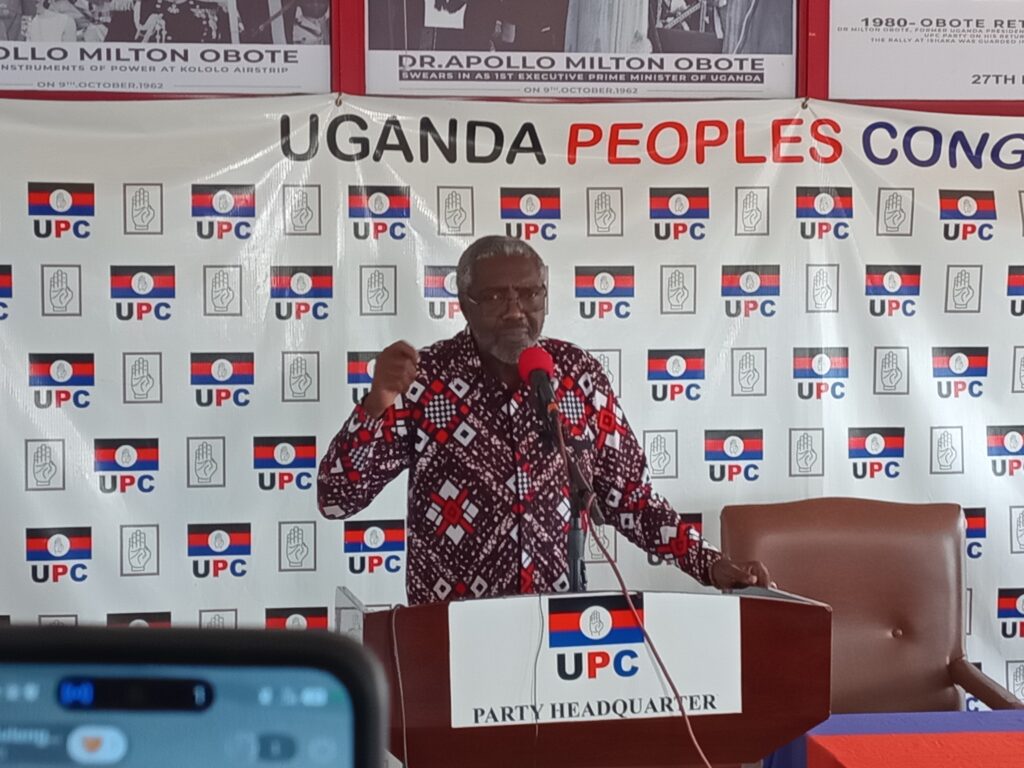
Akena said Kampala’s planning must take into account the needs of future generations and criticised proposals to turn public and green spaces into commercial developments.
He specifically opposed plans involving City Square and Constitution Square, describing such sites as important historical monuments that should be preserved.
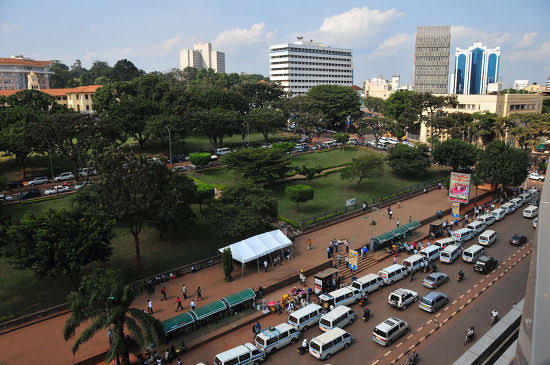
“It’s a historical monument, and you can’t change those historical monuments,” Akena said, arguing that commercial developments such as hotels could be constructed elsewhere without sacrificing important public spaces.
Akena warned that Kampala risks losing its green spaces as more land is allocated for buildings and other developments.
He said many schools in Kampala are already struggling to find adequate space for sports and other activities, and questioned what would happen if remaining open spaces were also developed.
“We need to plan that issue, but we also need to plan the green spaces for tomorrow’s generation,” he said.
Akena argued that urban development should strike a balance between investment and environmental and social needs.
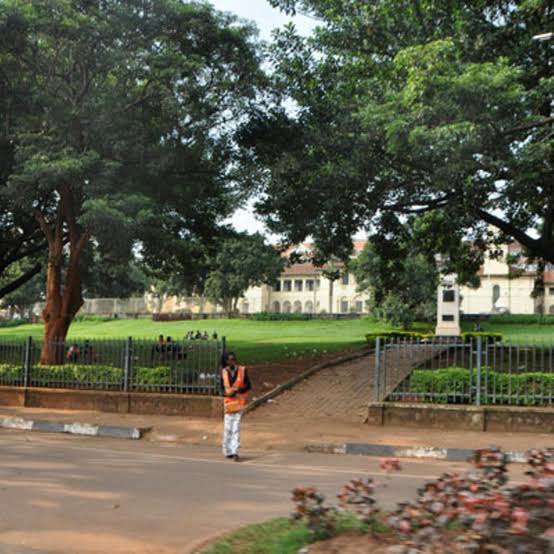
“We cannot just believe completely in concrete,” he said.
Akena also questioned what he described as the decline of institutions and buildings that once served clear public purposes.
He cited buildings and institutions constructed in the 1960s, including Apollo Hotel, People’s Bank and the Uganda Housing Construction Company, as examples of investments that were established to serve the public.
He said the Uganda Housing Construction Company previously developed housing estates for teachers and workers, addressing a need that remains a major challenge today.
Akena questioned the current status of some of these institutions and criticised what he described as the privatisation or weakening of public assets.
Akena also referred to controversies surrounding railway land in Kampala, questioning how public land previously under the control of the railway system was transferred or ended up in private hands.
He called for greater scrutiny of the management of public land and assets.
Akena also questioned the involvement of the presidency in facilitating individual investment proposals.
He recalled historical criticism of State House being used as a channel for business dealings and argued that investment proposals should instead go through established government institutions.
“If somebody has an investment and we have an investment centre, you go to an investment centre,” he said.
He pointed to the Uganda Development Corporation (UDC) as an example of a government institution through which public investments can be assessed and managed.
Akena said Uganda needs clear systems and institutions for handling investments rather than relying on individual intervention.
He called for Kampala’s development to be guided by proper planning, protection of historical sites and preservation of green spaces for current and future generations.