


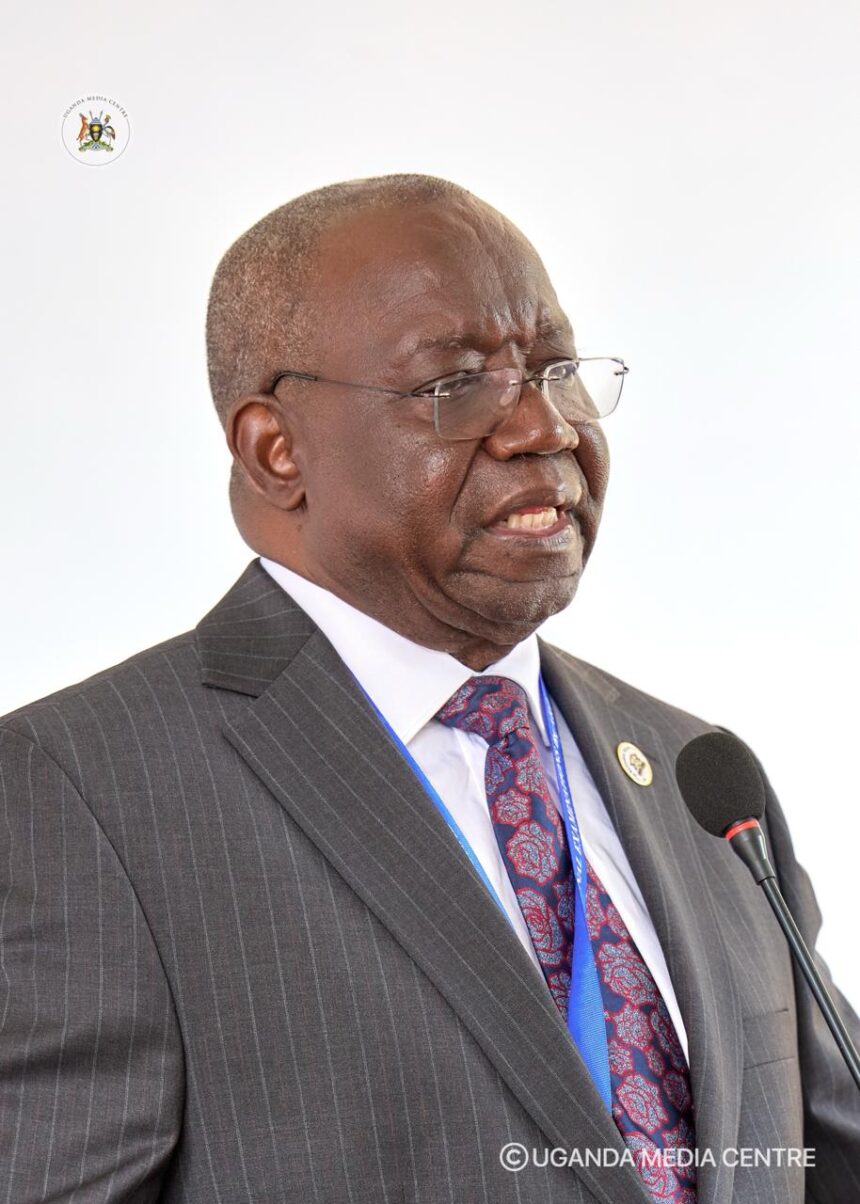
By Daniel Mugula
23 Sep 2026
The Uganda National Examinations Board (UNEB) has released the 2026 examination timetables for the Primary Leaving Examination (PLE), Uganda Certificate of Education (UCE) and Uganda Advanced Certificate of Education (UACE), with a total of 1,627,885 candidates registered for the three national examinations.
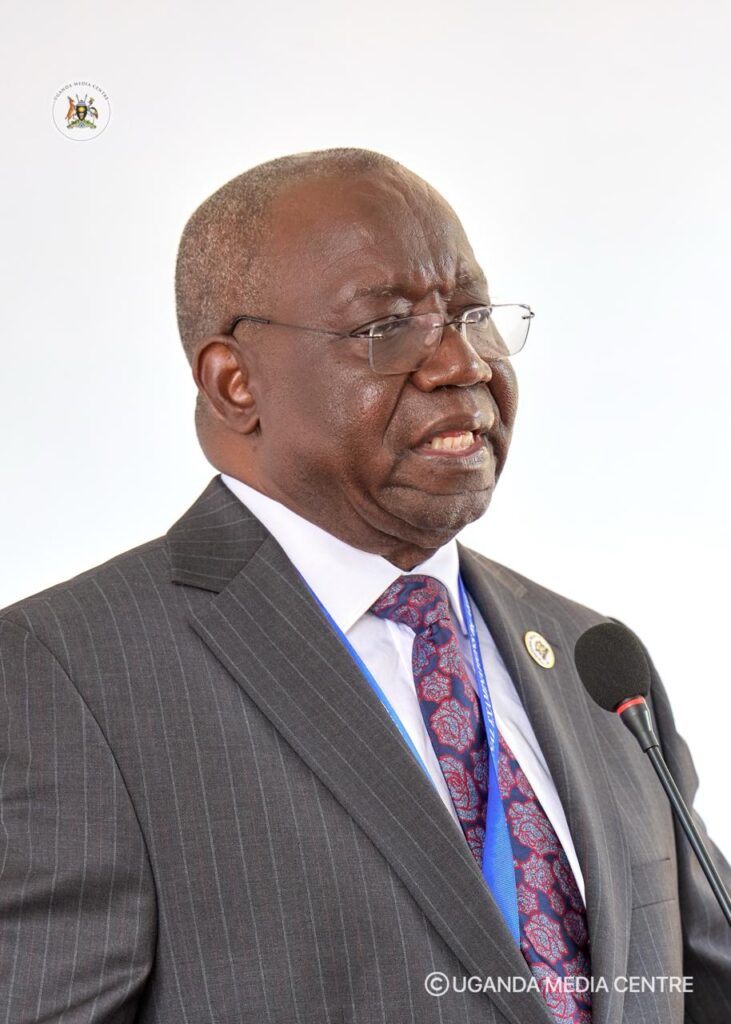
UNEB Executive Director Dan Nokrach Adongo
The figure represents an increase of 211,437 candidates, or 14.9 per cent, compared with the 1,416,448 candidates registered in 2025.
In speaking at Uganda Media Centre the UNEB Executive Director Dan Adongo, UACE recorded the biggest increase, with 203,875 candidates, up 22.5 per cent from 166,400 in 2025. UCE registered 503,214 candidates, an increase of 16.4 per cent, while PLE registered 920,796, up 12.4 per cent.
Overall, 846,871 candidates are female and 781,014 are male. Females constitute 52 per cent of the total candidature.

UCE candidates will be briefed on October 8, 2026, while PLE candidates will be briefed on October 30 and UACE candidates on November 6.
PLE examinations will be held on November 3 and 4, while UACE examinations will run from November 6 until December 5, 2026. UCE examinations will take place between October and November.

The timetables are available through school portals, with hard copies being distributed to schools. UNEB will also publish the timetables on its website and social media platforms. Braille versions have been prepared for candidates with visual impairments.
UNEB has also clarified that there has been no change to the UACE grading system.
The Board said UACE continues to use letter grades A, B, C, D, E and O, with A representing the highest level of performance. E remains the lowest grade at Principal level, while candidates who do not attain a Principal-level pass may obtain Subsidiary-level passes.
UNEB stressed that it does not assign numerical points to letter grades. Numerical values such as five points for an A or four for a B are conversions made by other institutions, particularly for selection purposes.
The Board therefore dismissed reports suggesting that the numerical value attached to UACE grades had changed.
Although the Competency-Based Curriculum has not yet been fully rolled out at UACE, UNEB said the current UACE curriculum has been aligned with the competency-based approach.
The changes include removing overlapping and obsolete content and reducing excessive content in some subjects.
Candidates will also encounter more scenario-based questions and tasks, similar to those already used under the competency-based approach at UCE.
UNEB said sample papers were distributed to schools to familiarise learners with the new assessment approach. Recent pre-tests conducted across the country, according to the Board, showed no indication that candidates were struggling to understand the new format.
A full Competency-Based Curriculum at UACE is expected to be rolled out by 2028.
UNEB also explained the reduction in the UACE subject load.
Previously, candidates could take up to four Principal-level subjects, although three were the minimum requirement. The Board said many learners began taking a fourth subject mainly to gain an additional point for university selection.
The Ministry of Education and Sports subsequently determined that three Principal-level subjects are sufficient for learners to pursue further education and training.
UNEB said the change is intended to reduce unnecessary academic pressure on candidates.
On reports of schools failing to register candidates, UNEB said its role is mainly to identify and report such cases.
The Board said it publishes lists of schools that have not registered candidates so that parents, government agencies and other stakeholders can take appropriate action.
UNEB said it does not have the authority to arrest or directly punish head teachers who fail to register candidates.
UNEB has reminded schools and candidates that the display of candidates’ registers is mandatory. The current display period will end on October 7, 2026.
Candidates have been advised to verify their names, dates of birth, gender, photographs and registered subjects before the examinations.
Any errors should immediately be reported to school authorities so that they can be communicated to UNEB for correction.
UNEB said the verification exercise is important because mistakes in registration details can remain on certificates if they are not corrected before examinations.
The theme for this year’s examinations is:
“Advancing Excellence in Assessment and Certification through Secure, Credible, Inclusive, and Innovative Processes.”
UNEB said the theme reflects its emphasis on examination security, credibility, inclusion of candidates with special educational needs and the use of innovative assessment methods.
The Board described the 2026 candidature figures as provisional, noting that they could change slightly if candidates who paid registration fees but were not successfully registered are identified and their cases resolved.