

By Mugula Dan
30 Sep 2026
KAMPALA, Uganda — The Ugandan government is considering expanding financial support for older persons, improving access to physiotherapy and occupational therapy, and establishing a health insurance scheme as the country faces a rapidly growing elderly population.
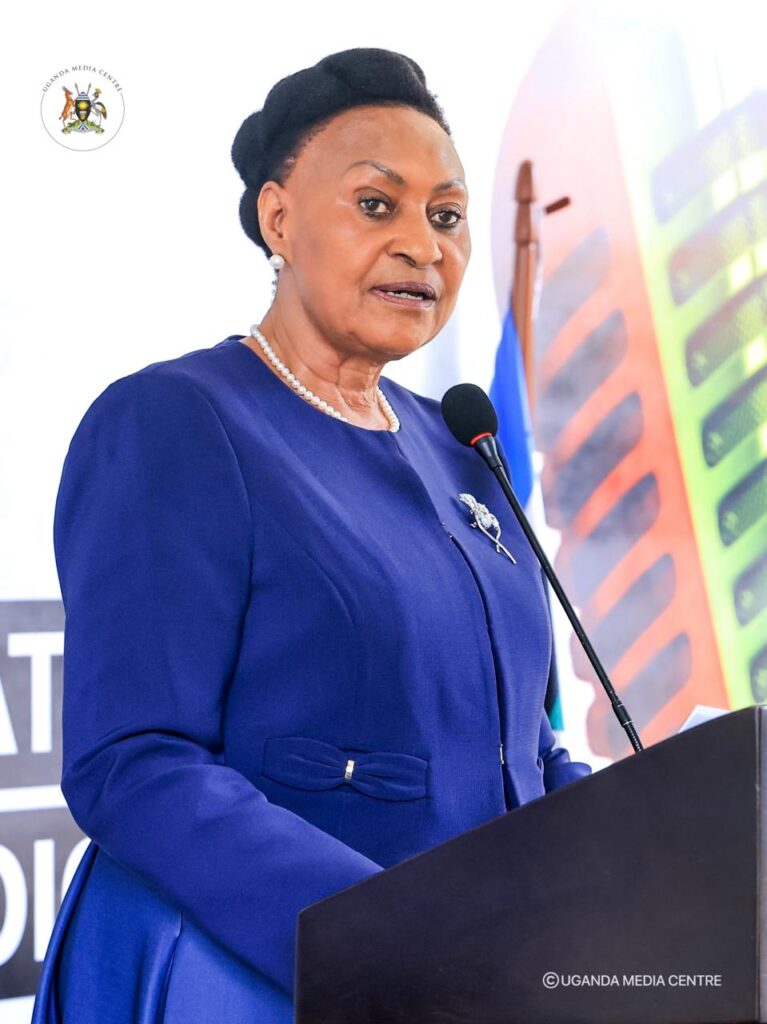
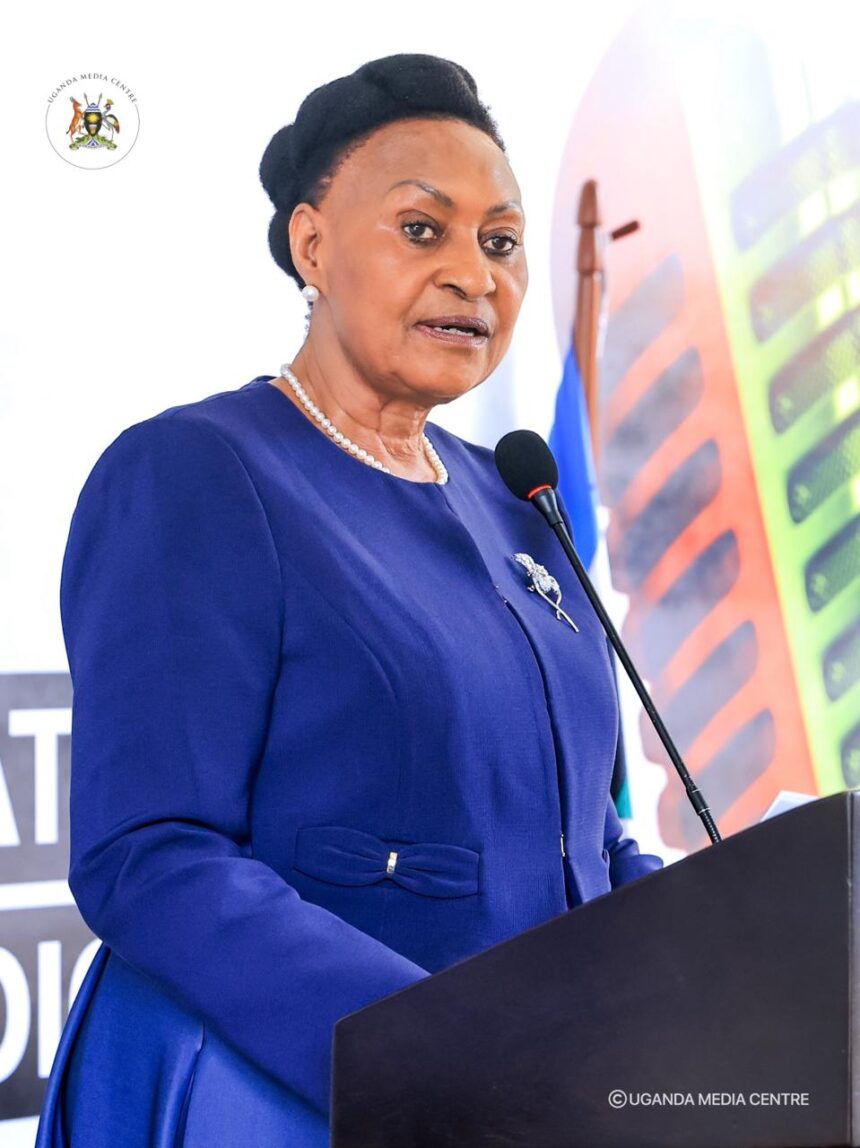
Minister Jacqueline Mbabazi
Uganda will on October 1, 2026, join the rest of the world to commemorate the International Day of Older Persons. The national commemoration will be held virtually at State House, Entebbe, and will be presided over by President Yoweri Kaguta Museveni.
Uganda has participated in the international commemoration of the International Day of Older Persons since 1999.
The government has been implementing programmes aimed at empowering older persons to improve their household incomes, while providing financial assistance to those who are unable to support themselves, particularly the very old and vulnerable.
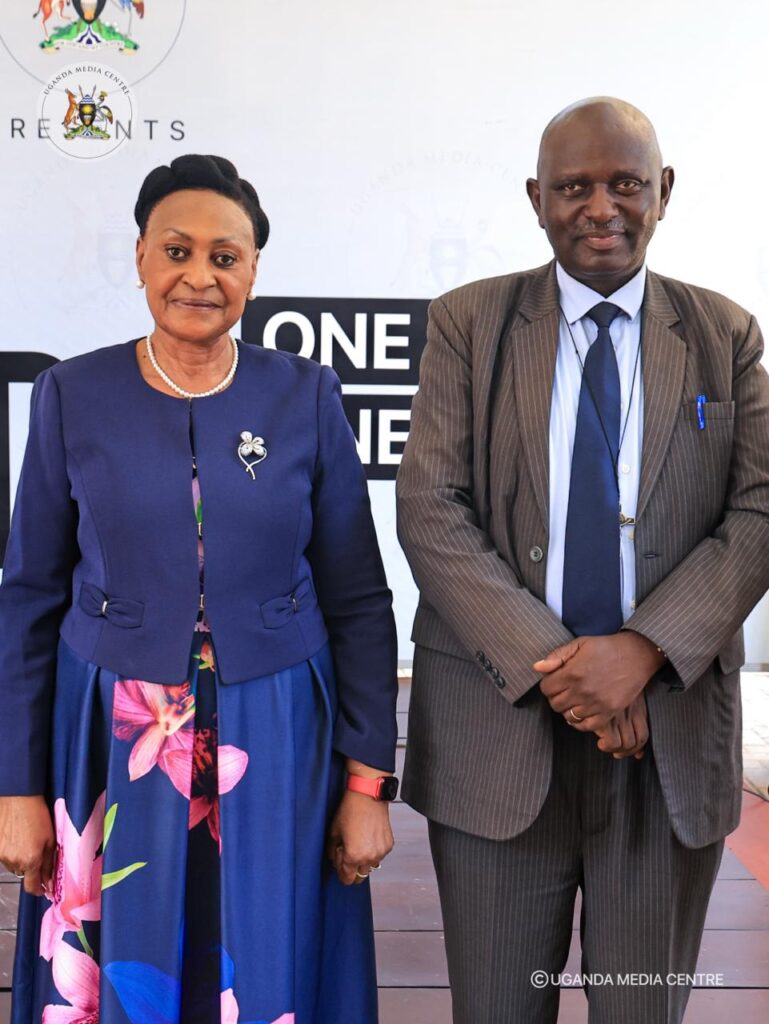
Speaking to journalists at the Uganda Media Centre, the State Minister for Elderly Affairs, Jacqueline Mbabazi, said government cannot meet all the needs of older persons on its own and is therefore working with development partners and civil society organisations.
“Government cannot do everything. However, we work with development partners. We work with civil society organisations, and these civil society organisations normally intervene,” Mbabazi said.
She said the ministry is currently engaging civil society organisations to address challenges affecting older persons, including access to appropriate sanitation facilities, assistive devices and sanitary items.
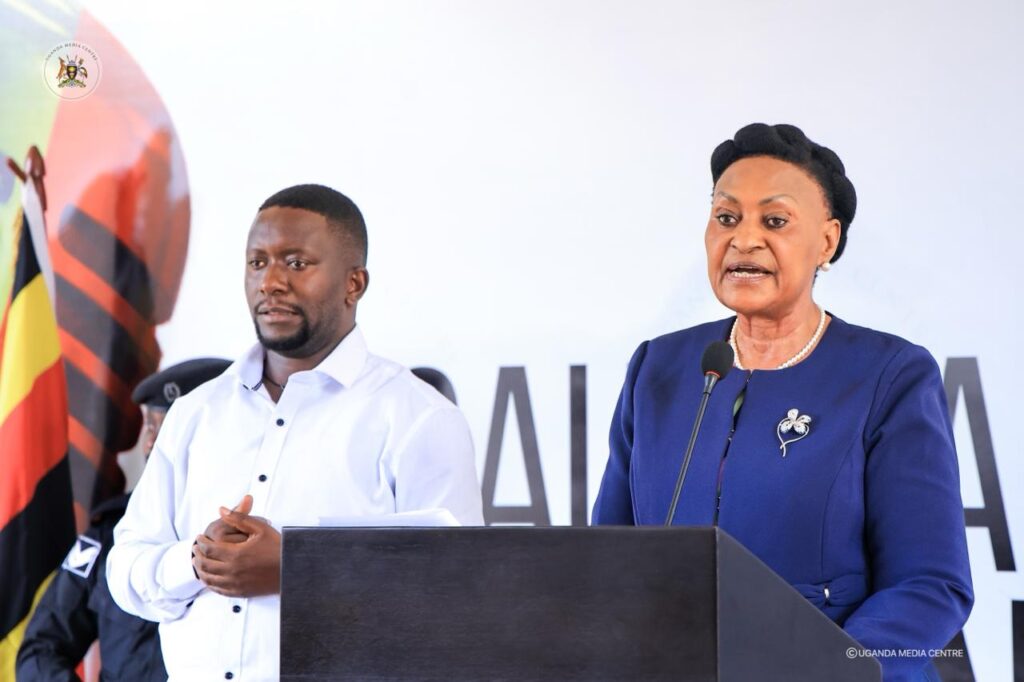
The ministry is also preparing for a benchmarking visit to Japan and China to learn from their experiences and explore possible partnerships in supporting older persons.
Mbabazi said discussions are underway with the embassies of the two countries to identify areas where they could support Uganda, particularly in providing assistive devices.
“We are talking with these embassies to see where they can actually assist us, especially in the area of those assistive devices,” she said.
She expressed hope that by January next year, the ministry would have information on the amount of assistance it could secure from development partners.
Mbabazi also said the government is working with the Ministry of Health to improve access to physiotherapy and occupational therapy for older persons.
She said discussions between the ministries responsible for gender and health are focused on how services can be brought closer to older persons at district and sub-county levels.
The Ministry of Health is currently refurbishing and equipping Health Centre IIIs, and the government plans to explore how physiotherapy and occupational therapy can be incorporated into services provided at these facilities.
“It may not reach everybody at the village level, but at least if we have it at the district, and then they can, from time to time, move to the sub-counties and through the parishes, we may have something working,” Mbabazi said.
The government is also considering reducing the qualifying age for beneficiaries of its older persons’ cash support programme from 80 to 65 years and increasing the payment from Shs25,000 to Shs35,000.
Mbabazi said Cabinet is already considering the proposal and has established a subcommittee to determine how the additional funds can be raised.
She said implementing the proposed changes would require approximately Shs252 billion.
“The willingness is there. The question is how to raise this money, because it’s 252 billion shillings. We may have to raise it in bits,” she said.
Mbabazi suggested that the government could initially reduce the qualifying age from 80 to 70 years and later progressively lower it to 65.
She said the Cabinet subcommittee is expected to make recommendations on how the funds can be raised, after which government will inform the public.
The government is also working on a proposed health insurance scheme specifically for older persons, Mbabazi said.
She noted that many older persons face high healthcare costs and that a significant portion of the financial assistance they receive is spent on medical treatment.
According to Mbabazi, at least 30 percent of the Shs25,000 paid to beneficiaries every three months is used for medical expenses.
“These older people first seek medical services, and they have been ailing while waiting for that little money to see a doctor or a medical practitioner,” she said.
Mbabazi said the government has been engaging insurance companies about providing special arrangements for older persons, noting that insurance providers generally face limitations when covering people above 75 years of age.
She said the proposed increase in the monthly support to Shs35,000 could provide an opportunity to allocate Shs5,000 towards an insurance scheme.
However, she acknowledged that funding remains a major challenge because government currently does not have sufficient resources to finance the proposed scheme.
“We are working on this medical insurance, and we shall succeed, I’m sure, within a few years to have a medical insurance scheme for older persons,” she said.
Mbabazi stressed that supporting older persons should not be viewed as the sole responsibility of government.
She said families and communities remain the first line of support, while government should provide coordination, professional services and financial assistance.
“What the government can do is coordination, availing some professionals in the hospitals and social gerontologists at the districts. And what the government can also do is raising funds to support older persons,” she said.
“The responsibility of supporting older persons starts with the family and the community, and then government comes in to support.”
The push for stronger support systems comes as Uganda’s older population continues to grow.
According to the 2024 Census, approximately 2.3 million Ugandans are aged 60 years and above, representing about five percent of the country’s population. The number was projected to reach approximately 2.6 million by mid-2026.
The continued growth in the number of older persons is expected to increase demand for healthcare, income support, assistive devices, social services and appropriate care systems.
As Uganda commemorates the International Day of Older Persons, government officials are calling for stronger cooperation between families, communities, government, civil society organisations and development partners to ensure that older persons receive adequate support and live with dignity.