

By Mugula Dan
1 October 2026
Kampala, Uganda — Uganda has attributed major gains in HIV treatment coverage and viral load suppression to the adoption of the test-and-treat policy, improved antiretroviral medicines, stronger service delivery and increased collaboration with development partners.
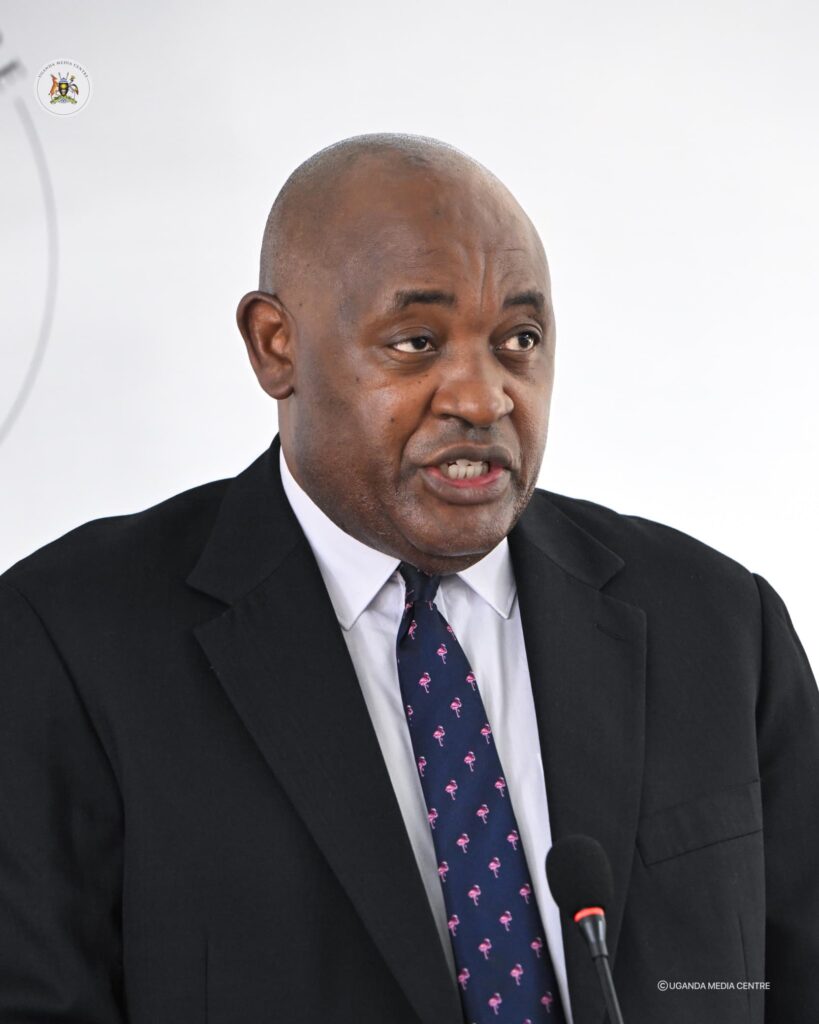
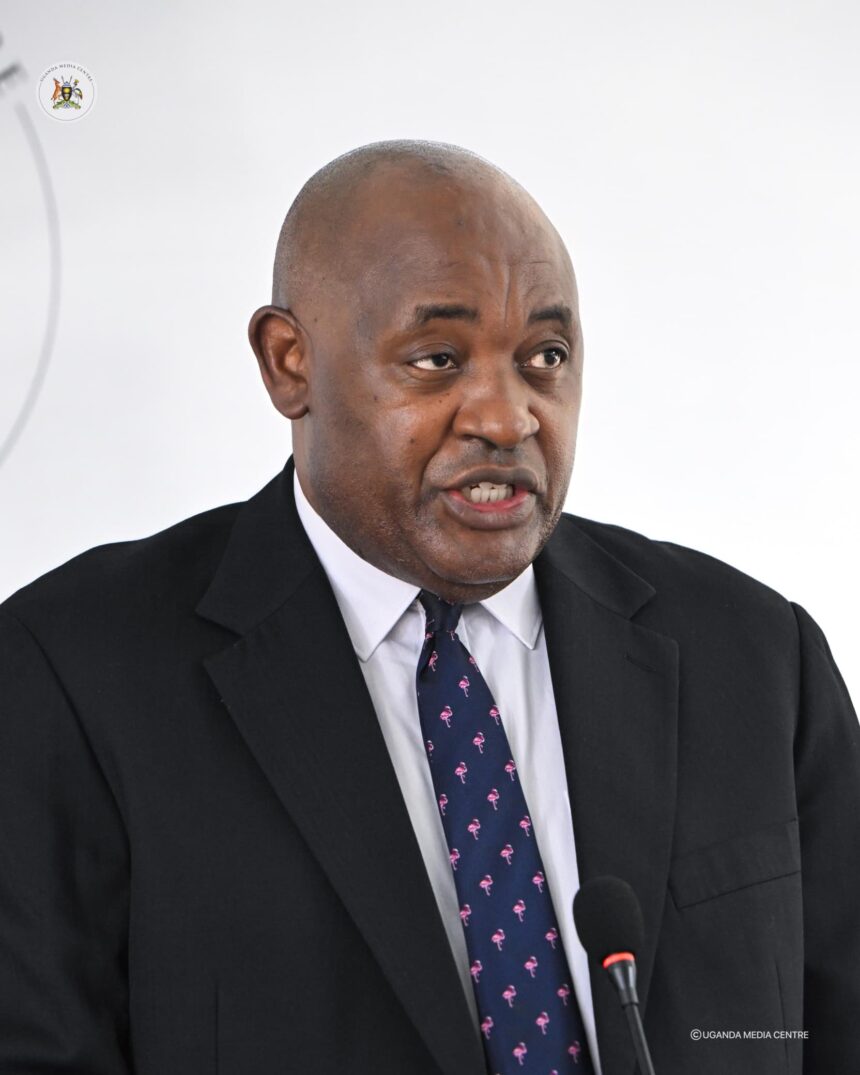
Speaking during the launch of the preliminary 2025 Uganda Population-Based HIV Impact Assessment (UPHIA 2025) findings, Health Minister Dr Chris Baryomunsi said the shift to immediate treatment for people who test positive for HIV has significantly expanded access to care.
Under the previous treatment approach, some people who tested positive were required to wait until they reached a particular clinical threshold before starting treatment. The current test-and-treat policy allows people diagnosed with HIV to begin antiretroviral therapy (ART) promptly.
“This shift to treating all those who test positive has helped in ensuring that we suppress the viral load, but also ensure that there is wider coverage,” Baryomunsi said.
He also attributed the progress to the adoption of more effective antiretroviral regimens, particularly those based on dolutegravir, as well as changes in service delivery aimed at reaching different population groups.
According to the preliminary UPHIA 2025 findings, 85.3% of adults aged 15 and above living with HIV know their status. Of those who know their status, 99.1% are on antiretroviral treatment, while 96.5% of those on treatment are virally suppressed.
At the population level, 86% of adults living with HIV were virally suppressed, up from 75.4% in the 2020 assessment.
Despite the progress, the findings show that Uganda still faces significant gaps in HIV diagnosis and among younger people.
Viral load suppression among women aged 15–24 living with HIV was 64.1%, while suppression among men in the same age group could not be reliably estimated because of the small number of cases.
Baryomunsi said the findings underline the need for targeted HIV prevention, testing and treatment programmes for young people.
The assessment also found that HIV prevalence among people aged 20–24 was nearly three times higher than among those aged 15–19 for both men and women. Overall HIV prevalence among adults aged 15 and above stood at 5.9%, with women at 7.3% and men at 4.1%.
The Minister cautioned against viewing HIV as a problem affecting young people alone, noting that the assessment also recorded a significant burden among older adults.
The survey found substantial regional differences in HIV prevalence, ranging from 1.3% in Karamoja to 8.0% in the Southwestern region.
Baryomunsi said the government will use further analysis in the final report to understand the factors behind the regional differences and identify populations and behaviours that may not be adequately reached by existing programmes.
The UPHIA 2025 survey was conducted between July and September 2025 among households across Uganda. It was led by the Government of Uganda through the Ministry of Health and partner institutions, with funding from the U.S. President’s Emergency Plan for AIDS Relief (PEPFAR) through the U.S. Centers for Disease Control and Prevention.
The final report is expected to provide additional information on HIV incidence, programme coverage and behavioural
Permanent Secretary in the Ministry of Health, Dr Diana Atwine, said the assessment provides important evidence on Uganda’s progress towards the global 95-95-95 HIV targets.
The targets call for 95% of people living with HIV to know their status, 95% of those who know their status to be on treatment, and 95% of those on treatment to achieve viral suppression.
While Uganda has exceeded the second and third targets, the country remains below the first target, with 85.3% of people living with HIV aware of their status.
Atwine said the government estimates that approximately 150,000 people living with HIV do not know their status, making HIV testing and case identification a major priority.
She said the findings will guide efforts to strengthen prevention and testing services and ensure that people diagnosed with HIV start treatment and remain adherent.
The United States reaffirmed its support for Uganda’s HIV response while highlighting increased Ugandan leadership and ownership of health programmes.
The U.S. representative said UPHIA 2025 was significant because the assessment was fully led and implemented by Ugandan institutions, with financial and technical support from the United States.
The assessment involved the Ministry of Health, Makerere University School of Public Health, Uganda Bureau of Statistics, Uganda Virus Research Institute and other Ugandan institutions.
Uganda and the United States are also implementing a five-year health cooperation Memorandum of Understanding intended to combine U.S. support with increased Ugandan investment and domestic resources.
The U.S. representative also highlighted the need to strengthen HIV prevention and address gaps affecting men and young adults.
The assessment included information on other health conditions. Preliminary findings presented at the briefing showed elevated blood pressure among 15.5% of adults, while elevated blood glucose was recorded in 0.9% of participants aged 15 and above and overweight or obesity in 24.8%.
The findings point to the need for greater integration of HIV services with broader chronic disease prevention and care.
Dr Atwine said the government will use the evidence from UPHIA 2025 to guide Uganda’s HIV response, strengthen health services and focus resources on populations and communities with the greatest gaps as the country works towards ending AIDS as a public health threat.