



Daniel Mugula
Fri, 2 October 2026
KAMPALA, Uganda — Teachers and education stakeholders have called for an end to corporal punishment in Ugandan schools, urging educators to adopt positive and non-violent methods of disciplining learners.

The call was made ahead of World Teachers’ Day on October 5, 2026, under the theme “Standing with teachers, 60 years of protecting the profession, advancing its status, and shaping our futures.”
Speaking to journalists at the Uganda National Teachers Union (UNATU) headquarters, General Secretary Filbert Baguma said teachers need greater awareness and practical support to help them discipline learners without violence.
Baguma said corporal punishment goes beyond the use of a cane and can include other abusive forms of treatment that harm children. He urged teachers to make use of the Ministry of Education and Sports’ handbook on alternatives to corporal punishment.
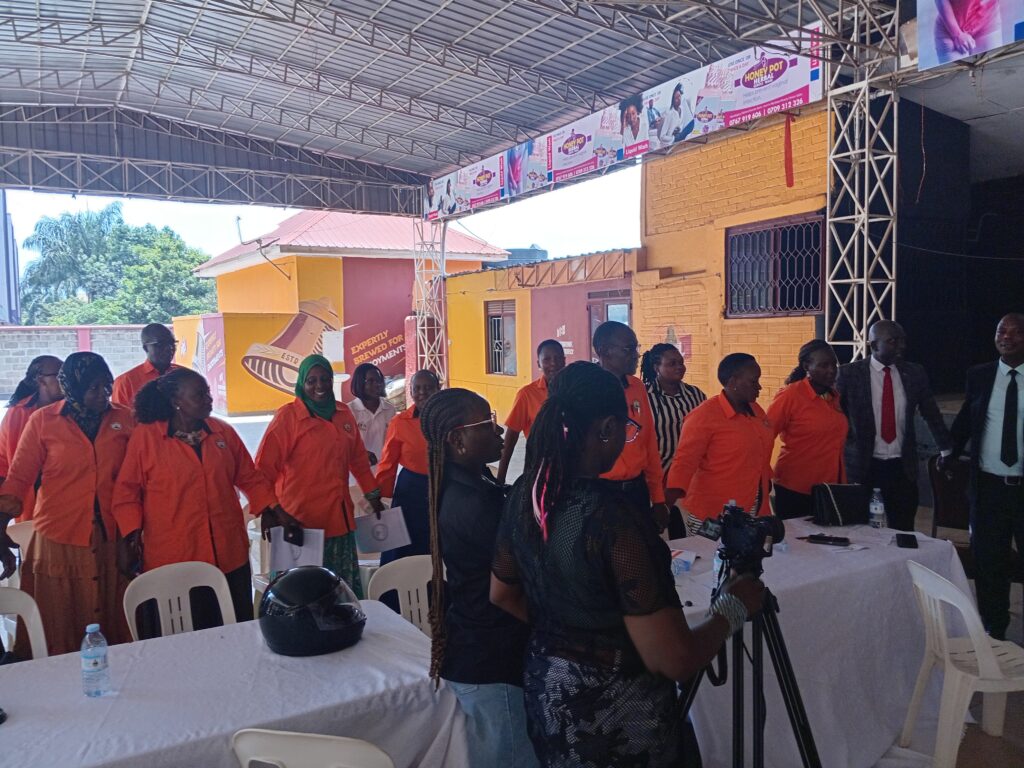
He noted that many teachers were themselves trained in an education system where corporal punishment was widely accepted, making it necessary to sensitise and equip them with alternative approaches.
“We need to move away from corporal punishment and go to positive disciplinary measures so that the children are not hurt.”
Baguma also criticised what he described as inadequate government funding for public schools, saying the problem contributes to financial pressures on head teachers and schools.
He said government funding under Universal Primary Education (UPE), Universal Secondary Education (USE) and other programmes remains insufficient to meet the needs of schools, particularly in areas such as infrastructure, learning materials and staffing.
He welcomed the government’s position against charging fees in UPE, USE and UPOLET schools but said the policy must be accompanied by increased investment in education.
Baguma said Uganda’s education allocation remains below the level recommended internationally and called for greater government investment to address shortages of teachers, classrooms, laboratories and libraries.
UCRNN Executive Director Damiano Wamara also called for stronger investment in teachers’ welfare, professional development and working conditions.
Wamara said teachers play a role that goes beyond delivering lessons. They are responsible for nurturing learners, building positive relationships, identifying their individual needs and creating safe environments where children can learn and develop.
He said teachers should be equipped with practical skills to manage behaviour without humiliation, fear or violence.
“The stick must leave the classroom,” Wamara said, stressing that positive discipline should become part of teacher training and professional development.
Wamara also raised concerns about high pupil-teacher ratios in some Ugandan schools, particularly in rural and hard-to-reach communities.
He said some schools face severe shortages of teachers and basic learning materials, while teachers in other areas work with very large classes.
According to Wamara, heavy workloads, inadequate or delayed remuneration, poor accommodation and limited teaching resources can affect teachers’ motivation and their ability to provide individual attention to learners.
He called on the Ministry of Education and Sports to strengthen continuous professional development so that teachers are trained not only in subject knowledge, but also in positive discipline, child protection and effective relationships with learners.
Education stakeholders also called on parents and school communities to work closely with teachers rather than leaving schools solely responsible for disciplining children.
Wamara said discipline and nurturing should be consistent between home and school, with parents actively participating in school activities and working with teachers and school leaders to establish positive values and standards.
He warned that normalising violence in childhood can contribute to the continuation of violence in families and communities.
The stakeholders urged government, teachers, parents and civil society organisations to work together to create safer schools where children can learn without fear, humiliation or physical punishment.
They also praised teachers who continue to teach, guide and nurture learners despite challenges including large classes, limited resources and difficult working conditions.