


By Daniel Mugula
3/11/2026
Uganda has registered significant progress in the fight against HIV/AIDS, with national HIV prevalence declining to 5.9 per cent from approximately 18 per cent in the early years of the epidemic. However, rising concerns over new infections among adolescents and young women, high HIV prevalence in some urban areas and declining donor support have renewed calls for stronger prevention efforts and sustainable domestic financing.
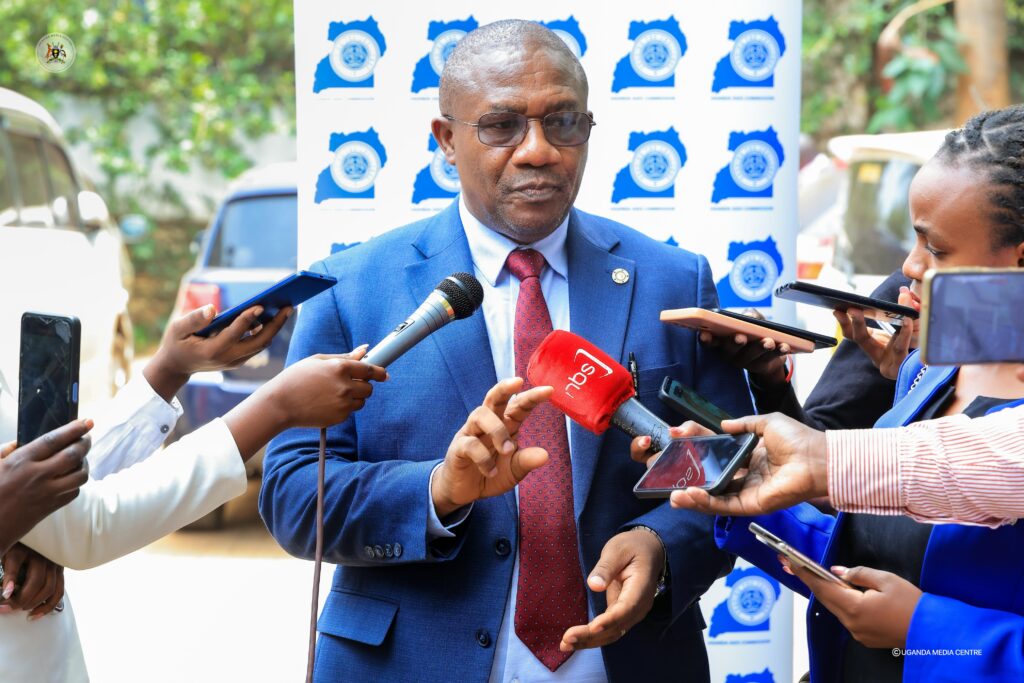
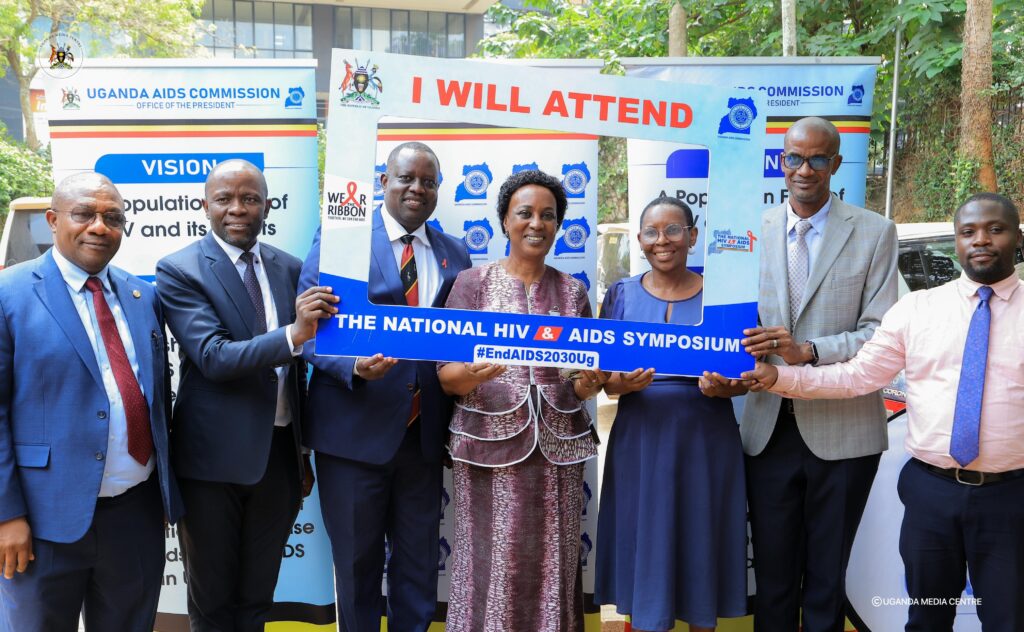
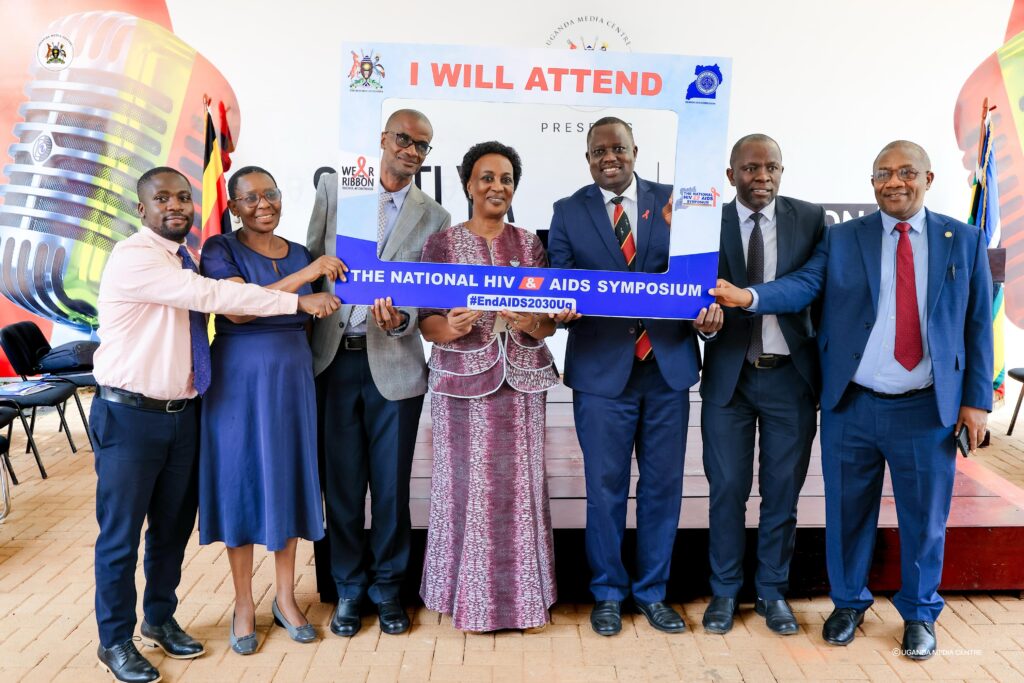
The concerns emerged during a press briefing at the Uganda Media Centre ahead of the 2026 National HIV and AIDS Symposium, organised by the Uganda AIDS Commission (UAC) in partnership with Mbarara University of Science and Technology (MUST). The symposium will take place from November 16 to 18, 2026, at MUST under the theme, “Sustainable Interventions to End AIDS as a Public Health Threat by 2030.”
Dr Vincent Bagambe, Senior Manager for Policy, Planning and Strategic Information at the Uganda AIDS Commission, said the country had made remarkable progress through its multisectoral approach to HIV prevention, treatment and care, which has attracted interest from other countries.
He attributed the progress to strong government leadership, particularly the leadership of President Yoweri Kaguta Museveni, alongside the contribution of communities, development partners, health workers and other stakeholders.
According to Bagambe, Uganda has achieved 85.3 per cent on the first 95 target, representing people living with HIV aged 15 years and above who know their HIV status. The country has achieved 99.1 per cent on the second 95, covering those diagnosed and receiving treatment, while 96.5 per cent of people on treatment have achieved viral suppression.
Despite the progress, Bagambe identified emerging urban HIV hotspots, with Fort Portal City recording a prevalence of 16.6 per cent, Soroti City 12.3 per cent and Lira City 11.5 per cent, figures considerably higher than the national average.
He also raised concern over the disproportionate burden of HIV among adolescent girls and young women, whose prevalence is almost four times that of their male counterparts.
Bagambe said Uganda recorded approximately 34,400 new HIV infections by December 2025, with young people aged 15 to 24 accounting for about 38 per cent, or approximately 13,000 infections. Of these, nearly 10,000 were among young women.
He said the figures demonstrate the need to strengthen targeted prevention interventions, particularly for adolescent girls and young women, while addressing the social and behavioural factors contributing to new infections.
Bagambe recalled that President Museveni launched the Presidential Fast Track Initiative in June 2017, establishing five strategic pillars to accelerate Uganda’s efforts to end AIDS as a public health threat by 2030.
The pillars include engaging men in HIV prevention, accelerating HIV testing and treatment, consolidating progress in eliminating mother-to-child transmission, ensuring financial sustainability of the national HIV response and strengthening institutional effectiveness through a well-coordinated multisectoral approach.
He said the forthcoming symposium would provide an opportunity to assess the country’s performance under these priorities and identify areas requiring renewed attention.
The three-day event will feature the Annual Joint AIDS Review, a financing dialogue, a scientific conference and a memorial lecture in honour of the late musician and HIV/AIDS activist Philly Bongole Lutaaya.
The Annual Joint AIDS Review will assess implementation of the National HIV Strategic Plan, focusing on achievements, challenges and recommendations across prevention, care, social support and health system strengthening.
The financing dialogue will bring together government ministries, departments and agencies, local governments, the private sector, development partners and other stakeholders to explore sustainable domestic funding mechanisms amid declining external support.
The scientific conference will provide a platform for researchers, students and programme implementers to present findings and share evidence that can guide HIV policies and interventions. More than 120 abstracts have already been received, according to the Uganda AIDS Commission.
The Philly Bongole Lutaaya Memorial Lecture will be delivered by Dr Maggie Kigozi and will celebrate the legacy of the late musician, who publicly disclosed his HIV status and used his influence to challenge stigma and encourage openness about the disease.
The symposium’s chief guest will be the Minister for the Presidency, Hon. Milly Babalanda, while the keynote address will be delivered by MUST Vice Chancellor Professor Pauline.
Dr Ruth Ssenyonyi, Chairperson of the Uganda AIDS Commission Board, said the symposium was an important national platform for reviewing progress towards HIV epidemic control, sharing research findings and discussing the transition from donor-dependent financing to a more sustainable, domestically funded response.
She said Uganda had made tremendous progress over the past four decades, transforming HIV/AIDS from a disease surrounded by myths, fear and stigma into a manageable health condition through improved testing, treatment and care.
However, Ssenyonyi warned that new infections, particularly among adolescent girls and young women, remain a major challenge.
She said the country must strengthen HIV prevention communication, promote behavioural change and ensure that young people receive accurate information and access to appropriate services.
Ssenyonyi also raised concern about HIV-related stigma, citing figures presented at the briefing indicating internalised stigma at approximately 70 per cent and external stigma at 56 per cent.
She said the symposium would provide an opportunity to examine why stigma remains high despite improvements in HIV treatment and public awareness.

On financing, Ssenyonyi said development partners had historically contributed approximately 80 per cent of funding for Uganda’s HIV response, making the mobilisation of domestic resources increasingly important amid changing donor support.
She also highlighted the importance of research into an HIV cure, saying the Uganda AIDS Commission was working to expand national discussions around emerging scientific developments while ensuring that communities, ethical considerations and human rights remain central to the process.
Dr Robert Mutumba, Programme Manager of the AIDS Control Programme at the Ministry of Health, said Uganda was strengthening its combination HIV prevention approach to reduce new infections and sustain the gains made in treatment.
He said the latest Uganda Population-based HIV Impact Assessment (UPHIA) puts HIV prevalence among adults aged 15 years and above at 5.9 per cent, with women disproportionately affected at 7.3 per cent compared to 4.1 per cent among men.
Mutumba said the country had made progress in reducing new infections and AIDS-related deaths, although continued transmission among adolescents and young people remains a concern.
He said the Ministry of Health was promoting abstinence, faithfulness, age-appropriate sexual and reproductive health education, life skills, HIV testing, condom use, voluntary medical male circumcision and prevention and treatment of other sexually transmitted infections.
He added that approximately 8.5 million HIV tests were conducted nationally during the financial year that ended on June 30, 2026.
The Ministry is also expanding targeted prevention programmes for adolescent girls and young women, female sex workers, fishing communities, prisoners and people who inject drugs.
Mutumba highlighted the introduction of new HIV prevention options, including pre-exposure prophylaxis (PrEP), post-exposure prophylaxis (PEP), long-acting injectable medicines and the vaginal ring.
He said Uganda had started rolling out lenacapavir, a long-acting HIV prevention medicine administered every six months, in 104 health facilities, with plans to expand access to more than 300 facilities by the end of 2026.
He emphasised that lenacapavir is not an HIV vaccine but a preventive medicine that provides protection against acquiring HIV for six months when used according to the recommended schedule.
He cautioned that the medicine does not protect against other sexually transmitted infections or unintended pregnancies, urging the public to continue using comprehensive prevention services.
Mutumba also explained that PEP is an emergency HIV prevention intervention that must be initiated within 72 hours following possible exposure to HIV.
He said more than 230,000 people accessed PrEP during the last financial year, compared to approximately 170,000 in the previous financial year, reflecting growing demand for HIV prevention services.
Flavia Kyomukama, Executive Director of the National Forum of People Living with HIV/AIDS Networks in Uganda (NAFOPHANU), said the symposium must go beyond celebrating national statistics and address the lived experiences of people living with HIV.
She raised concern over persistent stigma, funding cuts and disruptions affecting community-based organisations that play a critical role in mobilising people for testing, treatment and care.
Kyomukama said people living with HIV should be meaningfully involved in scientific research, particularly emerging discussions on an HIV cure, to ensure their rights, ethical considerations and interests are protected.
She also called for greater recognition of community networks, saying they continue to support treatment education, mobilise communities, identify service delivery gaps and provide feedback to improve the national response.
Jothan Mubangizi of UNAIDS emphasised the importance of investing in adolescents and young people, noting that Uganda has a youthful population, with approximately half of its population below 18 years.
He said keeping adolescent girls in school, improving their access to health services and creating supportive social and cultural environments were essential to reducing new HIV infections.
Mubangizi called on parents, cultural and religious leaders, government, development partners and the media to prioritise investments in young people, particularly adolescent girls and young women.
He warned that failure to address the challenges affecting young people could perpetuate cycles of vulnerability and dependence on lifelong HIV treatment.
Dr Elias Kumba, Dean of the Faculty of Health Sciences at MUST, said science and research would remain central to Uganda’s ambition of ending new HIV infections.
He said scientific advances had driven major improvements in understanding HIV, preventing mother-to-child transmission, developing treatment and introducing newer prevention medicines.
Kumba urged Ugandan researchers to strengthen studies focusing on emerging HIV hotspots, high-risk populations, changing transmission patterns and the development of more affordable and accessible prevention technologies.
He said universities and research institutions should work closely with government and development partners to develop home-grown solutions that can sustain the national HIV response.
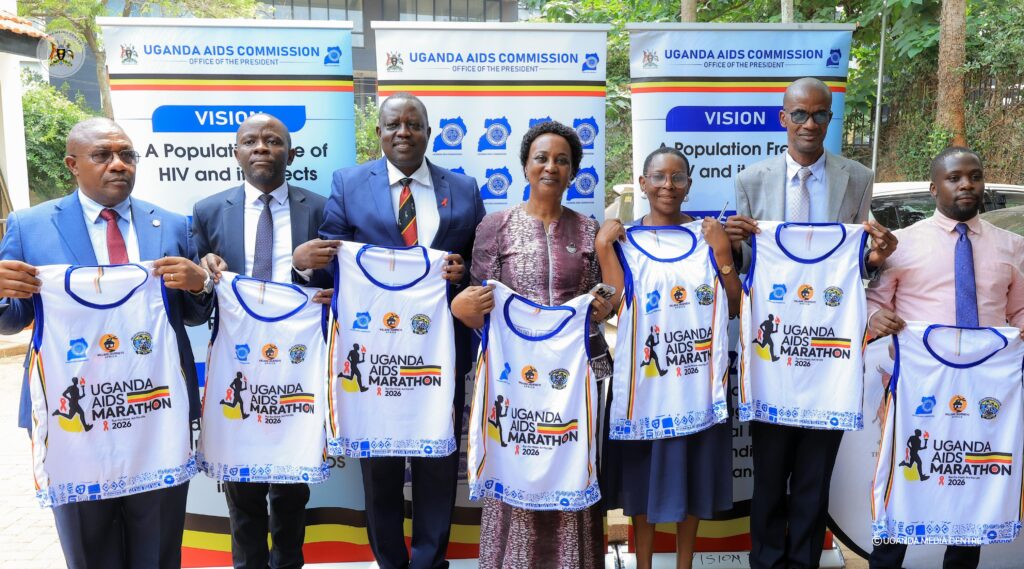
The symposium will also serve as a precursor to the 2026 World AIDS Day commemorations, with planned activities including HIV awareness campaigns and marathons across 11 cities. The activities will integrate HIV testing with screening for tuberculosis, cancer and other health conditions.
Uganda’s HIV response has evolved over four decades through government leadership, community mobilisation, scientific research, treatment expansion and international partnerships. As the country moves towards the 2030 target, stakeholders say the next phase must prioritise preventing new infections, addressing inequalities affecting young women, eliminating stigma and securing sustainable financing to ensure that the gains already achieved are not reversed