

Daniel Mugula
November 4,2026
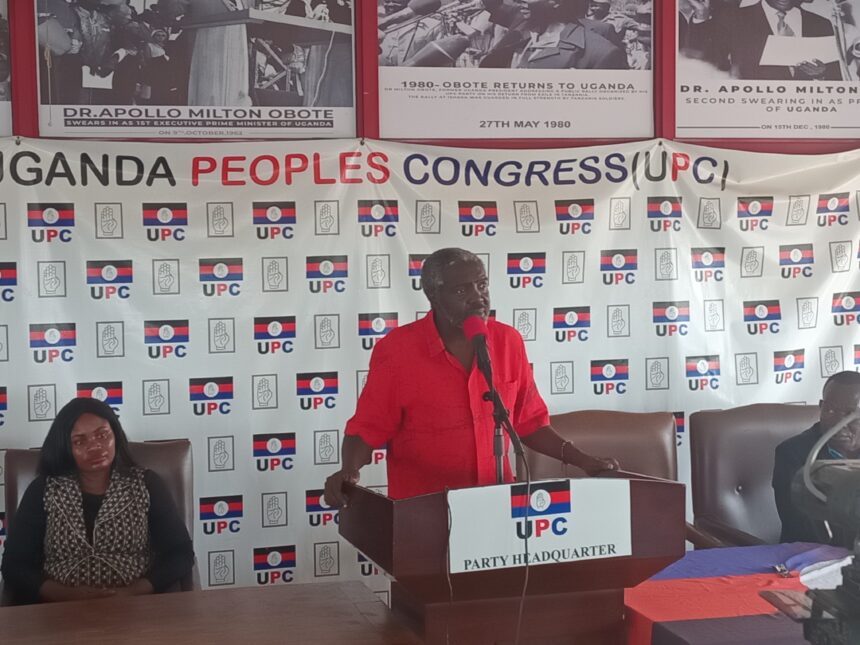
KAMPALA, – Uganda People’s Congress (UPC) president Jimmy Akena has rejected calls for political dialogue that he says are not supported by genuine commitment to democratic principles, arguing that the country cannot ignore alleged electoral irregularities, political intimidation and the deteriorating welfare of Ugandan children in the name of pursuing political negotiations.
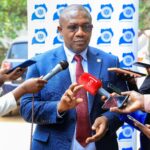
Speaking to journalists at the UPC headquarters in Kampala on Wednesday, Akena said he remained committed to dialogue but insisted that meaningful engagement must be based on honesty, respect for the law, equality among political parties and a genuine willingness to address the country’s political and social challenges.
He described the recent general elections as neither free nor credible, arguing that political leaders should not be expected to accept what he called an electoral process that failed to reflect the will of the people.
“This is a republic. A republic entails that the presidency is subject to the will of the people. I am part of those people, and for me, I don’t accept what is being put on the table,” Akena said.
He questioned the purpose of political dialogue when opposition parties and their leaders allegedly face restrictions on organising, intimidation, arrests and unequal treatment.
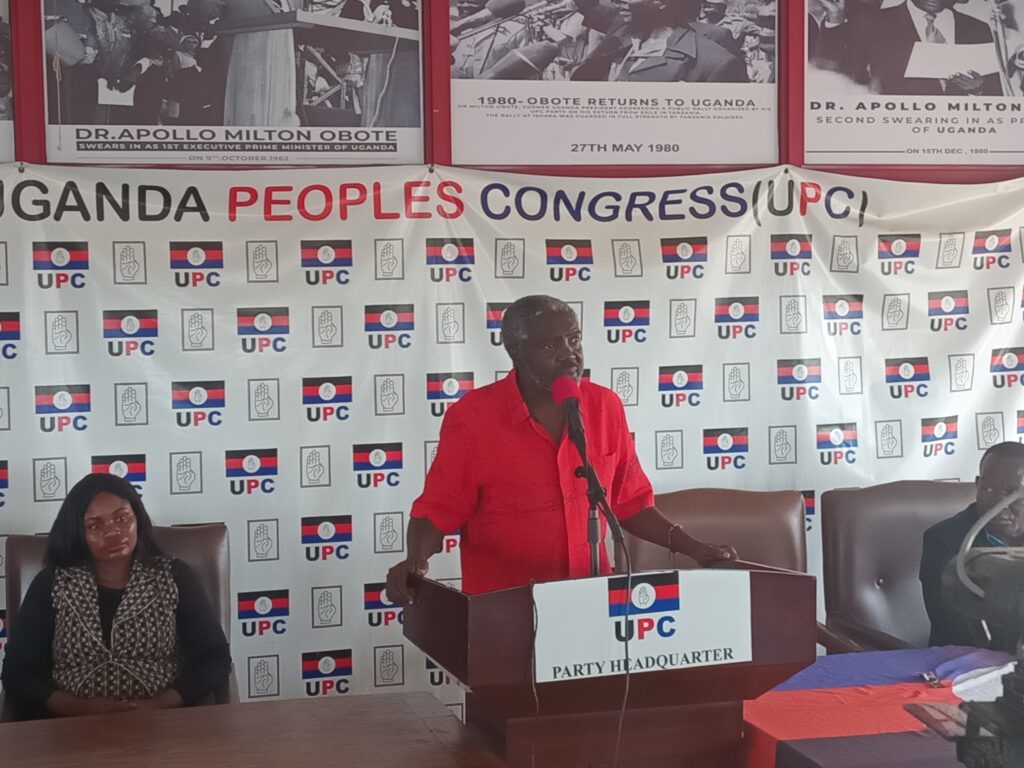
Akena also defended his continued involvement in Ugandan politics, dismissing suggestions that he should remain silent or seek refuge outside the country because of the political environment.
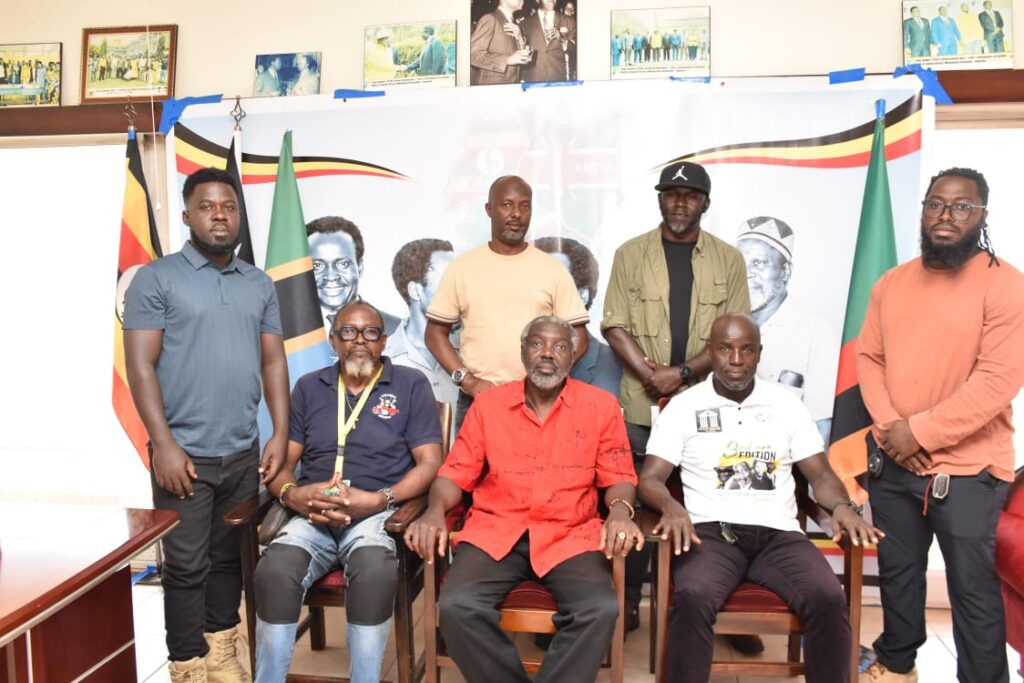
He said although he had previously received warm welcomes in Zambia and Tanzania, Uganda remained his home and the country where he had spent approximately 20 years participating in parliamentary and national politics.
“This is my country. I have no other country. This is the country which God blessed me to be born in. This is the country where I have done my politics for 20 years,” he said.
The UPC leader further disclosed that he considered his personal safety to be under threat, adding that the concerns extended to other political leaders and people close to them. However, he insisted that such threats would not discourage him from speaking out on matters affecting Ugandans.
Akena said the political debate in Uganda had increasingly shifted away from issues affecting ordinary citizens, particularly the welfare of children, education and malnutrition.
He raised concern over figures indicating that approximately one-quarter of Ugandan children below the age of five suffer from malnutrition, arguing that the country should prioritise improving children’s health and ensuring they have opportunities to complete their education.
He also cited figures suggesting that more than half of children who enrol in primary school fail to reach Primary Leaving Examination (PLE) level, describing the situation as a major challenge to Uganda’s future development.
“How do we talk about the future of Uganda when we cannot talk about the future of those who should be taking Uganda forward?” he asked.
Akena argued that political leaders should be able to discuss the country’s social and economic challenges without being forced to concentrate exclusively on individuals seeking the presidency.
He also criticised what he described as unconstitutional political activities involving military personnel, referring to Article 208 of the Constitution of Uganda. He argued that constitutional provisions governing the military must be respected and that political ambitions should not undermine the country’s legal framework.
Without ruling out dialogue with the ruling National Resistance Movement (NRM), Akena said he was willing to meet President Yoweri Museveni, whom he referred to as a potential dialogue partner, provided the discussions were conducted in good faith.
He recalled previous engagements with Museveni that resulted in agreements on increasing funding for political parties across the board. However, he accused some individuals within the ruling establishment of subsequently undermining those arrangements and treating opposition parties unfairly.
Akena specifically raised concerns over the implementation of Section 14B of the Political Parties and Organisations Act, which he said provides a legal basis for addressing political party funding.
He argued that dialogue should follow established structures under the Inter-Party Organisation for Dialogue (IPOD), beginning with the IPOD Council and progressing to the Summit.
According to Akena, the NRM failed to convene an IPOD Summit for several years when it held the chairmanship, while he credited his leadership with securing an earlier summit and progress towards addressing disagreements over political party funding.
He rejected suggestions that his criticism of the government amounted to opposition to dialogue, maintaining that negotiations could only succeed where all parties were treated fairly.
“Does this stop me from being into dialogue? I am happy for dialogue. But the dialogue has to be honest,” he said.
The UPC president also defended his party’s continued participation in Parliament, saying he expected its Members of Parliament to remain active in raising policy questions and proposing alternatives on matters affecting citizens.
He said UPC would continue organising itself and strengthening its internal structures despite the challenges facing opposition political parties.
Akena further warned against attempts to change opposition leadership or UPC leadership as a way of weakening political resistance, insisting that political parties must be allowed to manage their internal affairs through established democratic processes.
He maintained that Uganda’s political future should not be held hostage by individuals seeking power, arguing that presidential ambitions must be supported by clear policies, practical alternatives and respect for constitutional procedures.
On regional integration, Akena called for practical measures to improve the movement of people and goods across East Africa, saying that unnecessary delays at border crossings were undermining trade and regional cooperation.
He argued that although East African countries frequently speak about integration, the implementation of policies to facilitate cross-border movement remains inadequate.
Akena cited his experience travelling in Europe, where he observed relatively seamless movement between countries, and challenged East African governments to improve border procedures and transport infrastructure.
He also pointed to Zambia’s road infrastructure, particularly a dual-carriageway project extending more than 240 kilometres, saying Uganda and its regional partners should invest in comparable infrastructure to strengthen trade links.
He said Uganda should not depend exclusively on the Port of Mombasa for access to international markets but should also explore opportunities to trade with Zambia and other countries beyond the East African region.
Akena further supported the promotion of Kiswahili as a common language of regional trade and communication, arguing that Uganda should make a serious effort to expand its use.
However, he cautioned that regional integration would remain incomplete if governments failed to prepare young people through improved education.
He questioned how Uganda could effectively participate in a wider East African community when many children were unable to complete primary education.
The UPC leader concluded that Uganda needed more than political statements and diplomatic commitments, calling for practical action to improve education, protect children, strengthen democratic institutions, ensure fair political competition and facilitate regional trade.
He insisted that his continued political engagement was driven by the need to defend Uganda’s democratic future and secure better opportunities for the next generation.
“The children of Uganda deserve a future, and that future cannot be held hostage because somebody wants to be president,” Akena said.