


Daniel Mugula
Nov 5, 2026
The Uganda National Entrepreneurs and Traders Association (NETA Uganda) has given the Executive Director of the Uganda Electricity Distribution Company Limited (UEDCL) a 30-day ultimatum to resign, accusing the electricity distributor’s leadership of failing to address persistent power interruptions and voltage fluctuations that have reportedly caused losses to businesses across the country.
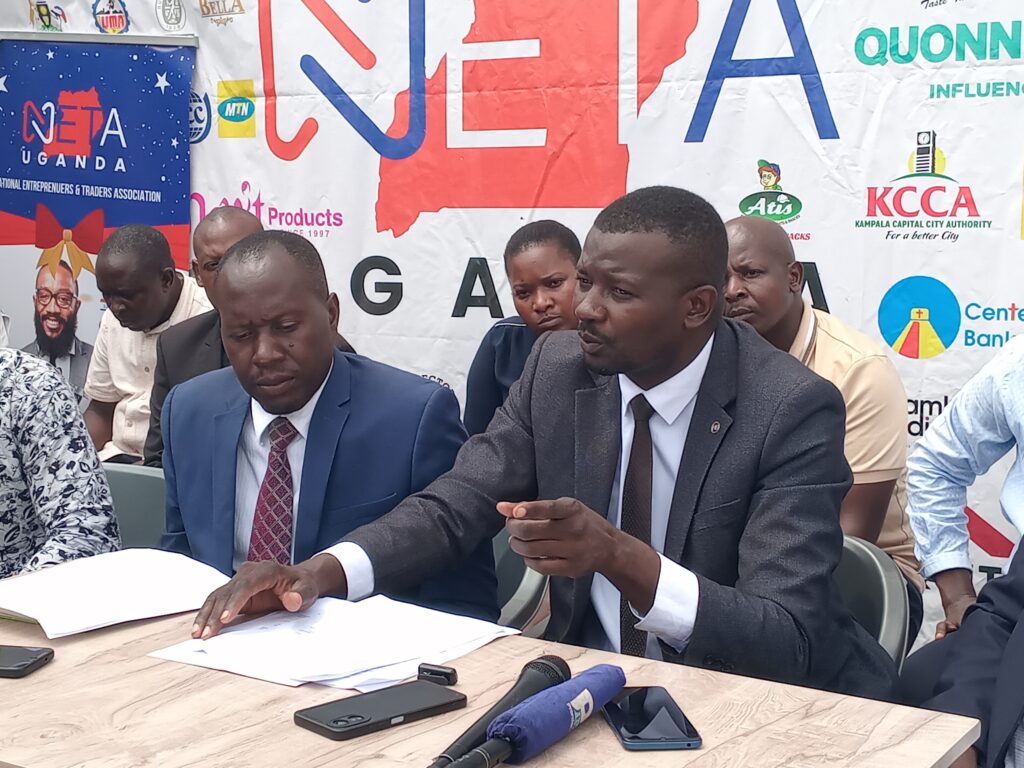
NETA Uganda President, Dr Thadeous Musoke Nagenda, said the association would petition the Inspectorate of Government (IGG) to investigate the leadership of UEDCL if the executive director does not resign within the one-month period. The association is also demanding a comprehensive audit of the electricity distributor’s operations.
Speaking to journalists in Kampala on Thursday, Dr Musoke said the association had initially considered a shorter ultimatum of one week, as proposed by its board, but eventually settled on 30 days following consultations within the association.
He said NETA Uganda was dissatisfied with what it described as the continued disruption of business operations and damage to property caused by unreliable electricity supply.
“We want the Executive Director of UEDCL to resign. Our concern is not about individuals but the need for a reliable and stable electricity supply. We have given her one month, and if she fails to resign, we shall petition the IGG,” Dr Musoke said.

He questioned why the authorities had not taken similar swift action to address concerns surrounding UEDCL’s leadership, adding that the association wanted a full audit and appropriate accountability measures.
Dr Musoke urged Ugandans and business owners who have suffered losses allegedly linked to electricity irregularities to submit evidence and complaints through the association’s communication channels and offices.
He said NETA Uganda was considering further legal and public action, including petitioning the courts and potentially organising demonstrations if the concerns were not addressed.
The association’s lawyer, David Kintu, said electricity supply challenges had affected not only businesses but also essential services and people’s livelihoods.
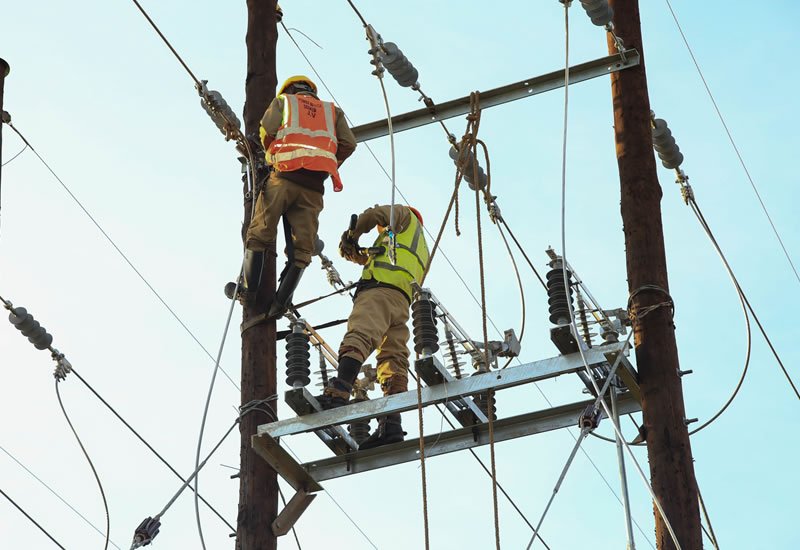
Kintu cited reported incidents involving schools, hospitals and hotels, saying that power fluctuations and unexpected interruptions had raised serious concerns about property protection, business continuity and public safety.
He said NETA Uganda intended to petition the IGG to investigate the leadership of both UEDCL and the Electricity Regulatory Authority (ERA), including concerns about possible administrative failures and alleged interference in the electricity distribution sector.
Kintu also raised questions about possible individuals or groups seeking to influence the management of electricity distribution arrangements, calling for an independent investigation to establish whether there were irregularities.
He said the association was prepared to petition the President if necessary and pursue legal action against UEDCL and the Attorney General over the concerns raised.
Kintu further appealed to business owners, schools, hotels and other affected Ugandans to submit evidence of property damage and financial losses to support what he described as a representative legal action.
He said NETA Uganda’s offices at Jinja Chambers were open to receive complaints and supporting documents, while additional arrangements would be established to facilitate the collection of evidence from affected members of the public.

The demands follow growing concerns among businesses over electricity reliability, which NETA Uganda says has increased operating costs, disrupted production and threatened investments.
In its media statement, the association identified frequent power interruptions, voltage fluctuations, high electricity costs and limited mechanisms for addressing business losses as major challenges affecting entrepreneurs and traders.
NETA Uganda is calling for stronger electricity infrastructure in commercial centres, markets and industrial areas, advance notification of planned power interruptions and timely communication during unexpected outages.
The association is also demanding an accessible complaints mechanism through which businesses can report electricity-related damage, have claims investigated and receive appropriate compensation where responsibility is established.
Beyond the electricity sector, NETA Uganda has outlined ten priority demands aimed at improving Uganda’s business environment. These include affordable financing for small businesses, fair taxation, exchange-rate stability, reduced operating costs, support for local manufacturers, improved regional trade facilitation and simplified business licensing procedures.
The association has also called for stronger protection against counterfeit and substandard products, expanded vocational training and entrepreneurship programmes, and structured consultations between Government and recognised business associations.
NETA Uganda maintains that Uganda’s economic growth must translate into better conditions for ordinary citizens, entrepreneurs and traders through reliable infrastructure, affordable financing, fair regulation and wider market opportunities.
The association says it wants Government and relevant institutions to take practical and measurable action to protect business investments, strengthen local production, create employment and support sustainable economic development.
UEDCL and ERA had not provided their responses to the allegations and demands at the time of publication. The allegations remain NETA Uganda’s position and require investigation and responses from the institutions concerned.