

Daniel Mugula
Tue 10,Nov 2026
The government has warned boat owners across Uganda that unregistered vessels will be barred from operating once the ongoing voluntary registration exercise expires, as authorities move to strengthen safety, improve accountability and address rising concerns over accidents and loss of lives on the country’s waters.
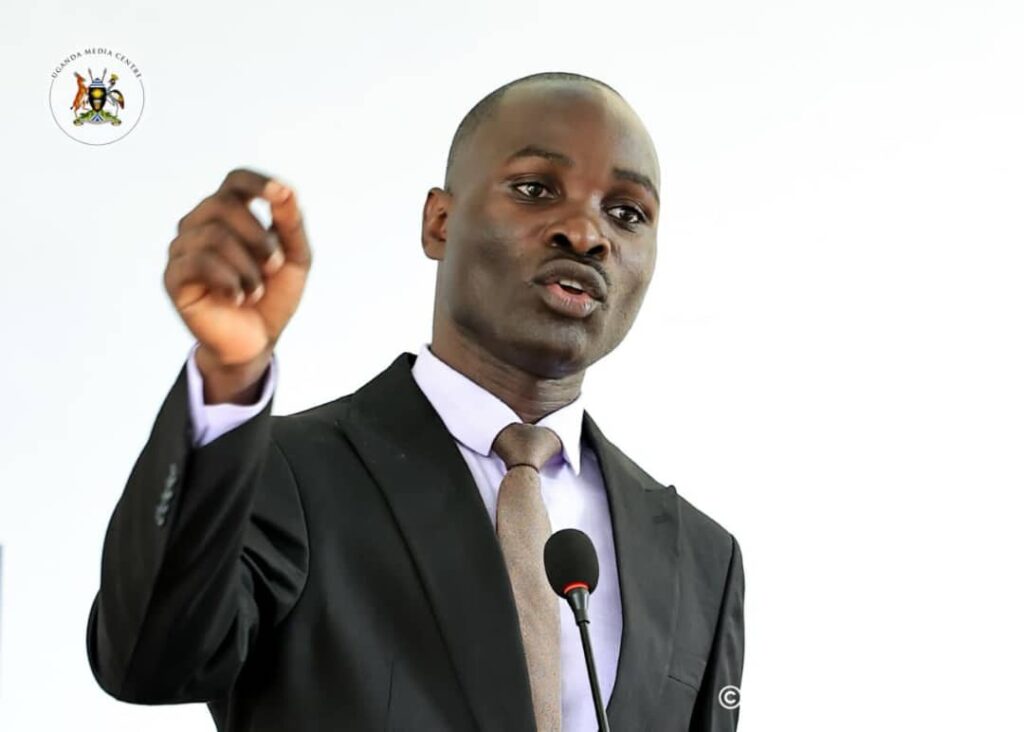
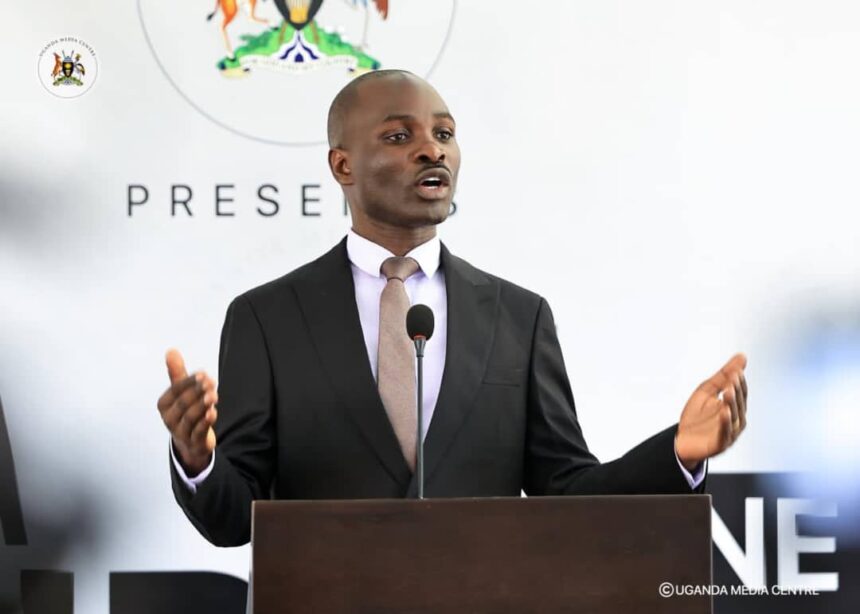
Minister of State for Transport Fred Byamukama said the government would begin enforcing mandatory boat registration after the remaining six months of the voluntary registration period, which was introduced to give boat owners sufficient time to register their vessels without facing harassment.
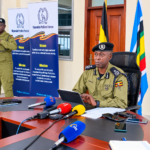
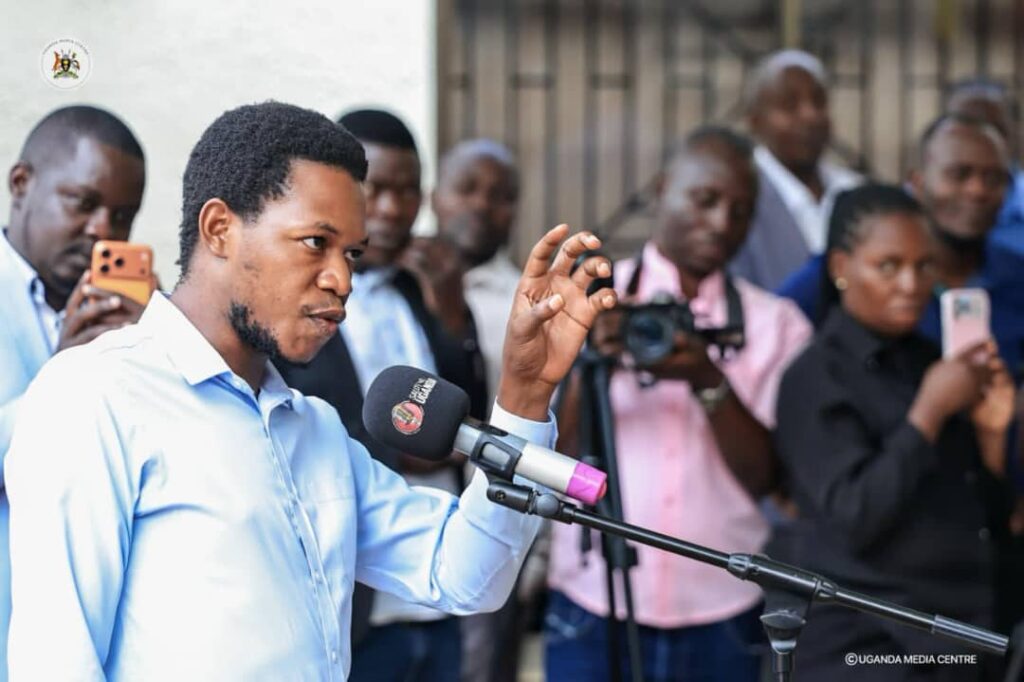
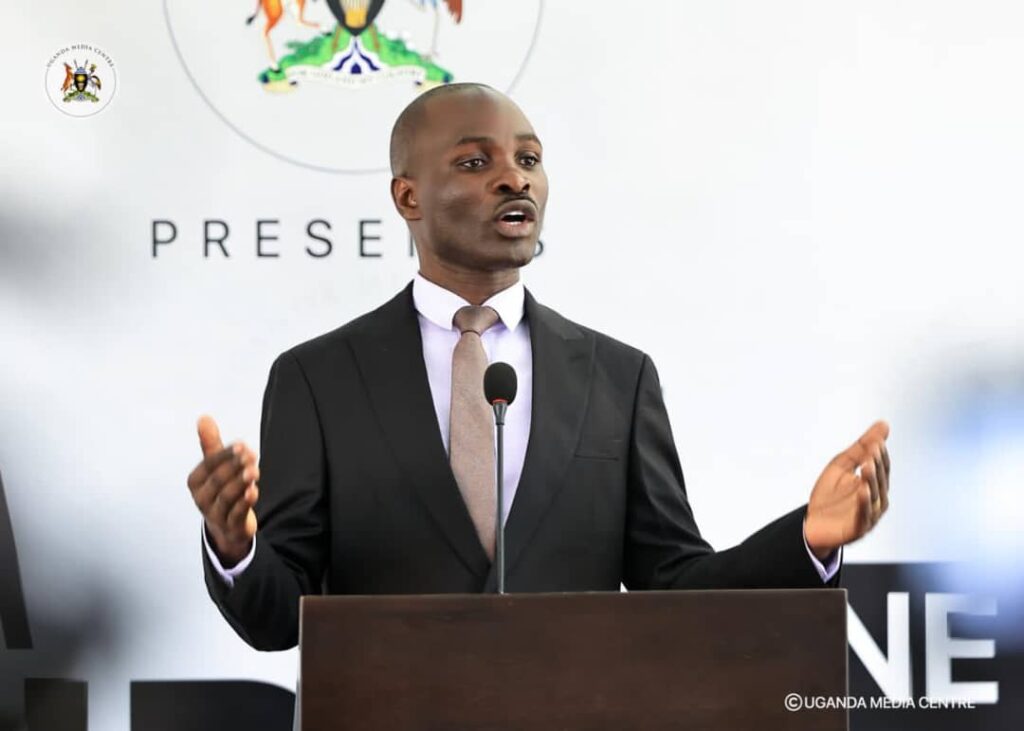
Speaking to journalists at the Uganda Media Centre, Byamukama said the registration exercise had recorded encouraging compliance, with boat owners being given one and a half years to voluntarily enter their vessels into the Ministry of Works and Transport’s digital registration system.
He warned that after the grace period, the government would take firm action against those who fail to comply, adding that unregistered boats would not be allowed to operate, just as vehicles without registration number plates are prohibited from using public roads.
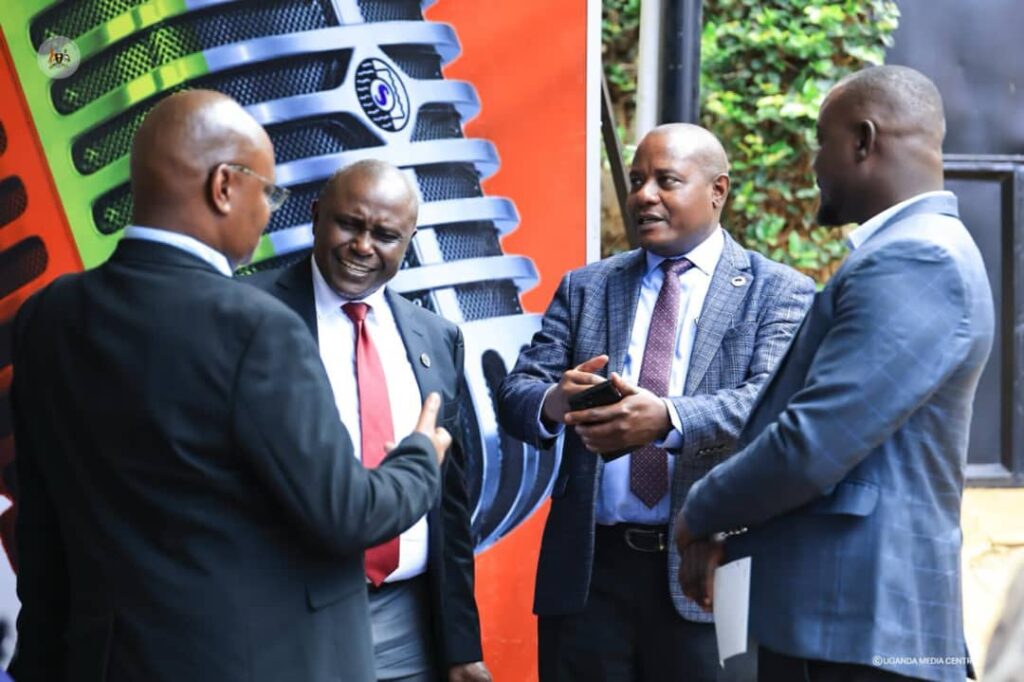
“We made it voluntary because this was a new idea, and there was no need to harass people when they were complying. But when the voluntary period ends, we shall come in forcefully to enforce compliance,” Byamukama said.
He added that the ministry would provide updated registration figures after reviewing the digital system.
The minister said the registration programme is part of wider government efforts to improve maritime administration and safety, particularly on Lake Victoria and other water bodies where accidents, inadequate safety measures and limited emergency response services remain major concerns.
Byamukama revealed that the government had established five search and rescue centres across the country, with the main coordination centre located in Entebbe. Other centres include Masese, Panyamurondi, Kalangala and Zengebe.
He said the centres are equipped with rescue boats and communication facilities to help respond to emergencies, especially in areas where mobile network coverage is limited.
According to the minister, boat operators experiencing mechanical failures, accidents or other emergencies on the water can contact the free emergency communication service coordinated from Entebbe, enabling rescue teams to locate and assist them.
He said the government also plans to expand search and rescue services to other water bodies to improve passenger safety and facilitate the transportation of cargo.
The minister further disclosed that the government was investigating reports of theft of boat engines targeting fishermen, following concerns raised by journalists.
He said he would engage the Uganda Police Marine Unit and the UPDF Marine Unit to establish how the engines are stolen and identify appropriate measures to address the problem.
Byamukama also urged boat operators to observe safety regulations, including wearing life jackets and avoiding night operations, noting that poor visibility makes it difficult for marine security personnel and rescue teams to locate vessels in distress.
He said the government had established a maritime survival training centre in Entebbe to equip local boat operators with essential safety knowledge and practical skills.
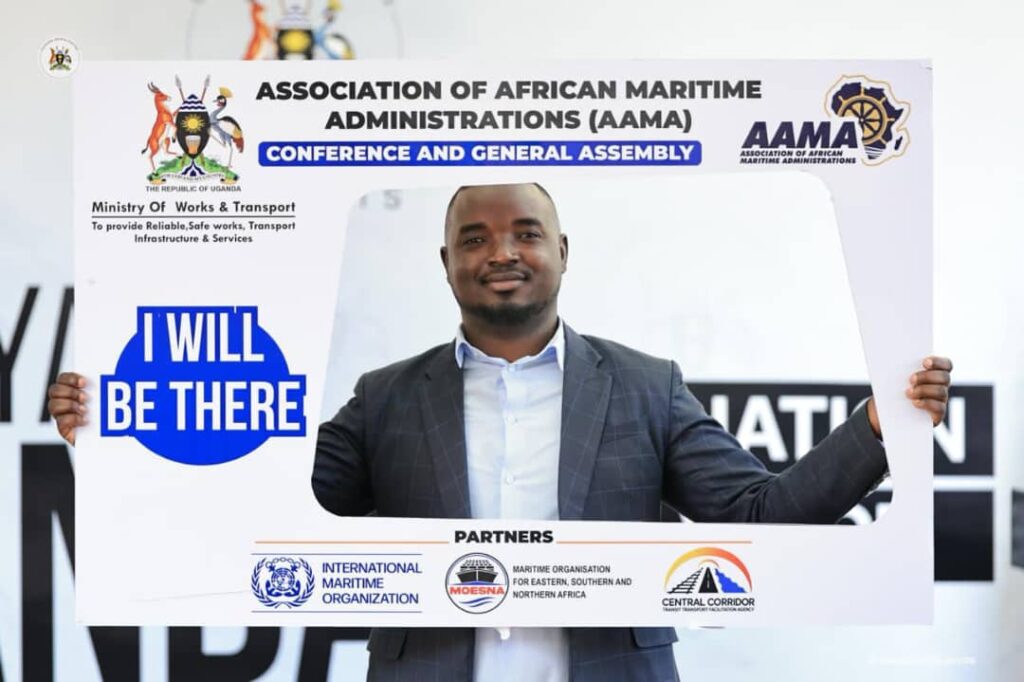
Uganda is also preparing to host the ninth Association of African Maritime Administrations (AAMA) Annual Conference and General Assembly from November 17 to 19, 2026, in Kampala.
Byamukama said the conference would bring together African maritime administrators, international maritime institutions, industry stakeholders and the Secretary-General of the International Maritime Organization to discuss strategies for transforming Africa’s maritime sector.
The conference will be held under the theme, “From Policy to Practice: Advancing African Maritime Transformation through Effective Governance, Innovation and Sustainable Blue Economy.”
The meeting is expected to focus on strengthening maritime governance, improving regional cooperation, promoting innovation and unlocking opportunities in the sustainable blue economy.
Among the key issues Uganda intends to advance are the establishment of a regional maritime university to train young Africans for employment in the international shipping industry and the development of a regional shipping line to improve the movement of goods to international markets.
The minister said Africa currently accounts for only four per cent of the global seafarer workforce, presenting an opportunity for Uganda and other African countries to develop skilled labour for the international maritime industry.
He also highlighted the importance of marine cargo insurance and the development of inland water transport as strategies for reducing the cost of doing business and strengthening regional trade.
Byamukama said the government was investing in the development of Bukasa Port on Lake Victoria, with the first phase completed and preparations underway for the second phase.
He said the modern port would facilitate cargo transportation through regional ports, including Kisumu in Kenya and Mwanza in Tanzania, while strengthening Uganda’s connection to regional and international markets.
Government is also undertaking plans to rehabilitate and upgrade Port Bell, Jinja Port and Tororo Port to improve cargo and passenger handling capacity.
The minister noted that high transportation costs along regional trade corridors remain a major challenge, making inland water transport an important alternative for moving goods more efficiently and reducing pressure on roads.
On ferry services, Byamukama said Uganda currently operates 17 ferries, with two additional ferries commissioned and two others under construction.
He said government was also planning to study the transport needs of island communities to establish additional ferry routes and rehabilitate existing vessels.
The minister explained that ferries serve as extensions of the road network for communities living on islands, adding that most government-operated ferry services are provided free of charge to facilitate movement and access to essential services.
Meanwhile, Byamukama said the ministry had addressed the shortage of digital vehicle number plates that previously caused delays for motorists and created opportunities for brokers to exploit vehicle owners.
He said number plates were now available following government engagement with the contractor, adding that the ministry had also digitised vehicle registration and other related services to eliminate middlemen.
According to Byamukama, motorists can now apply for number plates, register vehicles and make changes to vehicle registration details through digital platforms without paying brokers to facilitate the processes.
He, however, acknowledged concerns about people allegedly removing number plates and reporting them as lost to obtain replacement plates for vehicles whose registration numbers they want to change.
He said the ministry was studying the matter, particularly cases involving genuine loss of number plates, while continuing to work with Parliament’s Committee on Physical Infrastructure and other government agencies to improve service delivery.
The government says strengthening boat registration, maritime safety infrastructure and inland water transport services will be central to protecting lives, improving connectivity and positioning Uganda to benefit from regional and international maritime trade.