

By Mugula Dan
17 Nov 2026
The Ministry of Health has urged residents of Kampala and Wakiso to take personal responsibility for malaria prevention and avoid relying entirely on government-provided mosquito nets, warning that limited resources may not allow the continuous distribution of free nets to every household.
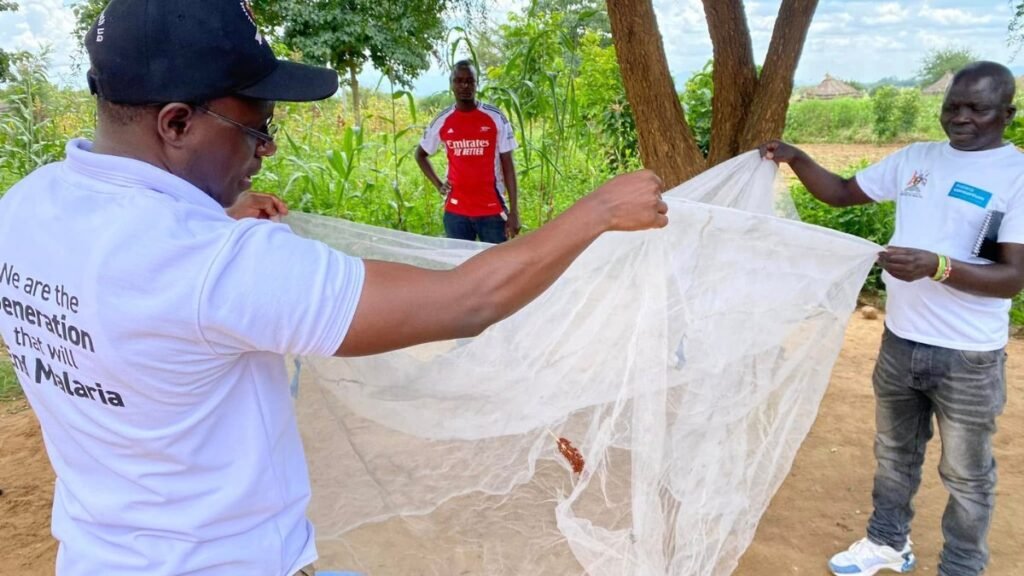
The appeal comes as government prepares to distribute 3.3 million mosquito nets to households in Kampala and Wakiso District in the fifth and final phase of the 2026 national mosquito net distribution campaign, scheduled to run from November 20 to 22.
Addressing journalists at the Uganda Media Centre in Kampala on Tuesday, November 17, 2026, Dr Richard Kabanda, Commissioner for Health Services in charge of Health Promotion, Education and Strategic Communication, representing the Minister of State for Health in charge of Primary Health Care, Charles Ayume, said providing mosquito nets was part of government’s efforts to promote malaria prevention rather than an obligation to supply every individual with a net.
Kabanda urged Ugandans, particularly parents and household heads, to set aside money to purchase additional mosquito nets to ensure that all family members are protected.
He said government could not guarantee continuous distribution because the current campaign depended on available funding and support from development partners.
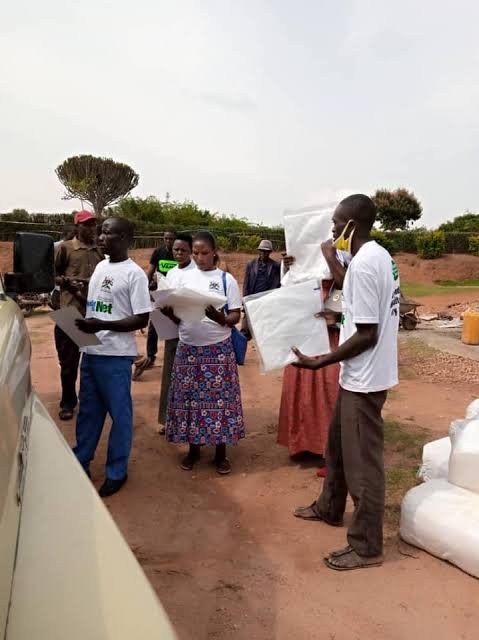
“Government is promoting interventions that will prevent our people from getting malaria. Providing mosquito nets is part of that effort, but individuals also have a responsibility to protect themselves and their families,” Kabanda said.
He added that households should ideally have one mosquito net for every two people, encouraging those with the financial means to purchase additional nets instead of waiting for government distributions.
The Ministry said the latest campaign will deliver 3,385,000 mosquito nets across Kampala and Wakiso, targeting an estimated population of 5.9 million people.
Of these, 1,168,700 nets will be distributed in Kampala, covering approximately two million people, while Wakiso District will receive 2,216,300 nets to serve an estimated 3.9 million residents.
The distribution exercise will be conducted through 32 operational administrative units, comprising five divisions in Kampala and 27 administrative units in Wakiso.
In Kampala, the distribution will cover Kampala Central, Rubaga, Kawempe, Makindye and Nakawa divisions.
In Wakiso, the exercise will cover various sub-counties, town councils and municipal divisions, including Entebbe, Nansana, Kyengera, Kasangati, Katabi, Kajjansi, Gombe, Namugongo and Wakiso Town Council, among others.
The Ministry said the last-mile distribution will be conducted at designated village-level points, with Village Health Teams (VHTs) and local council leaders responsible for registering households and informing residents about the specific dates and collection locations.
Kabanda explained that Kampala and Wakiso were scheduled for the final phase because of their complex urban settlements, including gated communities and informal settlements, as well as their relatively lower malaria burden compared to other parts of the country.
He said the government had prioritised regions with a higher malaria burden before extending the campaign to the two urban areas.
The Ministry’s Deputy Programme Manager in the Malaria Elimination Division, Dr Catherine Maiteki, and other technical officials were also present to provide information on the campaign.
According to the Ministry, malaria remains one of Uganda’s biggest public health challenges, with more than 11.7 million cases and 2,342 deaths recorded in 2025. More than 55 per cent of the reported deaths involved children below five years.
The Ministry said insecticide-treated mosquito nets remain among the most effective malaria prevention interventions, helping to reduce malaria transmission, illness and deaths, particularly among children and pregnant women.
Uganda has previously conducted several nationwide mosquito net distribution campaigns. In 2010, government distributed 7.2 million nets, achieving 64 per cent coverage. In 2020, it distributed 28 million nets, reaching 98 per cent coverage, while the 2023 campaign delivered 28.5 million nets, also achieving 98 per cent coverage.
The 2026 campaign has been implemented in five waves. The first wave, conducted in January, distributed 3.4 million nets across 20 districts, while the second wave in April delivered 4.8 million nets to 32 districts.
The third wave in May distributed 4.2 million nets across several sub-regions, including Ankole, West Nile, Bunyoro and Tooro, while the fourth wave delivered 5.4 million nets to 39 districts, covering Buganda, Kigezi and Karamoja.
The fifth wave will complete the year’s distribution programme, with the Ministry calling on political, administrative and technical leaders, as well as the Buganda Kingdom, to mobilise communities and address misinformation surrounding mosquito net use.
Residents have also been cautioned against using the nets for fishing, gardening or fencing crops, with the Ministry stressing that they should be reserved for their intended purpose of protecting people from mosquito bites.
The Ministry further advised residents to hang newly distributed nets in a shaded, well-ventilated area for 24 hours before installing them for use.
Kabanda urged households to eliminate mosquito breeding sites by draining stagnant water, clearing bushes and removing empty tyres, broken pots and other containers that can collect water around homes.
He also encouraged the public to seek medical attention immediately when experiencing fever or other malaria-related symptoms, warning against self-medication and taking antimalarial drugs without first being tested.
Healthcare providers, drug shop operators and pharmacists were equally urged to ensure that treatment is based on proper diagnosis and prescriptions from licensed health professionals.
The Ministry emphasised that every household member should sleep under a mosquito net every night, saying malaria prevention requires collective effort and individual responsibility if Uganda is to achieve its goal of eliminating the disease.