


By Our Reporter
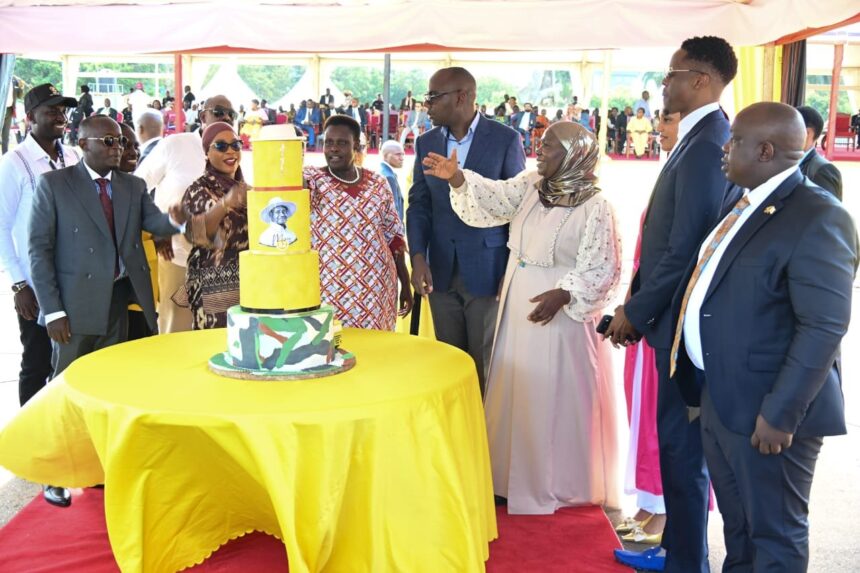
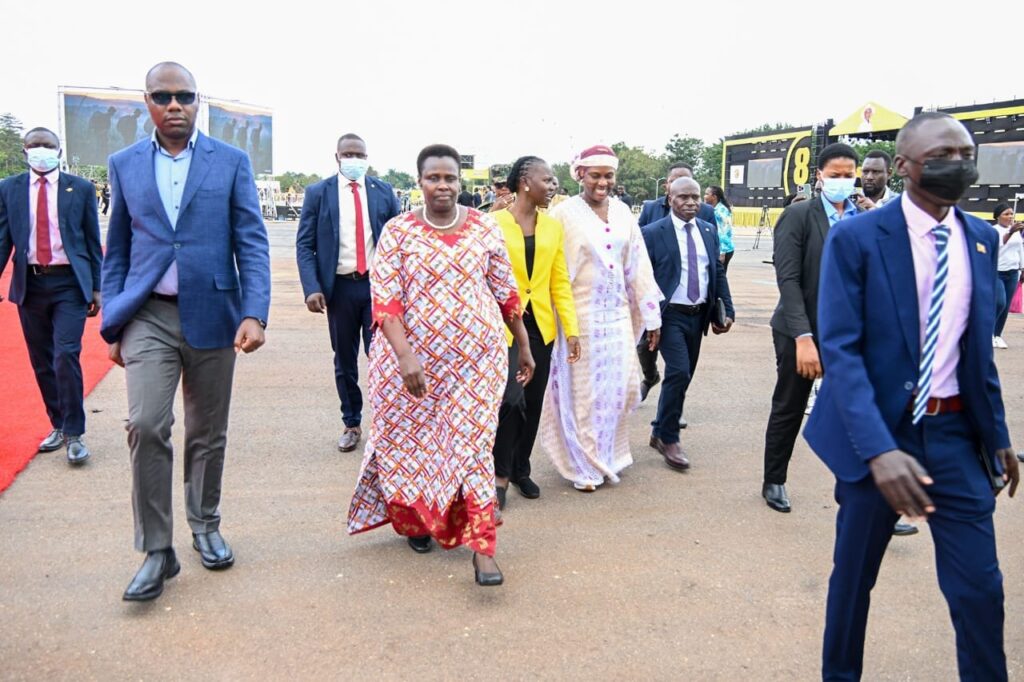
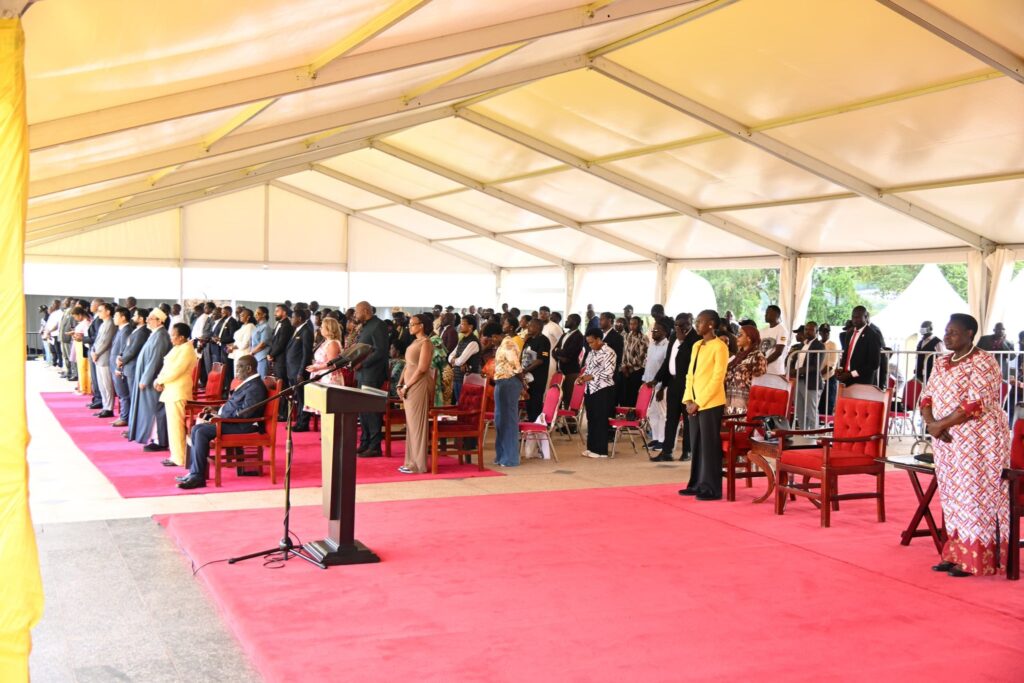
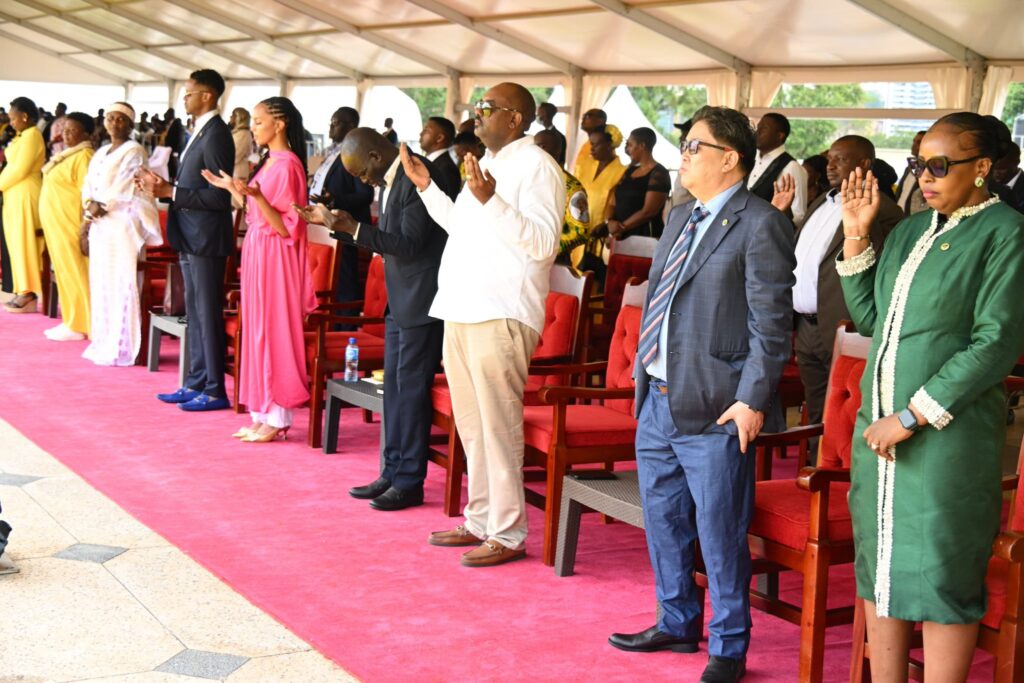
KAMPALA, UGANDA — Uganda’s Vice President, Jessica Alupo, joined government officials, youth leaders, and private-sector stakeholders in celebrating President Yoweri Kaguta Museveni’s 82nd birthday at a legacy gala held under the theme, “A Legacy That Inspires Generations: Empowering African Youth for the Next Phase of the Pan-African Revolution.”
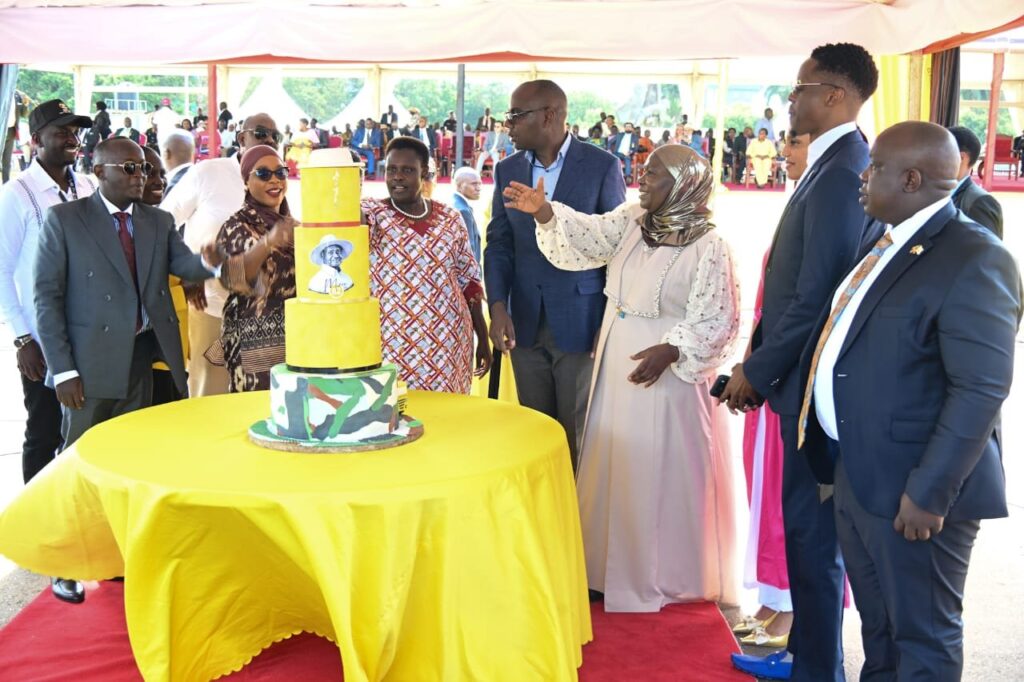
Representing the President, who was unable to attend due to a virtual meeting, Vice President Alupo conveyed his appreciation to the event organizers and guests. She highlighted what she described as achievements under his leadership, including peace and security, infrastructure development, economic transformation, industrialization, and wealth creation programmes.
In his message, President Museveni urged Ugandans to uphold the four core principles of the National Resistance Movement (NRM): nationalism, Pan-Africanism, socioeconomic transformation, and democracy. He emphasized the importance of regional integration, industrialization, value addition, and expanding access to African markets.
The President also called for more households to participate in the money economy through government programmes such as the Parish Development Model, Emyooga, and initiatives supporting women, youth, and other special-interest groups.
Minister of State for Youth and Children, Mercy Lakisa, described the celebration as a meeting between the generation that established Uganda’s foundations and the younger generation responsible for building its future.
She recognized government initiatives, including the Parish Development Model, the Youth Livelihood Programme, and Presidential Skilling Hubs, while calling for increased investment in youth enterprise capital, technology hubs, skills development, and employment opportunities.
Lakisa urged young Ugandans to move from consumption to production and contribute to the country’s industrial and economic development.
Charles Sima Israel, the National Coordinator of Gen Z for Gen Museveni, outlined seven pillars of qualitative transformation: peace and security, infrastructure development, wealth creation, employment and job creation, service delivery, market access, and unity and political stability.
He explained that the pillars are interconnected and essential to sustainable national development.
Israel also introduced the Uhuru na Umoja (Freedom and Unity) initiative, which seeks to promote youth cooperation, economic integration, and stronger relationships across East Africa and the African continent. He emphasized the importance of regional markets, technology, education, and productive capacity in advancing African self-reliance.
Ian Gumisiriza highlighted several government initiatives, including Universal Primary Education (UPE), NAADS, Entandikwa, Operation Wealth Creation, the Uganda Women Entrepreneurship Programme (UWEP), and Emyooga.
He noted their focus on expanding access to education, supporting agriculture, empowering women, and promoting enterprise development. He also emphasized the importance of local manufacturing and value addition through initiatives such as Made in Uganda.
Church of Uganda Family TV, in partnership with various stakeholders, used the celebration to highlight the role of the boda boda industry in Uganda’s transport and informal economy.
Organizers called for a year-long media mobilization and stakeholder engagement campaign to improve professional training, road safety, financial inclusion, licensing, and skills development for boda boda riders.
The proposed initiative aims to promote a safer, better-organized, and more economically empowered boda boda sector through collaboration between government, financial institutions, training organizations, the private sector, and rider associations.
The celebration brought together leaders and young people to reflect on President Museveni’s public life while emphasizing youth participation, economic transformation, and regional cooperation as key priorities for Uganda’s future.