

Daniel Mugula
26/10/2026
KAMPALA — Hajjat Hadijah Namyalo, head of the Office of the National Chairman (ONC) of the National Resistance Movement (NRM), has called for a forensic audit of Shs1.71 trillion reportedly collected by the Uganda Electricity Distribution Company Limited (UEDCL), questioning why consumers continue to experience power outages, high electricity costs and delays in receiving connections.
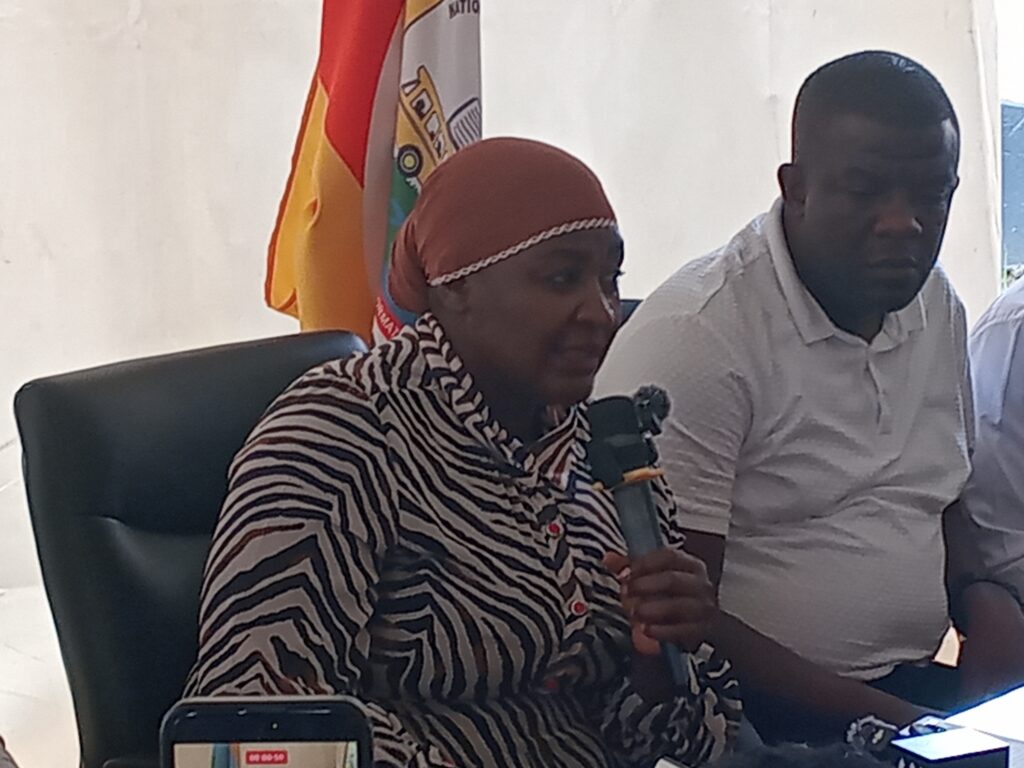
Speaking to journalists at the ONC offices in Kyambogo on Monday, Namyalo said Ugandans had expected improved electricity services following the takeover of power distribution from Umeme on April 1, 2025, but argued that the transition had not delivered the anticipated benefits.
She called on Parliament to investigate the utilisation of the reported funds, establish why some customers who paid for electricity connections remain unconnected and hold accountable those found responsible for any financial mismanagement.
“Ugandans deserve light, not excuses,” Namyalo said, arguing that reliable and affordable electricity was essential for businesses, schools, health facilities and the country’s wider economic development.
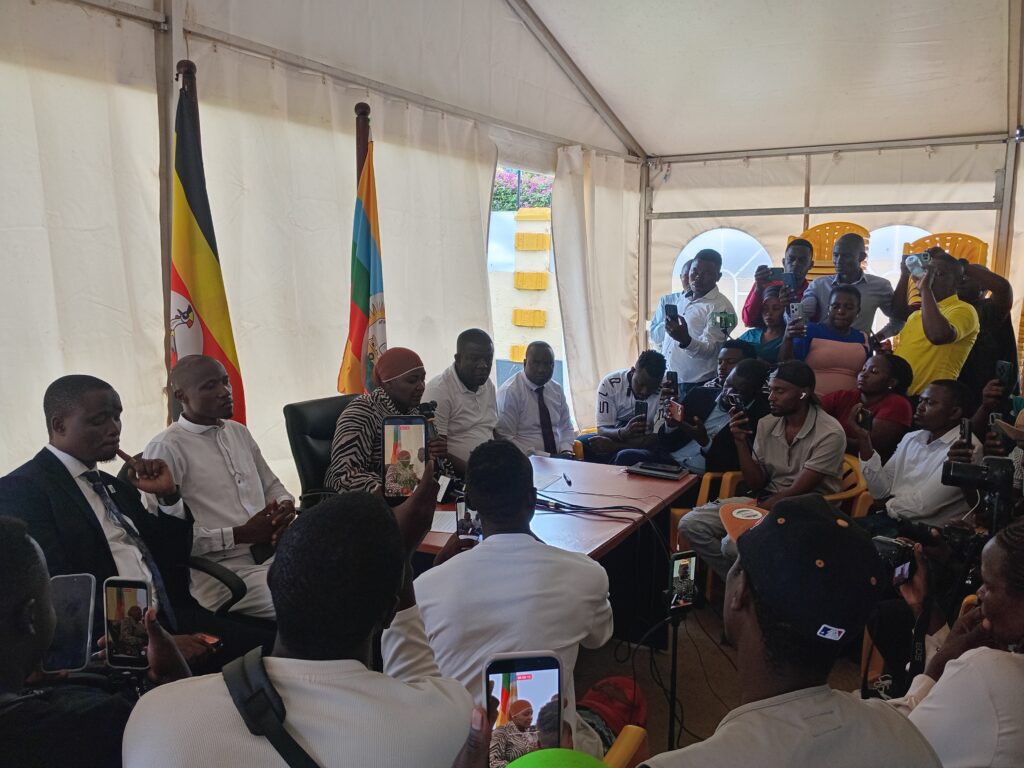
Speaking in her capacity as a Muzukulu, rather than as a senior presidential adviser for political affairs, Namyalo said she wanted to raise concerns affecting ordinary Ugandans, including households, small businesses and entrepreneurs struggling with unreliable electricity supplies.
She questioned UEDCL’s reported performance following the end of Umeme’s concession, alleging that the transition had left some consumers without the reliable services they had anticipated. She also questioned why, despite reported new connections, other customers who had paid for the service were still waiting for meters, transformers and completed connections.
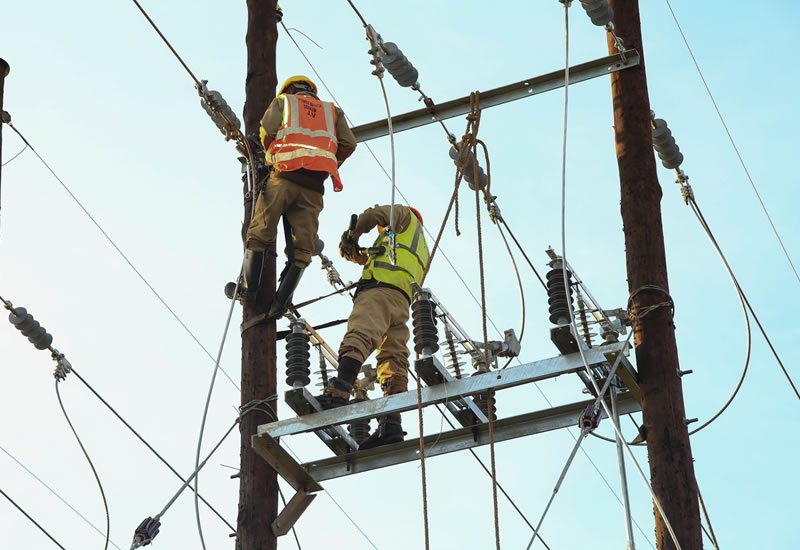
Namyalo further claimed that electricity distribution losses had increased from 15 per cent to 19 per cent, arguing that the trend raised questions about operational efficiency and whether the cost of losses was ultimately being passed on to consumers through electricity tariffs.
She demanded that the Ministry of Energy and Mineral Development, the Ministry of Finance and other relevant authorities provide clear explanations about electricity revenues, expenditure, distribution losses and the cost of extending power to consumers.
The ONC head also questioned the continued involvement of former Umeme management personnel in the electricity distribution sector, arguing that the transition should have resulted in improved service delivery and greater accountability.
Umeme’s concession ended on March 31, 2025, with UEDCL taking over electricity distribution the following day. The transition was intended to place distribution operations under state management, although the extent to which the change has improved service delivery remains a subject of public debate.
Namyalo also raised concerns about Uganda’s electricity exports to neighbouring countries, including Kenya, Tanzania, Rwanda and the Democratic Republic of Congo. She questioned why Uganda continued to export electricity while some domestic consumers reported blackouts and delays in obtaining connections.
Uganda has invested in major electricity generation projects, including the Karuma and Isimba hydropower plants, to expand generation capacity and support industrialisation. Namyalo argued that these investments should translate into reliable and affordable electricity for Ugandan households and businesses.
She maintained that electricity exports should not come at the expense of domestic demand and called for greater transparency on the volumes exported, the revenue generated and the arrangements governing the supply of power to neighbouring countries.
Namyalo also questioned the disparity between Uganda’s reported electricity generation costs and the tariffs paid by consumers. She argued that the country should examine the factors contributing to high electricity bills, including distribution losses, operational expenses and other charges.
She urged the government to explain why consumers continue to face high costs despite investments in generation infrastructure, saying that affordable electricity was necessary to support small enterprises, manufacturing and job creation.
Among her key demands, Namyalo called for Parliament to commission a forensic audit of the reported Shs1.71 trillion, investigate delays in connecting customers who have already paid, review UEDCL’s operational performance and strengthen accountability in the electricity sector.
She also called for electricity distribution operations to be managed by qualified technical professionals, arguing that engineers should be allowed to focus on improving efficiency, restoring reliable supply and addressing persistent service delivery challenges.
Namyalo warned that continued electricity disruptions could undermine public confidence in government programmes and weaken the economic gains achieved under President Yoweri Kaguta Museveni’s administration.
She rejected suggestions that raising concerns about electricity amounted to inciting violence, saying her intention was to inform the public and press government institutions to address the challenges facing consumers.
She appealed directly to President Museveni to intervene, arguing that unresolved electricity problems could damage his administration’s development legacy and increase frustration among Ugandans who had expected improved services following the transition from Umeme to UEDCL.
Namyalo said the government needed to move beyond assurances and provide verifiable information on electricity distribution, expenditure, tariffs and the status of pending connections.
She concluded by urging stakeholders to prioritise reliable, affordable and accessible electricity, warning that persistent blackouts and unresolved accountability concerns could affect businesses, household welfare and Uganda’s broader economic development.
The financial figures, electricity-loss estimates, connection statistics and tariff comparisons cited by Namyalo require verification against official records from UEDCL, the Electricity Regulatory Authority, the Ministry of Energy and Mineral Development and the Ministry of Finance. Independent verification and responses from the relevant institutions would help establish the extent of the reported challenges and the measures being taken to address them.