

Daniel Mugula
27/10/2026
KAMPALA — Cabinet has reversed a proposal to develop Kampala’s Constitutional Square into a solar-powered shopping mall and hotel, opting to retain the site’s existing legal status as a protected heritage area.
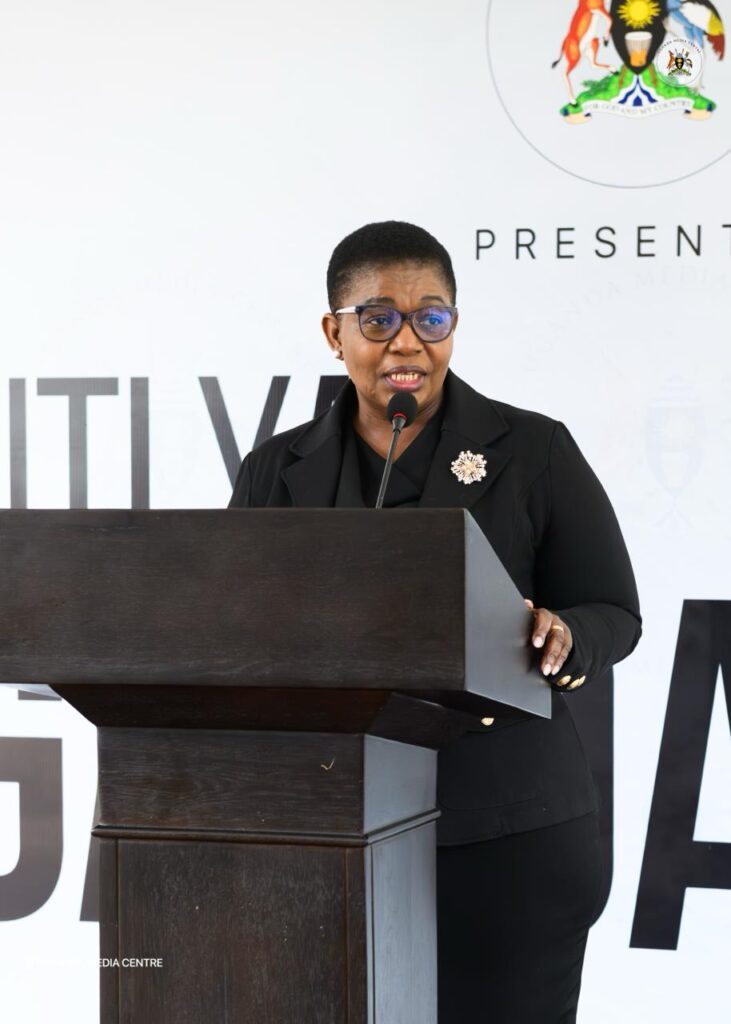
The decision was reached during a Cabinet meeting chaired by President Yoweri Kaguta Museveni on Monday, with Minister of ICT and National Guidance Justine Kasule Lumumba announcing the resolution to journalists at the Uganda Media Centre on Tuesday.
Lumumba said the decision followed consideration of the site’s historical significance, legal protection, environmental concerns and urban planning implications. She emphasised that Constitutional Square would remain protected and that any future development would have to comply with the laws governing heritage sites.
“The public should be informed clearly that Cabinet has reversed the development proposal. Constitutional Square retains its existing legal status,” Lumumba said.
The proposed development had been linked to an investor identified as Hajji Hassan Bulwadda, who reportedly sought to construct a solar-powered shopping mall and a hotel at the site.
The proposal had previously been referred to the leadership responsible for Kampala affairs, including the Minister for Kampala Capital City and Metropolitan Affairs, Minsa Kabanda, for consideration and further guidance to the President. However, the matter was subsequently brought before Cabinet, which resolved that the square should retain its current protected status.
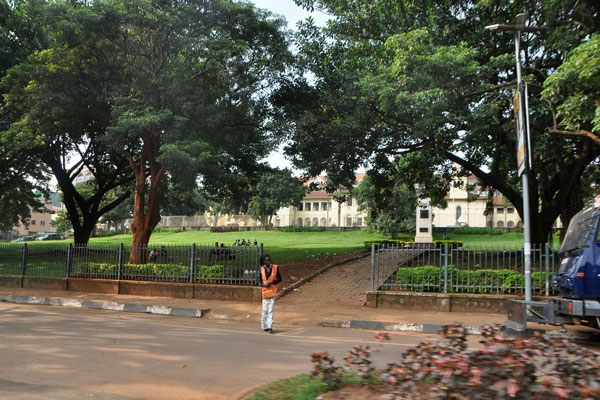
Constitutional Square, located in the heart of Kampala, is a nationally significant heritage site covering approximately 1.172 hectares across Plots 5, 6 and 7. It houses the 1945 War Memorial, which commemorates Ugandan soldiers who lost their lives during the First and Second World Wars.
According to Lumumba, the square’s protection dates back to the 1962 Constitution and is further recognised under the 1995 Constitution, which identifies it as Constitutional Square. The site is also protected under the Museums and Monuments Act of 2003 and a heritage protection instrument issued in 2004.
She said the site’s historical and constitutional significance requires that any decisions concerning it respect its protected status.
On the question of whether the site could be developed in the future, Lumumba said no immediate development had been approved. She explained that the Ministry of Tourism, Wildlife and Antiquities, which is responsible for heritage matters, would have to prepare any proposed development plan for consideration and approval by Cabinet.
Any future plans, she added, would have to preserve the historical significance and purpose for which the square was protected.
The question of a party claiming to hold a lease over the property, including whether compensation might arise following Cabinet’s decision, remains unresolved. Lumumba said the Attorney General would have to provide legal guidance on the matter before the Government could make a definitive position.
She noted that the legal implications required interpretation by the Attorney General, the Government’s principal legal adviser, given the various constitutional and statutory protections attached to the site.
The Cabinet decision effectively halts the proposed mall and hotel project for now, leaving Constitutional Square under its existing legal protection as the Government awaits further legal guidance on the lease claim and any possible future plans for the heritage site.