

Daniel Mugula
28/10/2026
The Uganda People’s Congress (UPC) has urged the government to ensure timely rubbish collection and adopt less forceful enforcement measures ahead of the National Cleaning Day scheduled for Saturday, warning that delayed waste disposal and excessive use of force could undermine the objectives of the exercise.
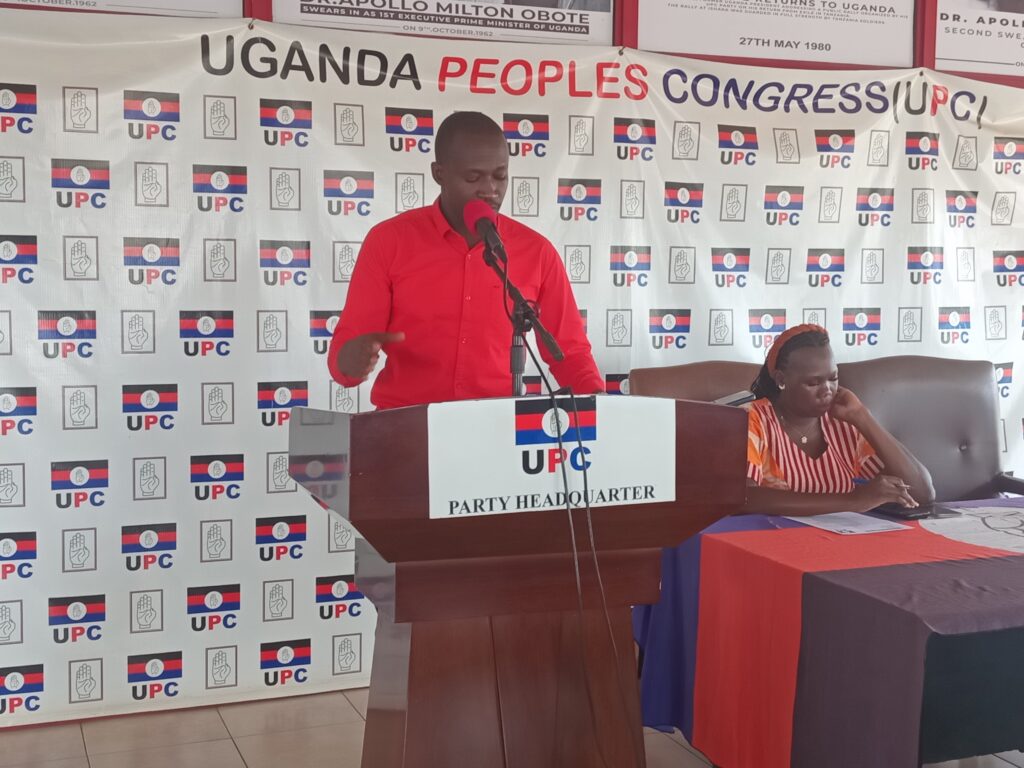
Speaking to journalists at Uganda House, the UPC headquarters, on Wednesday, party spokesperson Sharon Arach said the government should ensure that waste collected by communities is removed on the same day to prevent health risks and environmental pollution.
Arach welcomed the government’s initiative to dedicate the last Saturday of every month to nationwide cleaning but called for improved logistical planning, public sensitisation and a more humane approach by security personnel enforcing the programme.
She said communities often clean their neighbourhoods and leave rubbish along roadsides for three or four days before it is collected, creating unhygienic conditions for residents.
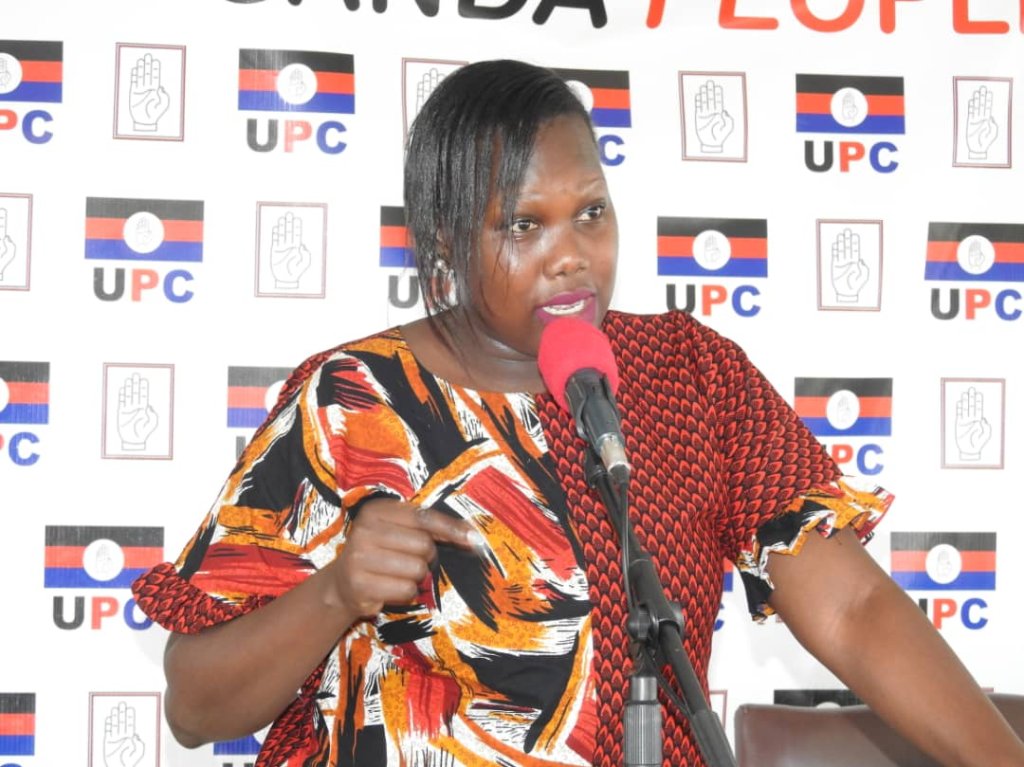
“When we have cleaned the environment and put rubbish along the roadside, the government has the responsibility to come and collect it,” Arach said, warning that decomposing waste produces unpleasant smells and poses health risks to surrounding communities.
She added that improperly managed waste could contribute to the spread of diseases such as cholera, which the government is working to control.
Arach urged the government to use the period between monthly cleaning exercises to prepare waste collection vehicles, ensuring they are serviced, fuelled and ready to transport rubbish to designated disposal sites on the day of the exercise.
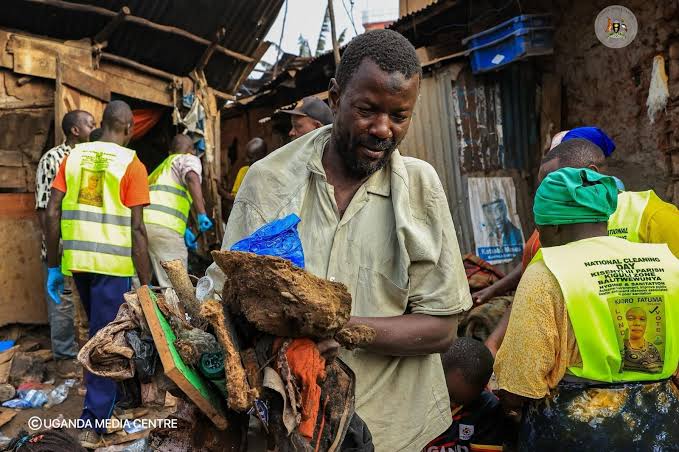
“For it to be National Cleaning Day, let the rubbish be collected that very day,” she said.
She cited Buyala in Mpigi District as one of the waste disposal destinations, calling for adequate transport and logistical arrangements to ensure that rubbish collected across the country reaches appropriate disposal facilities.
Beyond waste management, the UPC spokesperson raised concerns about the conduct of security personnel during previous cleaning exercises, calling for measures that promote compliance without putting lives at risk.
Arach referred to a reported incident in which a police officer fatally shot a boda boda rider who was allegedly riding during the designated cleaning hours, arguing that such incidents should be prevented through less drastic enforcement methods.
She suggested that the government consider non-lethal approaches to enforcing the exercise and ensure that police officers maintain a professional and restrained approach when dealing with members of the public.
“Much as police has been put in place, can’t they put a policy in place that police should be in place but let the guns be left behind?” she asked, proposing that officers could use less forceful methods to encourage compliance.
Arach also called for sustained public awareness campaigns through radio stations, television and community communication systems to remind Ugandans about the cleaning schedule and the hours during which they are expected to participate.
She said clear and consistent communication would help prevent misunderstandings, improve compliance and reduce confrontations between residents and security personnel.
According to Arach, the government should inform communities in advance about the designated cleaning hours, allowing residents to plan their activities and understand when they can resume their normal businesses.
She, however, urged Ugandans to cooperate with the authorities and participate in maintaining clean neighbourhoods, noting that environmental sanitation requires responsibility from both citizens and the government.
The remarks come as Prime Minister Robinah Nabbanja called on Ugandans across the country to participate in the latest National Cleaning Day, emphasising that the exercise should be conducted simultaneously in all cities, districts, municipalities, town councils, sub-counties, parishes and villages.
Nabbanja said the designation of Lira City as the national cleanup site should not be interpreted to mean that the exercise is limited to the northern city, stressing that all Ugandans have a responsibility to maintain clean and healthy surroundings.
Addressing journalists at the Office of the Prime Minister, she urged households, schools, businesses, institutions and community organisations to prepare cleaning equipment and actively participate in the exercise.
She also directed local government authorities to strengthen sanitation supervision and provide the necessary resources, including cleaning tools, protective equipment, wheelbarrows, waste collection trucks and fuel, to facilitate the programme.
The Prime Minister further instructed authorities to ensure that collected waste is transported to approved disposal or treatment facilities rather than being moved from one public space to another.
She identified roadsides, public walkways, markets, trading centres, drainage channels, schools, health facilities, workplaces and residential neighbourhoods as priority areas for cleaning.
Nabbanja commended Ugandans and national leaders for participating in previous National Cleaning Days held on July 21, August 29 and September 26, 2026, and called for sustained commitment to the programme.
She said the initiative was intended not only to remove accumulated rubbish but also to promote lasting behavioural change and establish cleanliness as a permanent national value.
“The objective is not simply to clean the country for three hours on one day. It is to establish cleanliness, proper sanitation and environmental responsibility as a permanent national value and everyday practice,” she said.
The monthly exercise is intended to encourage collective action on sanitation challenges, while the government continues to urge individuals and institutions to dispose of waste responsibly, use designated collection points and avoid dumping rubbish in drainage channels and along roadsides.
Arach’s remarks highlight the importance of complementing public participation with efficient waste collection, adequate logistical preparation, consistent communication and enforcement measures that protect lives and property.