

Daniel Mugula
28/10/2026
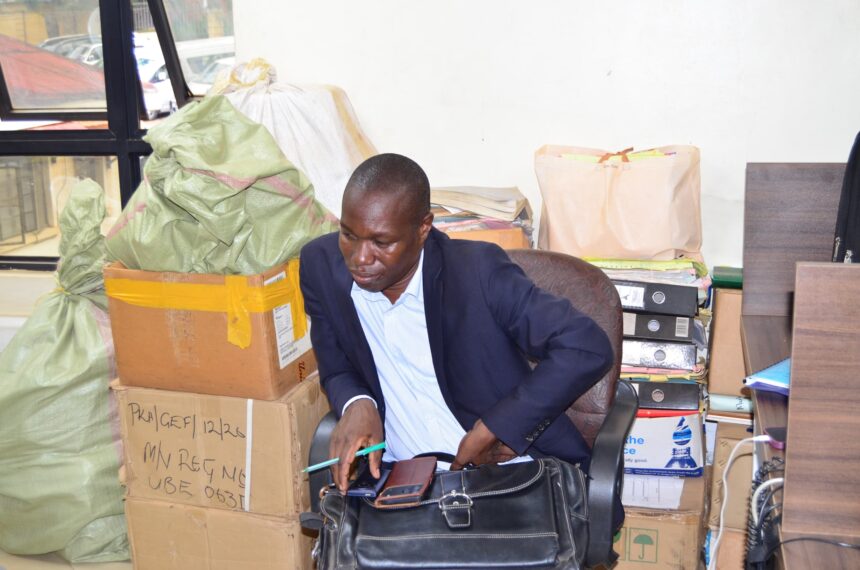
KAMPALA, Uganda — Nicholas Karije, the supervisor of medical logistics at Kampala Capital City Authority (KCCA), has been arrested by the State House Health Monitoring Unit (SH-HMU) working with the Criminal Investigations Directorate (CID) as investigations continue into UGX 4.64 billion worth of medicines and medical supplies that are not reflected in the stock records of three KCCA health facilities.
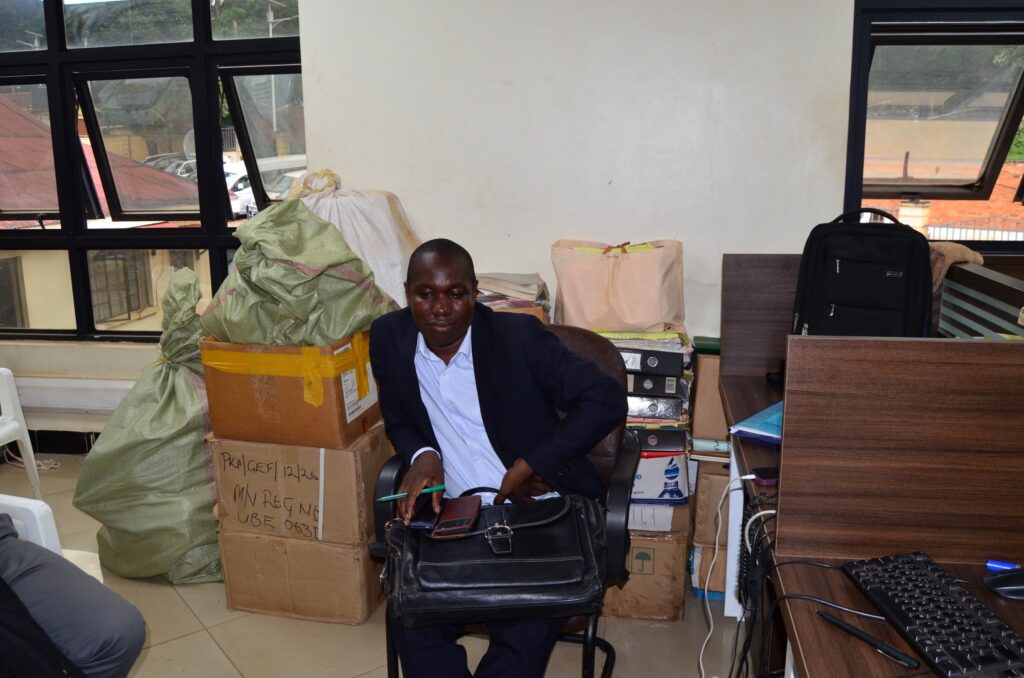
The arrest follows a preliminary review by the SH-HMU that uncovered significant discrepancies between medical supplies dispatched to the facilities and the quantities recorded in their stock records. The investigation is focused on Kisenyi Health Centre IV, Kawaala Health Centre IV and Komamboga Health Centre III.
According to the preliminary findings, supplies worth UGX 6.63 billion were dispatched to the three facilities between July 2023 and October 2026. However, approximately 70 per cent of the supplies, valued at UGX 4.64 billion, could not be accounted for in the receiving facilities’ records.
Dr Warren Naamara, the Director of the State House Health Monitoring Unit, said investigators decided to act before completing the review of all eight targeted health facilities because of concerns that information could be concealed or records interfered with.
“We haven’t finished this work, but what we’ve discovered is that there is so much unaccounted for that we could not wait for these people to go in and hide information or interfere with the information,” Naamara said.
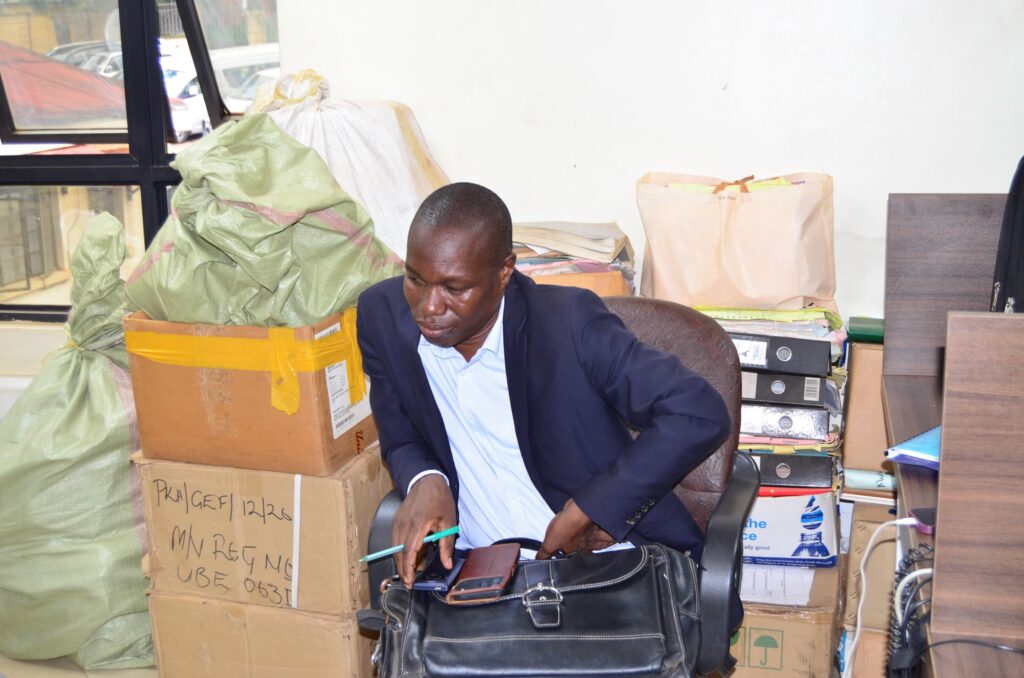
He described the preliminary findings as concerning, adding that the investigation would continue until the circumstances surrounding the discrepancies were established.
Kisenyi Health Centre IV recorded the largest discrepancy, with UGX 3.18 billion worth of medical supplies not reflected in its records. Kawaala Health Centre IV accounted for UGX 1.04 billion, while Komamboga Health Centre III had UGX 417.5 million unaccounted for.
Naamara said investigators relied on KCCA store vouchers, facility stock cards and electronic records to establish the discrepancies. The review compared supplies issued from stores with the quantities recorded at the receiving facilities.
The missing items mainly comprise medicines, although other medical consumables, including mama kits, were also mentioned among the supplies that could not be accounted for.
Karije was identified during the review because his signature appeared on vouchers relating to supplies under investigation. The preliminary records indicate that he signed for medical supplies worth UGX 2.71 billion.
The investigation has also involved another KCCA medical logistics officer whose details have not been fully established in the information available about the case.
According to the monitoring unit, the officers were referred for arrest amid concerns about possible interference with the investigation. The allegations include claims that individuals sought information from health facility staff and attempted to alter or withhold records.
However, the findings remain preliminary, and the allegations have not been established in court. The officers are entitled to respond to the claims as investigators gather further evidence and statements.
Naamara emphasised that those arrested would go through the legal process and that the principle of presumption of innocence would apply until guilt is proved in court.
The inquiry is part of a broader assessment of service delivery at KCCA health facilities. Five of the eight facilities initially targeted are yet to be examined, raising the possibility that further discrepancies could emerge as the investigation progresses.
Authorities have clarified that the UGX 4.64 billion figure relates to supplies that could not be traced in the receiving facilities’ stock records. The discrepancy alone does not establish that the medicines were stolen or determine who may be criminally responsible.
Separate concerns involving procurement practices, pricing and payments for supplies allegedly not delivered are also under review but fall outside the scope of the current referral.
The State House Health Monitoring Unit says the investigation is ongoing, with further scrutiny expected to establish what happened to the medical supplies, identify any wrongdoing and determine whether additional action should be taken against those implicated.
The case raises renewed questions about accountability in the management and distribution of public medical supplies, which are essential to service delivery in government health facilities.