


Skynewsug.com
14/ 10/2026
KAMPALA, Uganda — Sheilah Gashumba and Robert Kayanja Jr have clashed on X over allegations of fake miracles, financial accountability in churches and the role of religious institutions in helping vulnerable communities.
The exchange follows criticism by media personality Frank Gashumba, Sheilah’s father, of pastors accused of exploiting believers through questionable miracles and excessive demands for tithes and offerings.

Sheilah Gashumba
Sheilah defended her father, insisting that his remarks were not an attack on God or Christianity but a challenge to religious leaders who allegedly manipulate believers, particularly the poor, for financial gain.
In her response, she questioned why some churches do not demonstrate the same level of financial transparency expected of businesses, hospitals and charitable organisations, arguing that religious institutions should also account for the money they collect from their congregations.
“Stop confusing people that he said he doesn’t believe in God,” Sheilah said, adding that her father was criticising pastors accused of staging fake miracles and exploiting believers.
Sheilah also cited her family’s Catholic background, noting that her father has attended Sunday Mass at Ggaba Catholic Church for years and contributes to community initiatives. She added that he also supports society around Villa Maria Catholic Church in Masaka.
She further questioned the use of curses against her father and his family, asking whether such statements were consistent with Christian teachings.
Kayanja Jr Defends Father’s Ministry
In response, Robert Kayanja Jr rejected the criticism of his father’s ministry, pointing to its humanitarian work, educational programmes and community support initiatives.
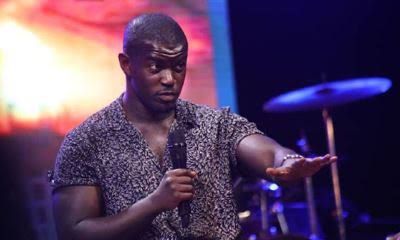
Robert Kayanja Jr
He said the ministry had supported vulnerable communities in Karamoja, provided food to people in need, helped children access education and supported individuals who have gone on to become doctors, lawyers and teachers.
Kayanja Jr cited the provision of tractors in Karamoja as an example of the ministry’s community projects, arguing that its activities were visible and could be verified by church members and the public.
He also maintained that the ministry keeps financial records and is subject to Uganda Revenue Authority (URA) requirements.
According to Kayanja Jr, the church operates a Bible college that trains pastors and ministers and organises youth conferences where participants receive free meals. He added that the ministry provides food to people in need regardless of whether they attend its services.
He further pointed to relief efforts during the COVID-19 pandemic and assistance provided in South Sudan and Kenya as examples of the contribution made by born-again churches to society.
Dispute Over Miracles and Accountability
Kayanja Jr maintained that his father does not claim to perform miracles, saying the ministry’s position is that healing comes from Jesus Christ.
He accused Frank Gashumba of criticising miracles without sufficient justification, arguing that the criticism later expanded to include financial transparency and accountability following public backlash.
Kayanja Jr also questioned what he described as unequal scrutiny of religious groups. He cited an alleged bombing targeting his church in September 2023, arguing that other faiths do not always face the same level of public criticism.
However, the exchange has also highlighted wider questions about the accountability of religious institutions, particularly those that collect substantial donations from their followers.
Calls for Greater Transparency in Churches
Sheilah argued that questioning religious practices should not automatically be interpreted as rejecting God or Christianity. Instead, she said believers should be free to demand transparency and challenge practices they consider exploitative.
Kayanja Jr, on the other hand, defended his family’s ministry, saying its charitable activities, educational programmes and community interventions demonstrate its contribution to society.
The disagreement has reignited debate over the credibility of reported miracles, the use of church donations, financial accountability and the responsibility of religious leaders to demonstrate how funds are spent.
At the heart of the dispute is whether churches should face stronger financial disclosure requirements and how allegations of fraudulent religious practices can be addressed while protecting freedom of worship and recognising legitimate charitable work.
The claims and counterclaims made by both sides have not, in themselves, independently established whether any alleged misconduct occurred.