

16 Sept 2026
Uganda has joined the global community to commemorate International Deaf Awareness Week, running from September 14 to 18, 2026, with calls for improved access to education, healthcare, employment and social services for deaf persons.
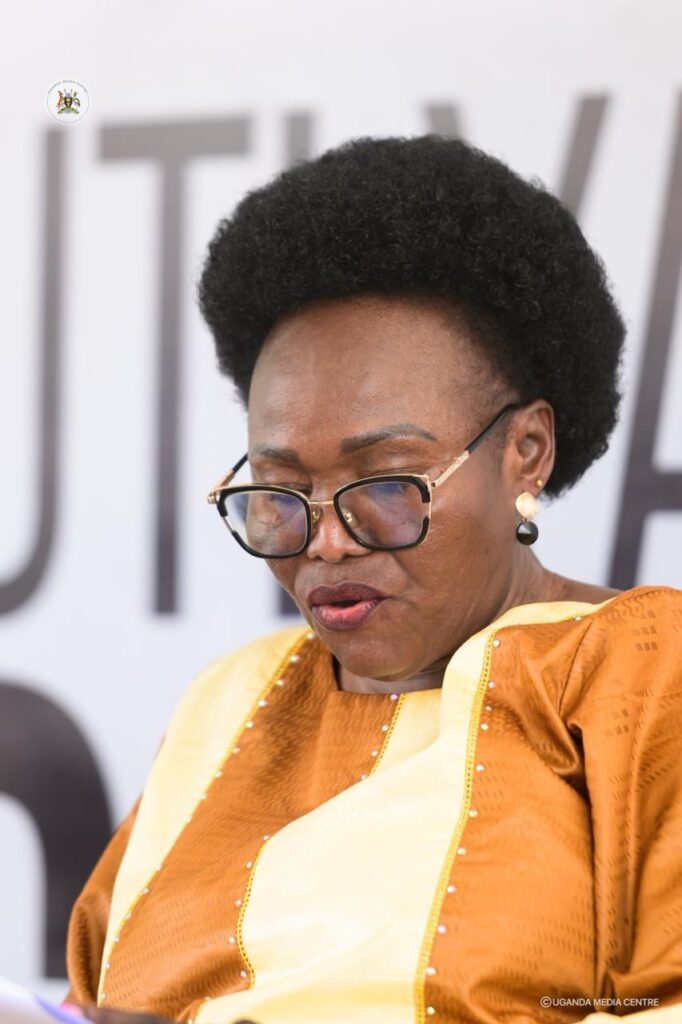
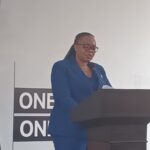
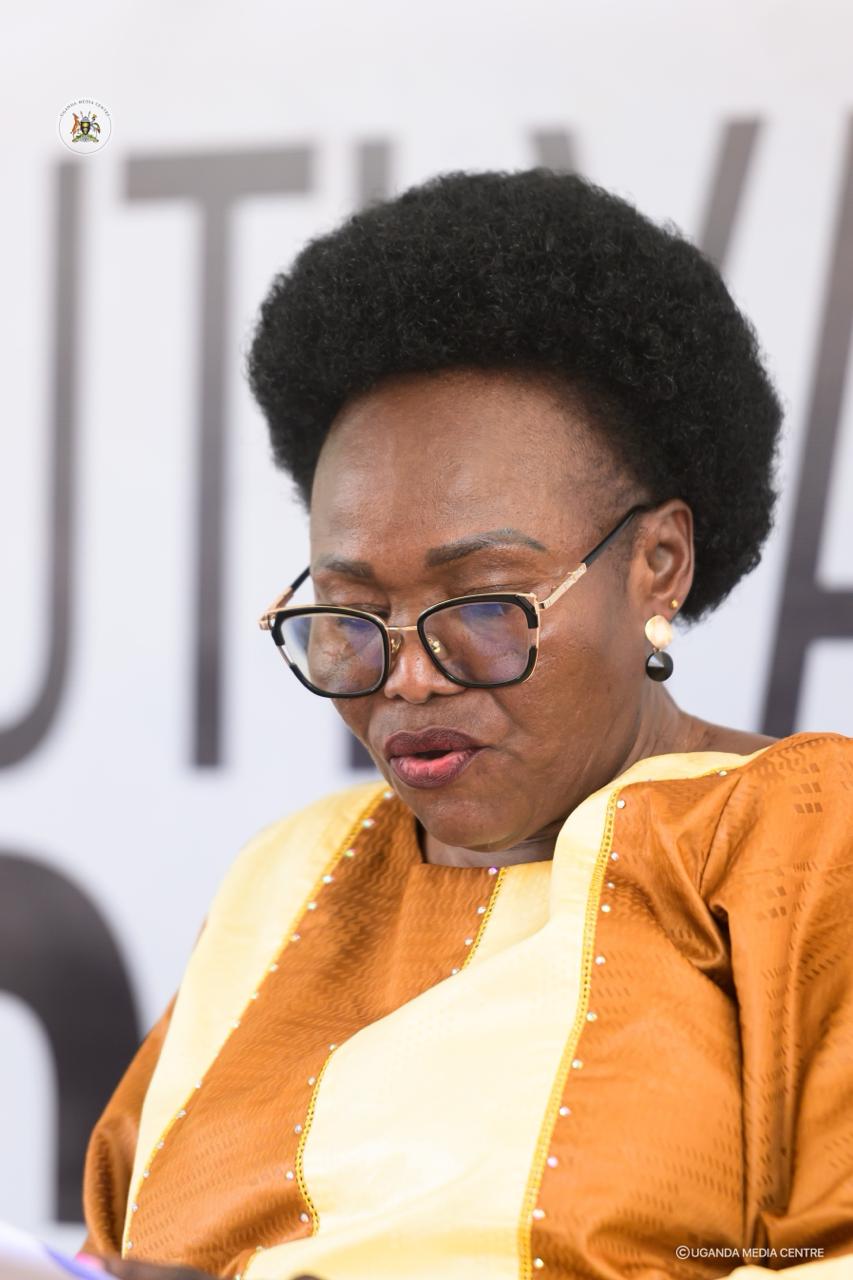
Minister of State for Disability Affairs, Joyce Okeny Acan, said the commemoration provides an opportunity to recognize the contributions of deaf persons to national development while highlighting their rights and challenges.
This year’s theme, “Declaring Deaf People’s Rights, Human Rights: Innovation that Guarantees Access to Social Services and Empowerment,” emphasizes the importance of inclusion, accessibility and the protection of human rights.
According to the Uganda National population and housing Census Statistics 2024, more than 1,979,613 people aged two and above experience difficulty hearing, representing 4.7 percent of the population. This compares with 1,083,649 people recorded in the 2014 statistics.
Minister Acan outlined several government interventions aimed at promoting the rights and welfare of deaf persons. These include the Persons with Disabilities Act 2020, which provides for the development, training and use of sign language, as well as the provision of sign language interpreters in government and public institutions.
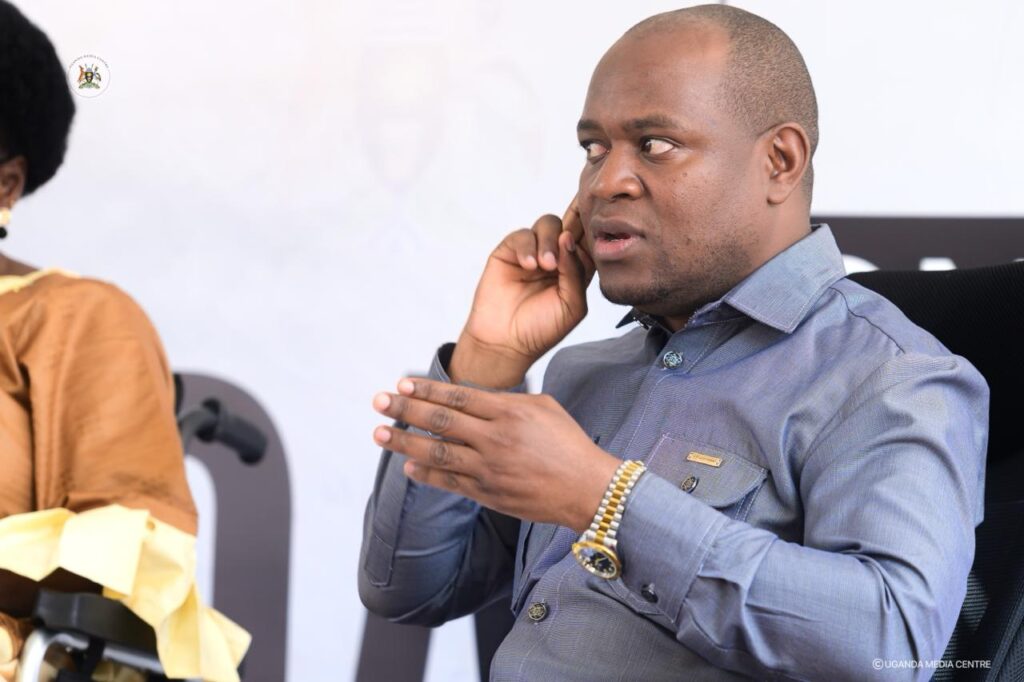
She also highlighted government support for two model secondary schools for deaf learners in Mbale and Wakiso districts, the availability of sign language training at Kyambogo University, and economic empowerment programmes such as the National Special Grant for Persons with Disabilities and the Parish Development Model.
The minister further said government had put measures in place to improve access to information, including the use of sign language interpreters in media broadcasts and the enforcement of accessibility requirements for television services.
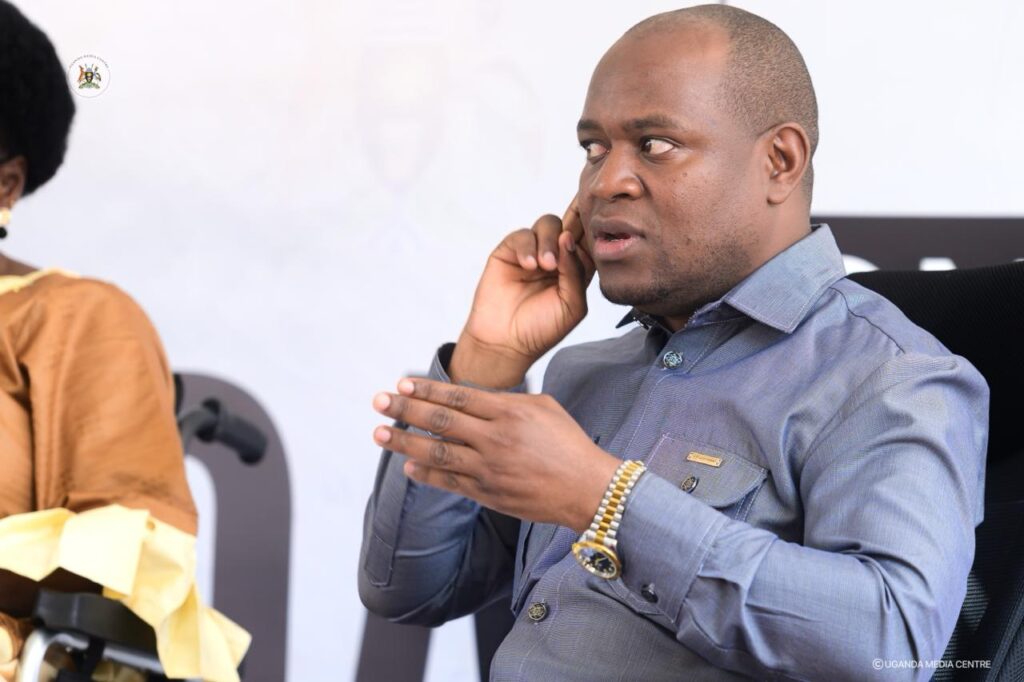
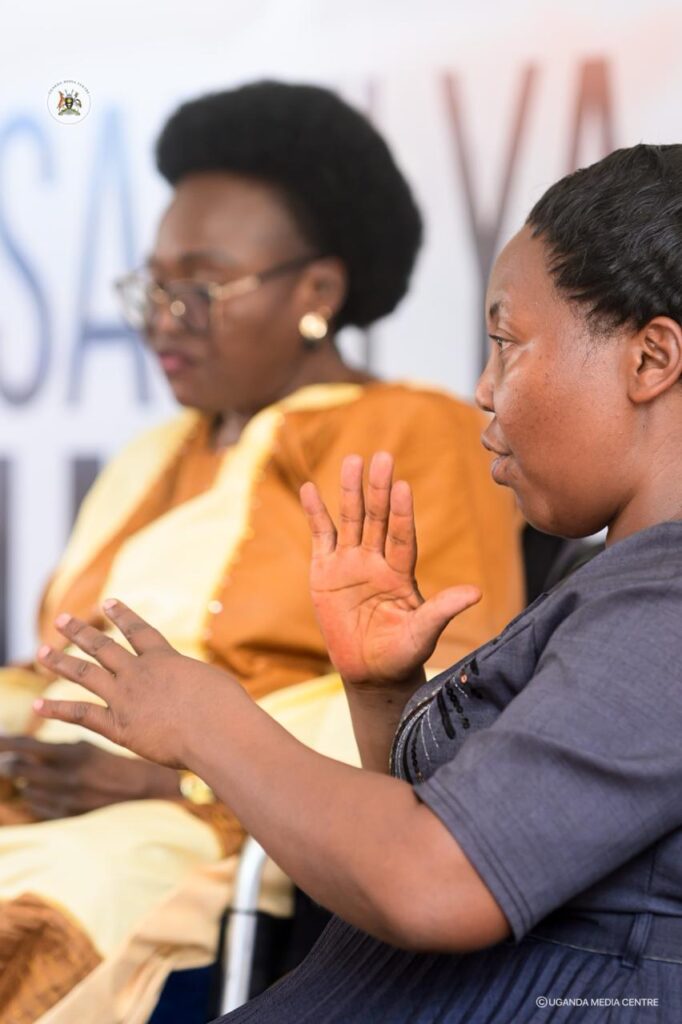
Meanwhile, the Executive Director of the Uganda National Association of the Deaf (UNAD), Robert Nkwangu, called for stronger government commitment to addressing the challenges faced by deaf persons.
Nkwangu welcomed an upcoming project supported by the Uganda Communications Commission (UCC) and UCAF to digitalize and standardize Uganda Sign Language. He said the initiative would improve access to communication for deaf persons in hospitals, courts and schools, while promoting uniformity in sign language across the country.
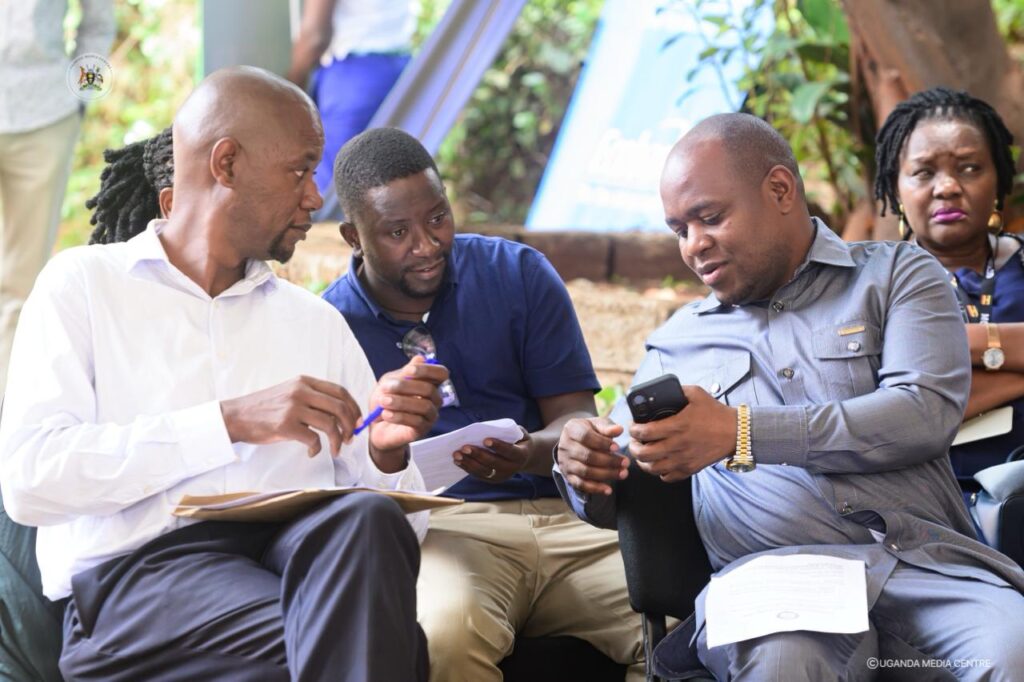
He urged government to recognize sign language as an official language, recruit at least 200 sign language interpreters for public institutions, and enact a Sign Language Bill to protect and promote the language.
“Nothing for us without us,” Nkwangu said, emphasizing the need to involve deaf persons in innovations and programmes intended to benefit them.
He also appealed to innovators and service providers to work closely with the deaf community to ensure that new technologies and services are inclusive and accessible.
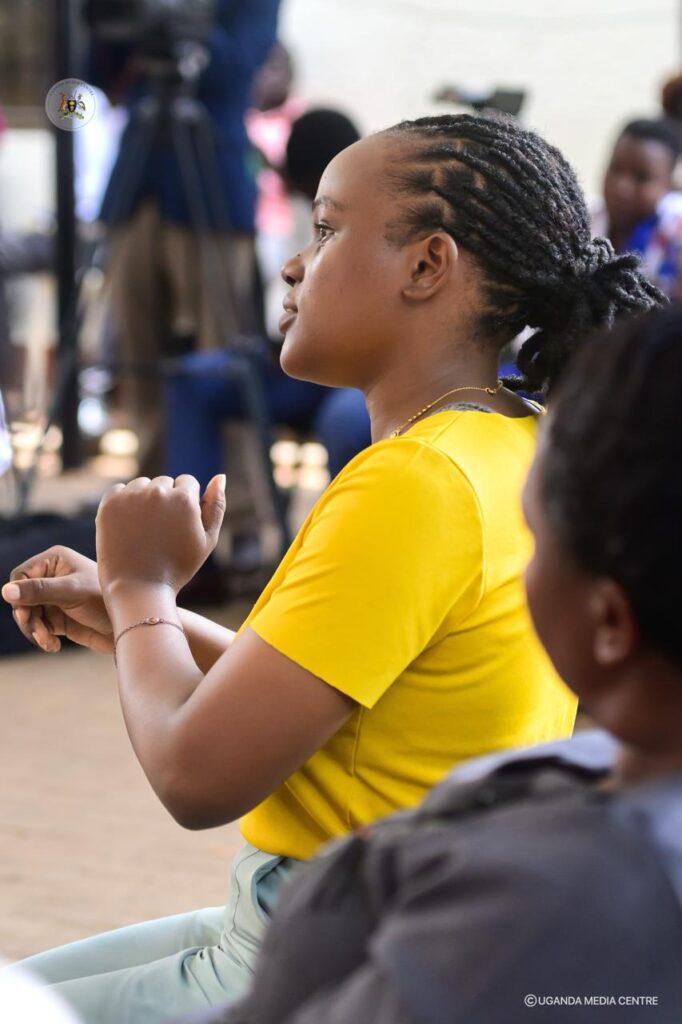
The commemoration highlights the need for continued collaboration between government, stakeholders and deaf persons to advance inclusive development and ensure equal access to opportunities and services.
I can also turn this into a shorter, more punchy newspaper article suitable for a front-page or radio news report.