


By Daniel Mugula
The Uganda National Examinations Board (UNEB) has warned schools against fraudulently registering private candidates as Universal Primary Education (UPE) learners, saying schools found guilty will be surcharged and may have their candidates’ results withheld.

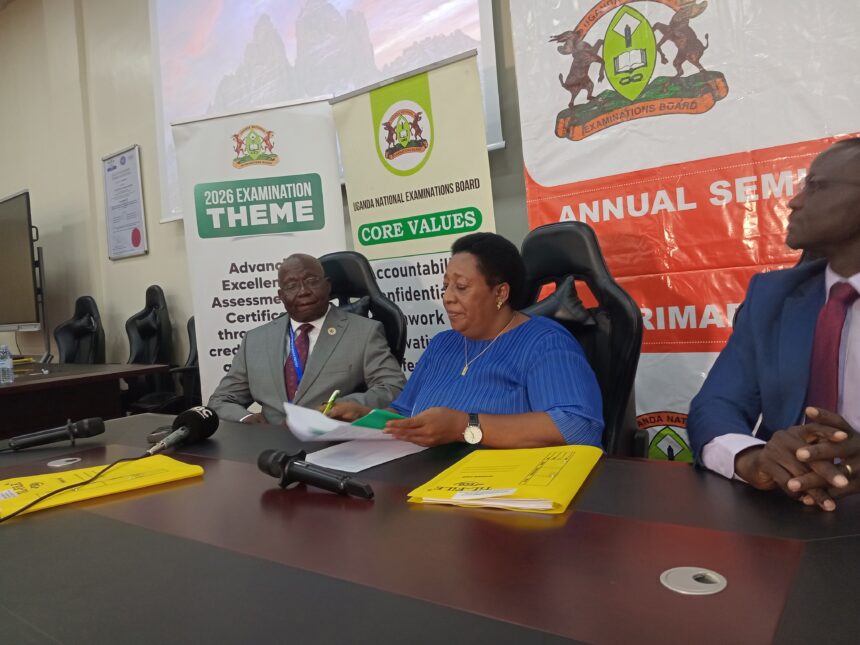
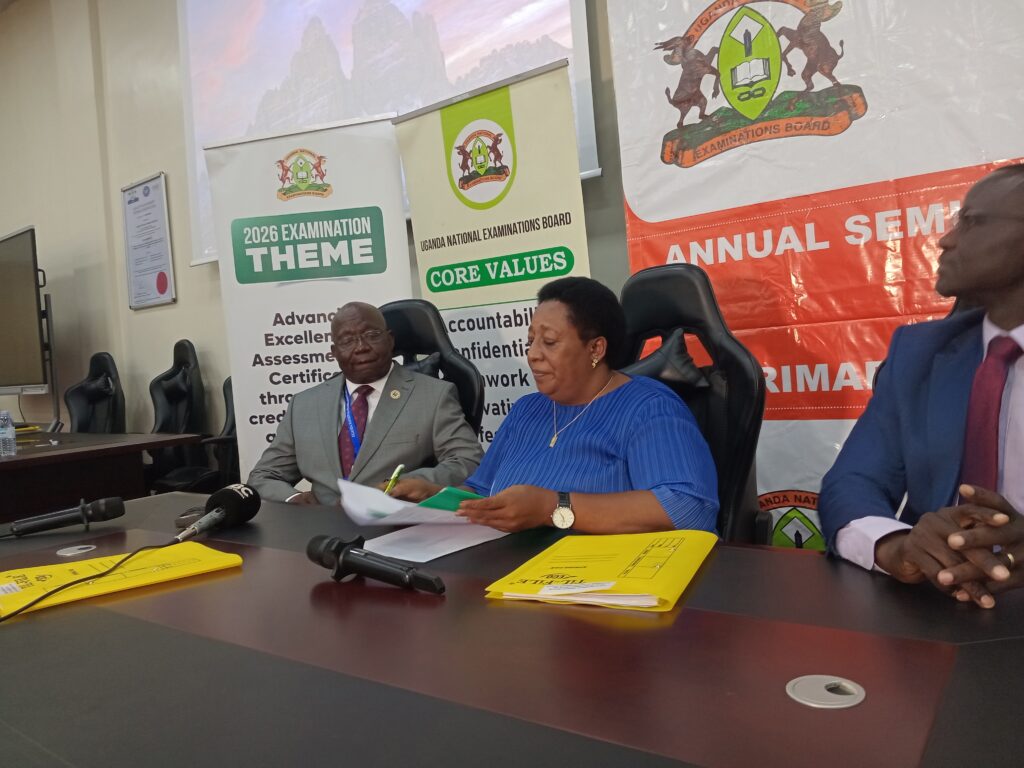
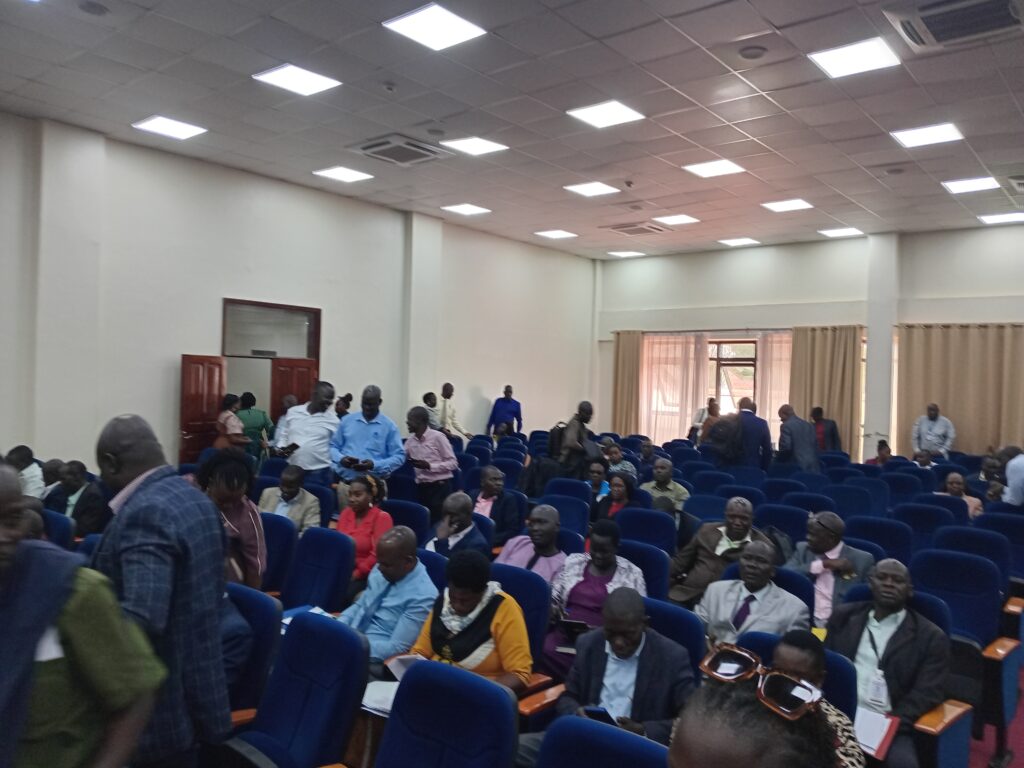
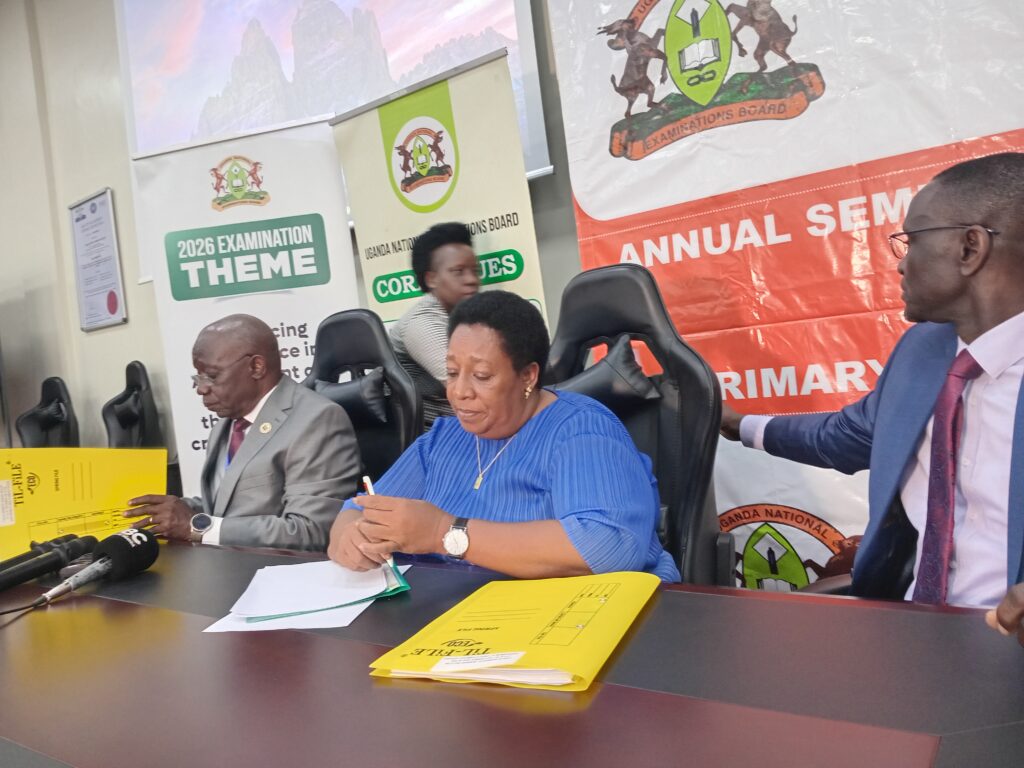
UNEB Executive Director Dan Nokrach Odongo issued the warning while speaking at the annual seminar for District Inspectors of Schools, Municipal Inspectors of Schools and City Inspectors of Schools on the management of the Primary Leaving Examination (PLE) at the UNEB Centre in Kyambogo.
Odongo said candidates who are discovered to have been wrongly registered as UPE learners will not be stopped from sitting their examinations, but the schools responsible will be required to refund the examination fees owed to UNEB.
He warned that where schools fail to pay, UNEB may withhold the candidates’ results until the outstanding fees are cleared.
“This is fraudulent. It is also covered in the UNEB Act, and we expect some of these cases to be subjected to the full force of the law,” Odongo said.
He said some private schools have been registering candidates as UPE learners even when parents have already paid examination fees of about Shs34,000, in addition to other school charges.

Odongo said UNEB had recently observed a rush by head teachers to correct such registrations, warning that late corrections attract additional charges.
Odongo also warned examination officials, head teachers and other education officers against involvement in examination malpractice, saying the problem has increasingly moved from outside examination centres into examination rooms.

He said some invigilators have allowed unauthorised people into examination rooms or have been compromised to assist candidates.
“The fight is not yet over. Malpractice is a crime, and like all other crimes of corruption and fraud, the fight has to be continuous,” he said.
He urged district inspectors and education officials to ensure that properly trained and credible personnel are selected and deployed to manage examinations.
Odongo also warned against candidate collusion, where learners help one another during examinations, saying schools should instil values of honesty and discourage cheating.
He said proper seating arrangements, adequate spacing of candidates and strict adherence to examination guidelines could further reduce malpractice.
Odongo revealed that some schools had been barred from hosting UNEB examinations after being implicated in malpractice.
He said UNEB’s Examination Security Committee can withdraw examination-centre status for periods ranging from one to five years, depending on the severity of the offence.
A school can only regain examination-centre status after UNEB conducts another assessment and is satisfied that the institution has addressed the weaknesses that led to the malpractice.
Odongo also raised concerns over alleged misuse of resources during the distribution of examination materials.
He said UNEB had discovered cases where two or three distribution routes were being allocated to different distributors who travelled in the same vehicle along the same route.
He said such practices create unnecessary costs and deny other districts that genuinely require additional distribution routes.
Odongo described the practice as bordering on fraud and urged district officials to ensure that distribution routes are genuine and efficiently managed.
On payment for examination markers and rising operational costs, Odongo said UNEB was reviewing the issue within the limits of its available resources.
He noted that examination fees were last revised in 2017, while operational costs have since increased.
He said UNEB had raised the matter with the Ministry of Finance and hoped the Government would provide additional funding, but could not confirm whether examination fees would be increased.
With warnings of possible heavy rains, Odongo urged districts to prepare contingency plans for the safe distribution of examination materials and movement of candidates.

He said floods, damaged bridges, impassable roads and landslides could disrupt examination operations, particularly in low-lying and mountainous areas.
Districts were asked to identify alternative routes and possible alternative examination centres in case schools are affected by floods.
Odongo said UNEB had applied to the Office of the Prime Minister for additional resources to help address possible weather-related challenges.
The Chief Guest, Ms Mary France Atima, Principal Inspector of Secondary Schools, who represented the Minister of State for Education, John Chrysestom Muyingo, urged district inspectors and school authorities to enforce regulations governing school operations.
Atima particularly warned against schools keeping learners in class late into the evening in preparation for examinations.
She said children should have adequate time to rest and should generally leave school at about 4:30pm, rather than being kept in class until late at night.
She cited complaints from parents about children, including girls, travelling home after 7pm and facing security risks.
She urged inspectors to hold schools accountable where learners are subjected to excessive teaching hours.
Atima also directed district inspectors to intensify inspections before examinations.
She said inspectors should check the suitability and security of examination rooms, candidates’ identities, seating arrangements, required facilities, special-needs access arrangements and the readiness of examination officials.
She warned that officers who neglect their duties or compromise examinations should face administrative and disciplinary action.
Atima further urged inspectors to monitor continuous assessment, warning that some schools could manipulate or inflate learners’ scores.
She said inspectors should ensure that schools are teaching effectively, maintaining proper records, providing meaningful assessment and feedback, and implementing the curriculum as required.
Both UNEB and the Ministry of Education urged district officials to ensure that the 2026 examinations are conducted securely, professionally and without malpractice.
Odongo said fraudulent examination results can hide genuine learning challenges because high pass rates obtained through cheating may give a false picture of educational achievement.
He said UNEB’s objective was to ensure that children receive results that genuinely reflect their performance and are placed in secondary schools where they can cope academically.
The officials also urged district leaders, security agencies, teachers, head teachers and examination officers to work together to protect the integrity of national examinations.
Odongo commended districts that had taken action against examination malpractice and expressed hope that the number of districts summoned to UNEB over malpractice would continue to decline.
He said UNEB would also continue working with the media to provide the public with accurate examination timetables and other official information to counter the circulation of fake examination materials on social media.