


9/7/2026
53 days after security agencies launched a high-profile money-laundering investigation against former Speaker of Parliament Annet Anita Among, security experts say fundamental procedural errors may have fatally undermined the case, potentially exposing the government to costly legal challenges even if the matter proceeds to trial. The experts argue that investigators departed from established procedures for handling money laundering cases by seizing assets before obtaining court orders to restrain them and before securing a conviction linking the property to proceeds of crime.
They say the approach risks rendering key evidence vulnerable to legal challenge and could leave the state liable for compensation if the affected parties successfully sue for violation of their rights.
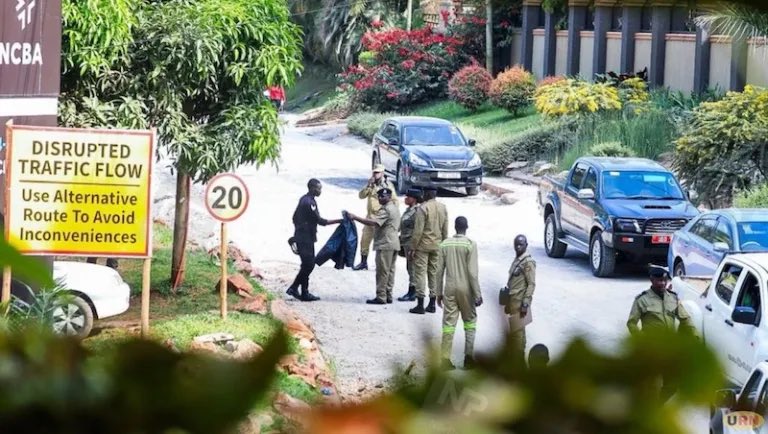
The investigation began on May 16, 2026. Since then, detectives from the Criminal Investigations Directorate (CID), forensic specialists and defence intelligence operatives have searched properties linked to Among in Nakasero, Kigo, Ntinda and Bukedea. They also seized six luxury vehicles, including her famous Rolls-Royce.
A retired senior CID detective who served during the tenure of Grace Akullo and private investigator Fred Egesa, both specialists in money laundering and corruption investigations, told URN that the investigation was marred by serious procedural defects.
They warned that the manner in which the probe was conducted could expose the government to expensive lawsuits should Among or her children challenge the handling of the case. Speaking on condition of anonymity, the retired detective explained that money laundering investigations are derivative in nature and are built on predicate offences such as theft, robbery, fraud or burglary. He said investigators must first establish that assets were acquired using proceeds of crime before seeking to recover them. “The proper procedure is to begin with asset tracing. Upon confirming ownership of a company, building or vehicles, investigators should seek a court restraining order to prevent the disposal of identified assets.
The money laundering case is then presented in court, and upon conviction, asset recovery is pursued,” he said.
According to the detective, investigators reversed the legally accepted sequence.
“All the required procedures were ignored. They did at the beginning what should have been done at the end. The standard money laundering investigation process is asset tracing, freezing, prosecution and recovery,” he said.
He argued that assets cannot legally be confiscated before a court determines that they are proceeds of crime.
“Given her position, I doubt she wants to be in conflict with government. But you cannot confiscate assets without a court conviction establishing that they are proceeds of crime. In this instance, however, the process began with confiscation.
If you seize someone’s property without convincing court that it’s proceeds of crime, you give them grounds to sue government. And if they win for violation of their rights, the financial hit to government can be huge,” he added.
The retired detective also questioned the decision to keep Among’s seized vehicles at Naguru police forensic services unit, arguing that the facility lacks the technical capacity to maintain or assess high-value vehicles
He said confiscated assets awaiting court determination should instead be placed under the custody of an independent institution with the expertise to preserve them.