

Speaker Oboth Declares War on Witchcraft in Parliament, Sparks National Debate
Uganda’s political discourse has once again been stirred after Speaker of Parliament Jacob Marksons Oboth Oboth called for prayers for Parliament, warning against what he described as the influence of witchcraft within the country’s highest legislative institution.
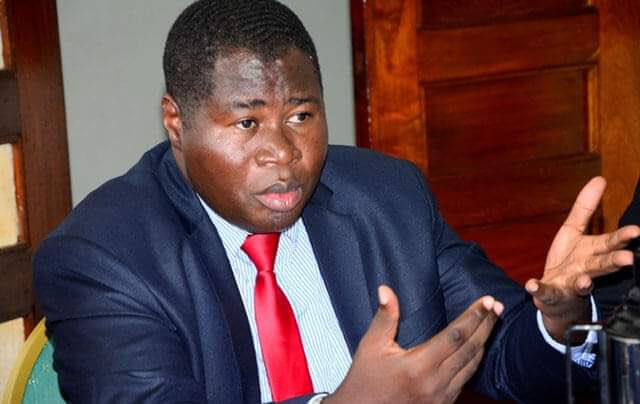
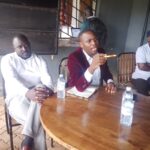
Speaking during a thanksgiving ceremony for State Minister for Agriculture Desire Muhooza held in Kampala on 8th June 2026, the Speaker urged religious leaders and Ugandans to actively pray for the nation’s leadership and institutions.
“Pray for the leadership of this nation; pray for Parliament such that that place should not be a place where witchcraft is exalted. It should be a place of praise, power, and where good laws are made,” Oboth Oboth said.
His remarks immediately sparked public debate, reviving long-standing discussions about the alleged presence of spiritual practices and supernatural beliefs within Ugandan politics.
Although such claims are often difficult to verify, discussions about witchcraft, traditional shrines, and spiritual consultations have periodically surfaced in Uganda’s political landscape, particularly during election seasons.
Over the years, various political figures and their supporters have been accused “often informally” of seeking spiritual protection or consulting traditional healers in efforts to influence electoral outcomes or secure political power.
Similar beliefs are also reported in other African countries, where political competition is sometimes accompanied by accusations of spiritual warfare and ritual practices. Analysts note that these perceptions continue to shape how sections of the public interpret leadership success and failure.
Religious leaders in Uganda have consistently cautioned against reliance on witchcraft, instead urging leaders to embrace integrity, accountability, and faith as guiding principles in public service.
Oboth Oboth was elected Speaker of the 12th Parliament on 25th May 2026, following a decisive victory at the inaugural sitting held at Kololo Ceremonial Grounds in Kampala. He secured 441 votes, defeating opposition candidates including Paul Mwiru and Democratic Party president Norbert Mao.
His election came after months of speculation and political negotiations over the succession of the former Speaker, Anita Among, who had been widely expected to defend her position before later withdrawing from the race.
Reports at the time indicated that internal consultations within the ruling National Resistance Movement shifted support toward Oboth Oboth, paving the way for his overwhelming victory.
By Skynewsug.com