

Mugula Dan
22/10/2026
KAMPALA, October 22, 2026 — Uganda will host the 2026 National Agroecology Week of Action from October 26 to 30 at Hotel Africana in Kampala, bringing together more than 1,500 farmers, policymakers, researchers, entrepreneurs and development partners to promote sustainable agriculture, food safety and resilient food systems.
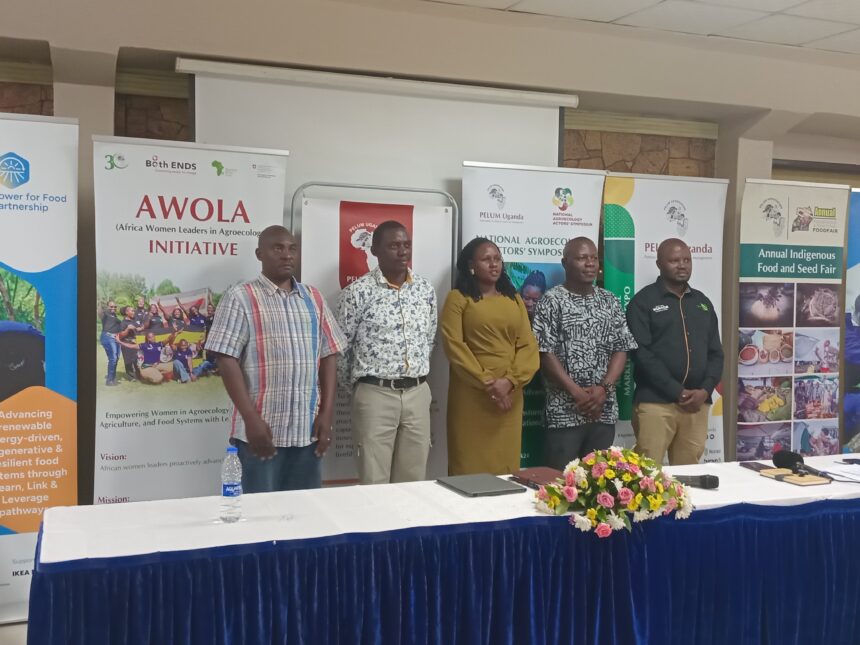
The five-day event, organised by Participatory Ecological Land Use Management (PELUM) Uganda in collaboration with the Ministry of Agriculture, Animal Industry and Fisheries, the Ministry of Trade, Industry and Cooperatives, and other partners, will focus on expanding agroecological practices, strengthening markets for sustainably produced food and improving farmers’ livelihoods.
Held under the theme “Accelerating a Just and Resilient Food Future: Collective Agroecological Action, Policy Action and Market Synergies,” the event seeks to connect sustainable food production with supportive policies, viable markets, biodiversity conservation and inclusive economic opportunities.
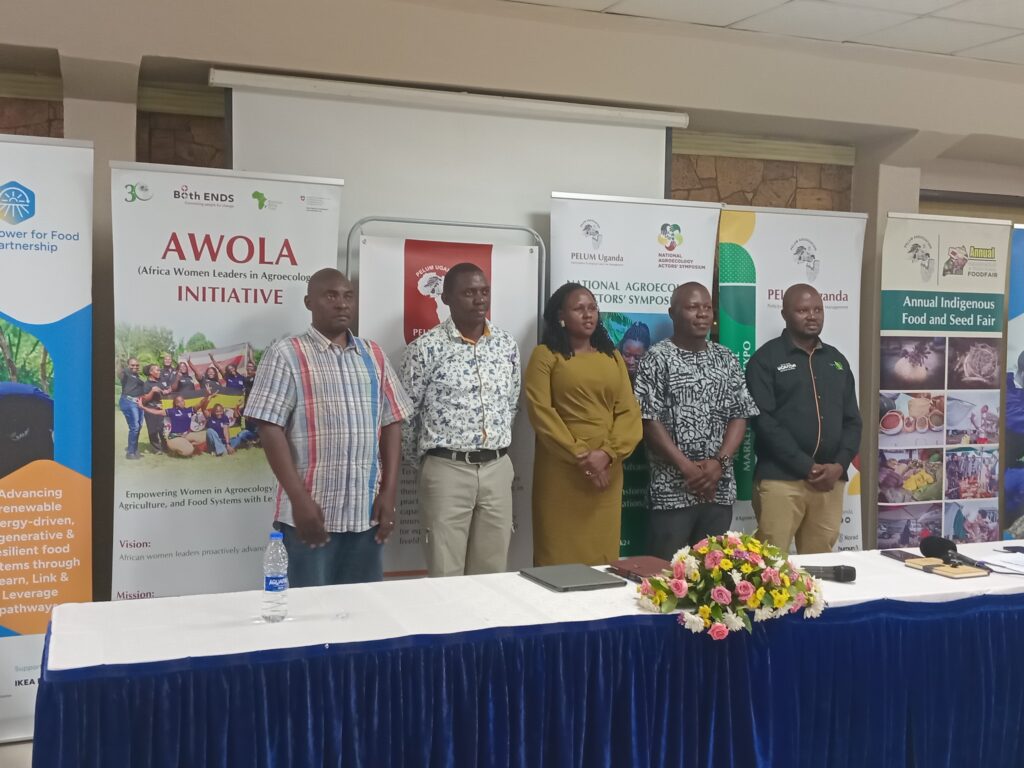
PELUM Uganda board chairman Edward Mukiibi said the initiative would provide a platform for farmers and other stakeholders to share practical solutions, strengthen partnerships and translate policy commitments into action.
“Uganda’s food future depends on our ability to protect biodiversity, support farmers and build food systems that nourish people while sustaining the environment,” Mukiibi said.
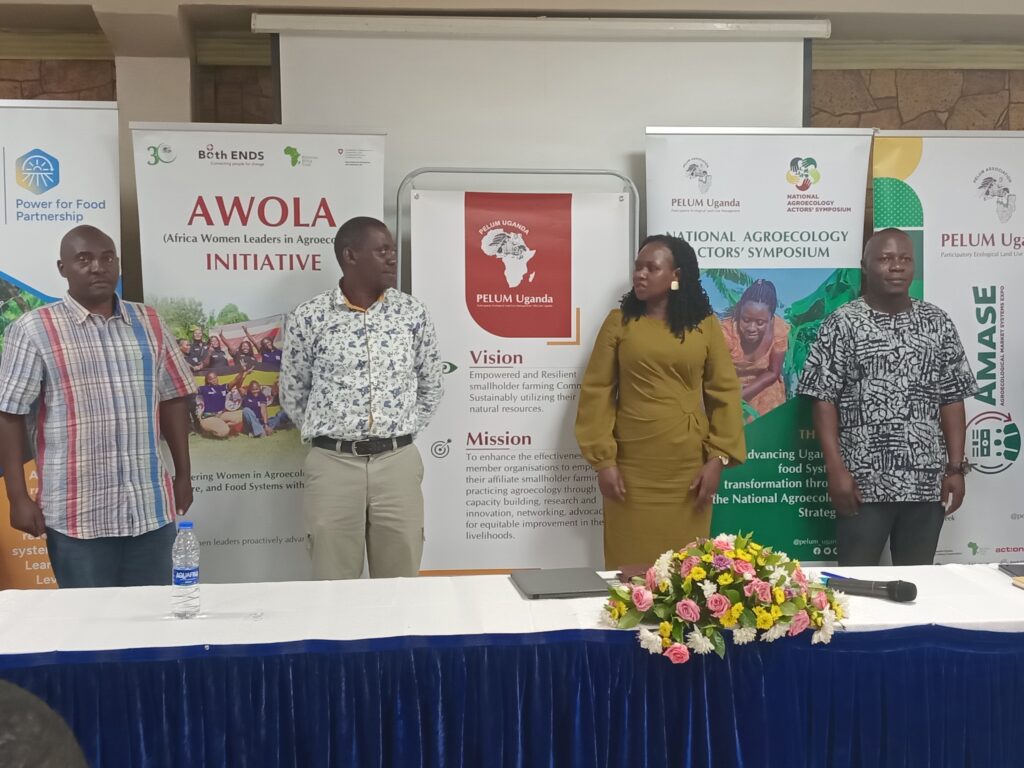
He added that agroecology should be recognised not only for its contribution to sustainable food production but also for its potential to improve household incomes, create business opportunities and preserve Uganda’s food heritage.
The event comes amid growing concerns about food prices, the cost of agricultural inputs, pesticide use and the safety of food reaching consumers. Organisers say agroecology offers opportunities to address these challenges by promoting environmentally friendly production methods, traditional knowledge and stronger local food markets.
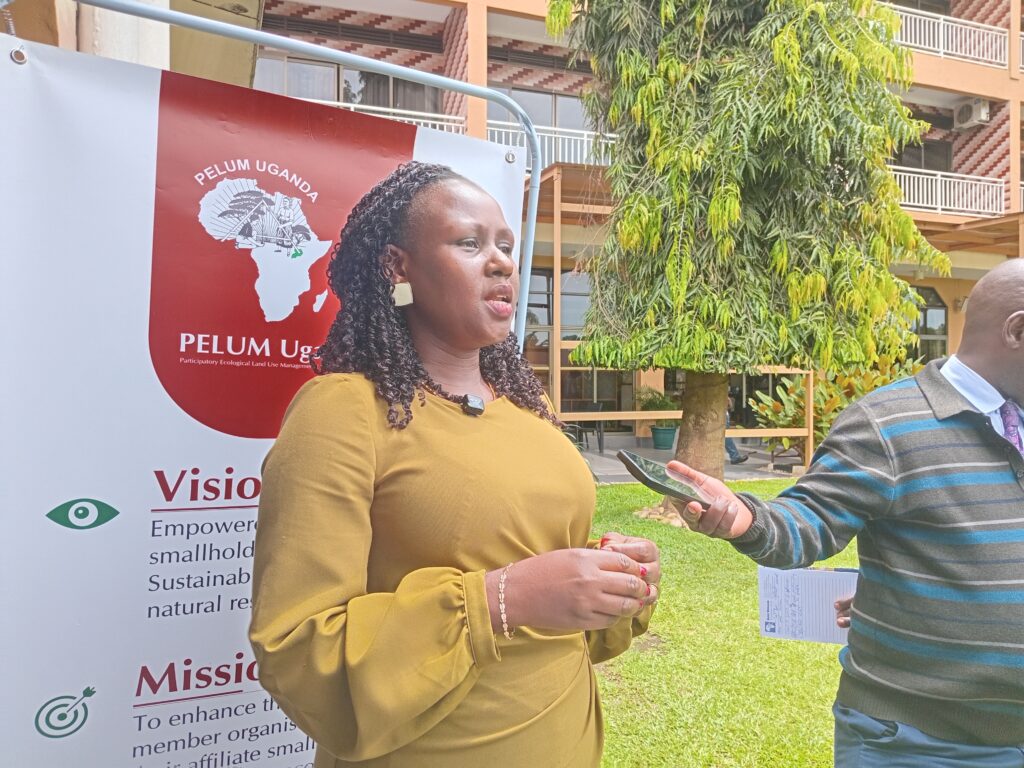
Speaking to journalists in Kampala, PELUM Uganda country coordinator Josephine Akia Luyimbazi said unsafe pesticide use remained a major concern, particularly when farmers or traders sprayed vegetables without observing the recommended interval between application and harvesting.
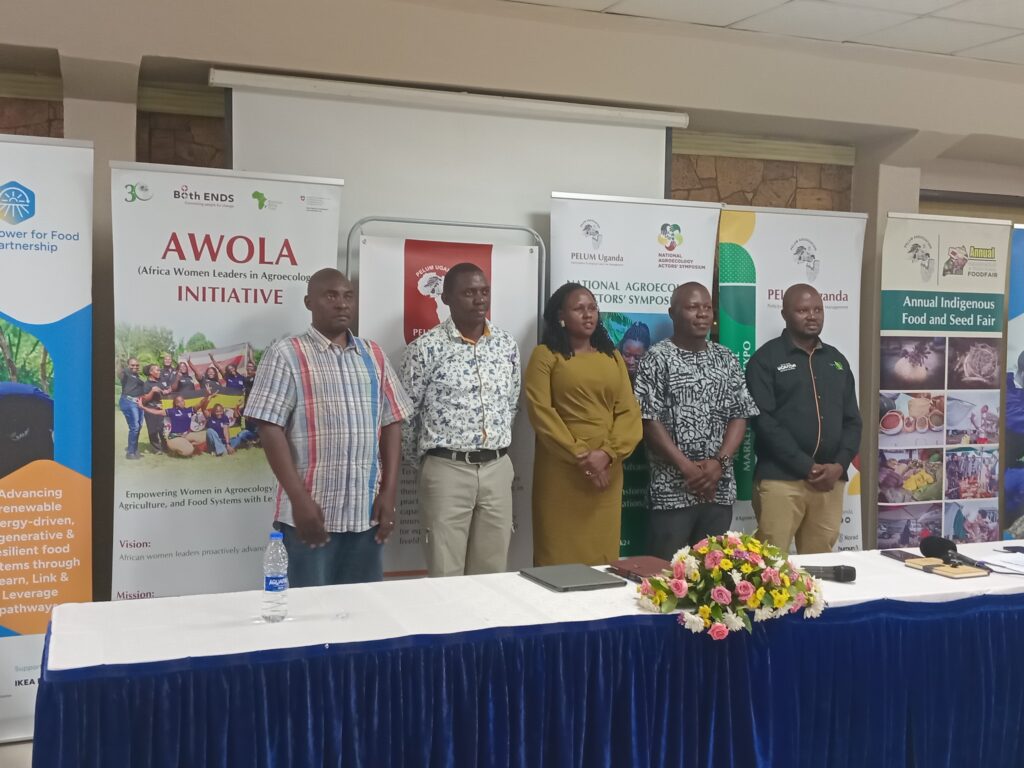
She said agroecology promotes food safety by equipping farmers with knowledge of safe production practices and alternative methods of controlling pests and diseases.
“Sometimes you find tomatoes in the market that are sprayed within the box or within the market. This is not the system that we want,” Luyimbazi said, warning that inappropriate chemical use could expose consumers to health risks and contribute to wider public health challenges.
She said the Agroecology Week of Action would give farmers opportunities to exchange knowledge and learn from those successfully managing pests without relying on synthetic or highly hazardous pesticides.
Luyimbazi added that the transition from conventional, chemical-intensive farming to more resilient food systems would take time because existing practices had become deeply established in agricultural production.
She encouraged consumers to reconsider the demand for visually perfect produce, noting that minor blemishes do not necessarily mean vegetables are unsafe or unsuitable for consumption.
The event will also showcase innovations in biopesticides, biofertilisers and other agroecological inputs designed to help farmers improve production while protecting the environment and consumer health.
Organisers say high production costs remain another challenge, with the prices of fertilisers, pesticides and other agricultural inputs affecting the final cost of food.
Representatives of agricultural stakeholders said certification requirements and other procedures involved in bringing agricultural inputs to market could also contribute to costs, making it difficult for farmers to produce affordably while earning sustainable incomes.
They called for stronger collaboration between government agencies, farmers, researchers and private-sector players to improve access to suitable inputs and make agricultural production more affordable.
Despite these challenges, organisers said Uganda had significant opportunities to expand agroecological enterprises and benefit from growing demand for sustainably produced food.
They pointed to opportunities in local and international markets for fresh produce, processed foods, indigenous crops and traditional food experiences. Matooke, vegetables, pumpkins and other locally produced foods could contribute to household food security while creating income opportunities for farmers and traders.
Ruhakana J. Tarremwa said the growing interest in traditional and organically produced foods presented opportunities for farmers, entrepreneurs and tourism operators.
He cited estimates of the global food tourism market running into trillions of dollars, arguing that Uganda could attract visitors interested in its indigenous foods, culinary traditions and agricultural heritage.
Tarremwa encouraged farmers to attend the event to learn about environmentally friendly farming practices and discover locally produced agricultural inputs. Traders, meanwhile, would have opportunities to meet suppliers, explore partnerships and identify markets for fresh and processed products.
He also urged schools, universities and other educational institutions to participate, saying the event would provide opportunities for learning, research and knowledge exchange.
The 2026 Agroecology Week of Action will feature three major activities: the Eighth National Agroecology Actors Symposium, the Fifth Agroecological Market Systems Expo and the 16th Indigenous and Traditional Seed and Food Festival.
The National Agroecology Actors Symposium and the Agroecological Market Systems Expo will take place on October 28.
The symposium, under the theme “Transforming Uganda’s Agro-Food Systems: Advancing Agroecology under the Kampala Commitment,” will focus on policy dialogue, evidence sharing and the implementation of agroecological approaches in national and regional agricultural development.
Discussions will address policy coordination, institutional support and commitments to improve agricultural productivity, investment, food and nutrition security, resilience and governance.
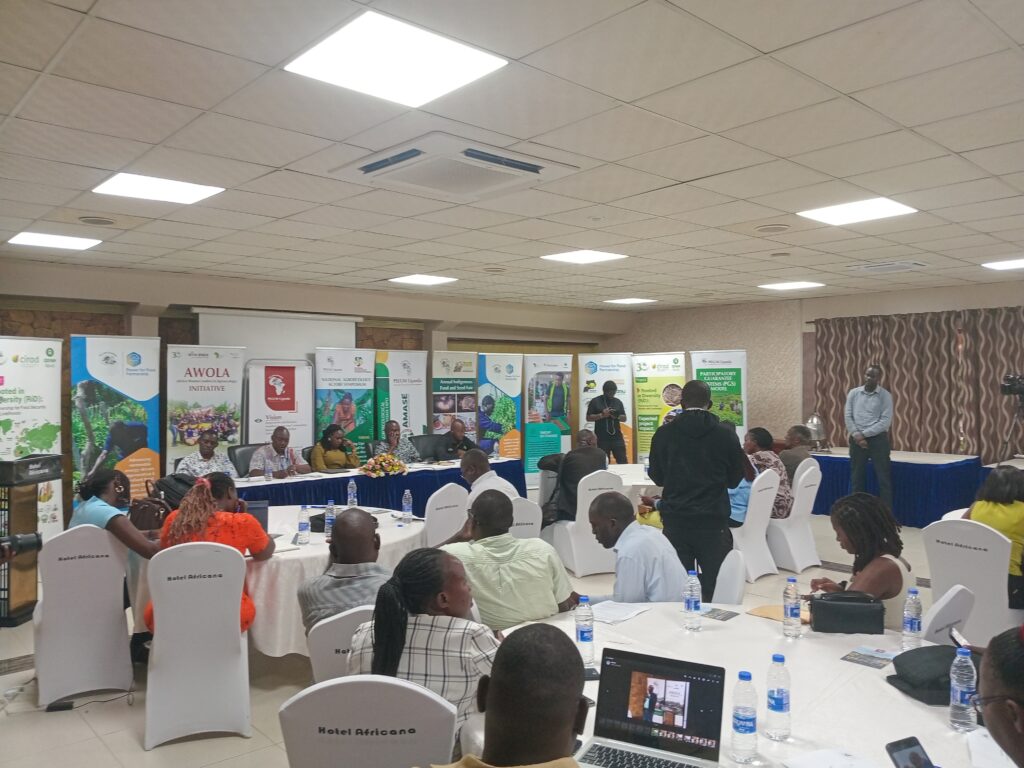
The Agroecological Market Systems Expo, held under the theme “Building Strategic Partnerships for Resilient Agricultural Enterprises and Sustainable Market Systems,” will showcase agroecological products, businesses and innovations.
It will also create opportunities for business-to-business engagement, enterprise development and partnerships connecting farmers, processors, retailers, institutional buyers and consumers.
The expo will feature the launch of the Enterprise Readiness Partnership Facilitation and Uptech Acceleration Assessment Report, alongside discussions on opportunities linking regenerative agriculture with the productive use of renewable energy.
The 16th Indigenous and Traditional Seed and Food Festival will run from October 29 to 30 under the theme “Our Seeds, Our Food, Our Heritage: Cultivating Climate Resilience through Culture and Tradition.”
The festival will feature exhibitions of indigenous seeds and traditional foods, cooking demonstrations, food tasting and knowledge-sharing sessions highlighting the role of local food systems in nutrition, climate resilience and cultural identity.
Particular attention will be given to women and older farmers who preserve traditional seeds and pass agricultural knowledge to younger generations.
According to PELUM Uganda, previous editions of the Agroecology Week of Action have helped raise awareness, strengthen partnerships, increase membership and encourage more farmers to adopt agroecological practices.
The organisation has also recorded growing demand for agroecological products, with some member organisations establishing dedicated markets for fresh and processed produce.
One such market operates every Saturday near the American Embassy in Kampala, offering agroecological and organic products. Other member organisations have established local markets to connect farmers directly with consumers.
Organisers say the growing demand demonstrates the need to strengthen distribution channels, financing, value addition and market access so that farmers can earn better incomes while consumers obtain safe and nutritious food.
Uganda’s agricultural sector remains a major source of employment and livelihoods. World Bank data based on international estimates indicate that approximately 65 per cent of the country’s employment was in agriculture in 2025, highlighting the sector’s importance to economic development and rural communities.
The organisers said the event would provide an opportunity to connect Uganda’s agricultural priorities with international commitments on food security, sustainable production and climate resilience.
PELUM Uganda and its partners have invited government institutions, civil society organisations, farmer groups, researchers, development partners, private-sector actors, media organisations and consumers to participate.
They said the ultimate goal was to move beyond discussions towards practical commitments that support farmers, strengthen markets, protect biodiversity and build a healthier and more resilient food system for Uganda.