


10/7/2026
Uganda targets to collect 20% of GDP up from 14% in the medium term to reduce reliance on borrowing, Finance Minister Henry Musasizi has said.
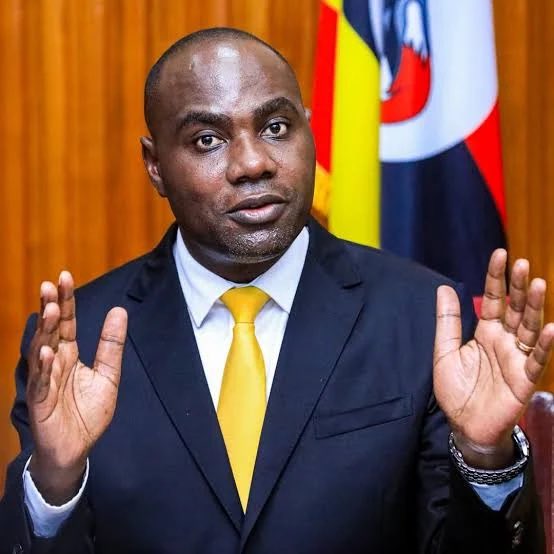
Officiating at the Uganda Revenue Authority (URA) FY 2026/27 post budget breakfast dialogue and the launch of the URA service charter, Musasizi said that this will be achieved through digital transformation, formalisation, coordination, rationalization of tax policy and transforming client experience.
He said that Government targets domestic revenue of Shs 45.96 trillion, in FY 2026/27 of which Shs 40.16 trillion will come from tax revenue, adding that these resources will finance investments required to sustain Uganda’s transformation agenda while maintaining fiscal sustainability.
“To every Ugandan, to pay taxes is not merely a legal obligation, but a contribution towards the collective future of our country. Every compliant taxpayer is a partner in national development,” Musasizi said.
He said countries that have successfully transformed their economies have done so by progressively strengthening their ability to finance development from their own resources.
Uganda’s budget for the FY 2026/27 is shs 84.3 trillion. The budget will be financed through domestic revenue, and other sources of funding which include domestic borrowing of Shs11.97 trillion, external project support of Shs11.27 trillion, domestic refinancing of Shs13.97 trillion, petroleum revenues of Shs1.44 trillion, budget support grants of Shs1.22 trillion and local government revenues of Shs339 billion.
The Government remains firmly committed to implementing the second Domestic Revenue Mobilisation Strategy. We recognize that sustained development cannot rely indefinitely on borrowing or development assistance alone,” Musasizi said.
He noted that the budget will prioritise investment in sectors that have the greatest potential to transform Uganda’s economy; Agro-industrialisation, Tourism development, Mineral-based industrialisation, and Science, Technology & Innovation (ATMS).