


By our Reporter
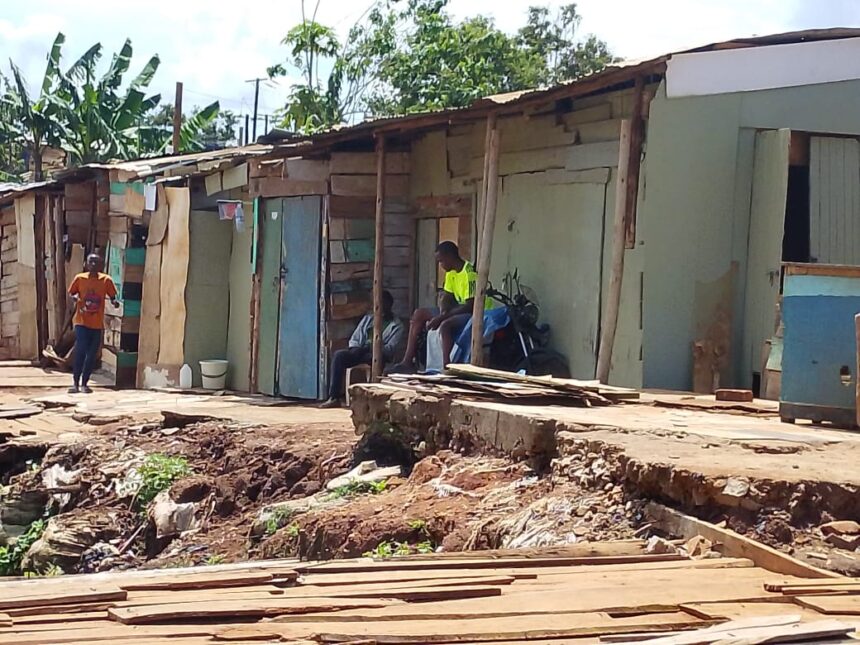
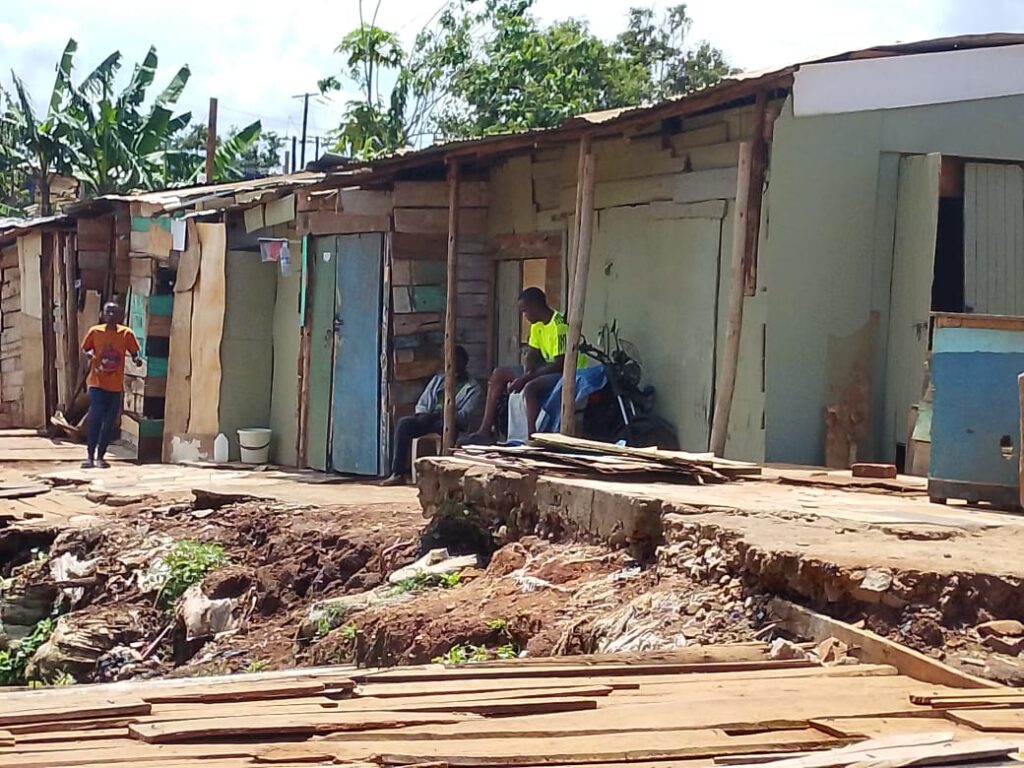
Youth operating businesses at a ghetto in Kireka B, Namugongo Division, Kira Municipality, have appealed to the government to intervene following an eviction notice reportedly issued by railway authorities, giving them only seven days to vacate the area and remove their property.
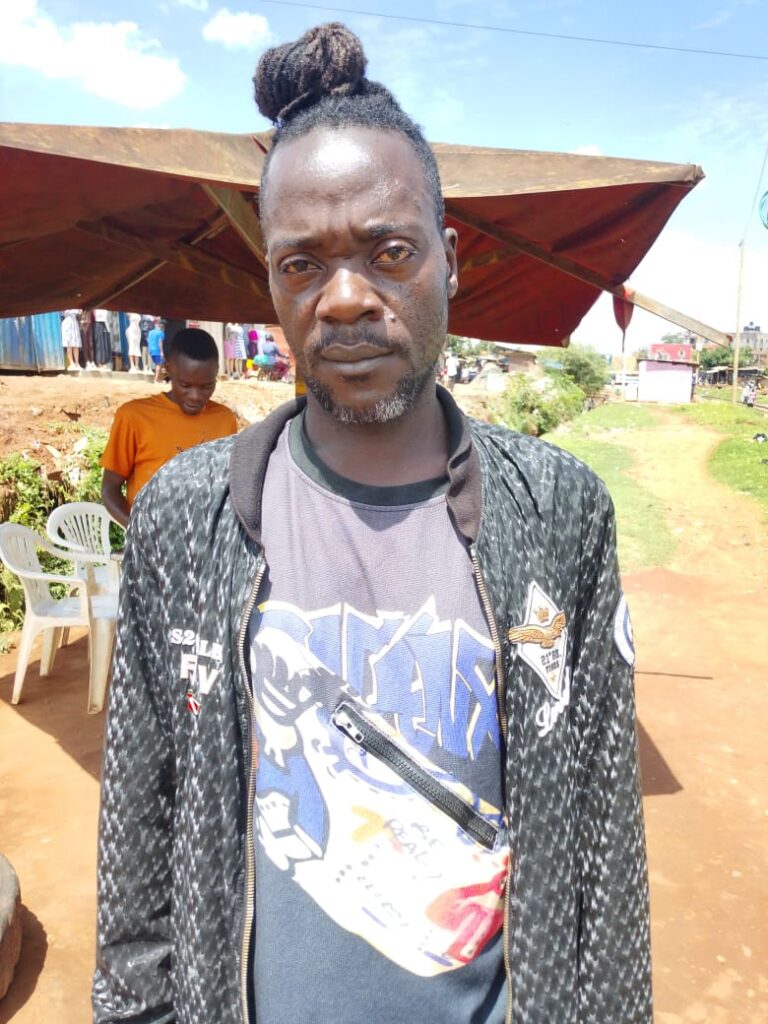
The youth, led by their chairperson, David Lukwago, say the planned eviction threatens their livelihoods and could undermine efforts to rehabilitate young people who had previously been involved in criminal activities.
Lukwago said more than 500 young people had abandoned street crime and turned to small-scale businesses after organising themselves into a savings and credit cooperative, Ghetto SACCO.
He explained that some of the youth had previously been involved in robbing and assaulting people travelling along roads at night. However, through collective efforts, they formed the SACCO and received Shs100 million in government funding, while others benefited from the Parish Development Model (PDM) and Emyooga programmes.
According to Lukwago, the financial support enabled them to establish small businesses, including boutiques, retail shops and other income-generating activities, giving them an opportunity to earn a living and improve their welfare.
However, he said repeated eviction operations by railway authorities had disrupted their businesses, forcing them to start over several times.

Lukwago added that the latest notice had left the youth uncertain about their future, warning that evicting them without providing an alternative could reverse the progress made in reducing crime in Namugongo Division.
He said the current eviction threat would mark the fourth time in two years that the youth had been forced to leave the area, a situation he described as increasingly difficult for young people trying to build sustainable livelihoods.
The youth have appealed to the government to intervene and engage the relevant authorities to find a lasting solution that allows them to continue their businesses without repeated disruption.
Meanwhile, John Muwonge, a trader operating in the affected area, said an eviction would put their livelihoods at risk and expressed concern that some of the affected youth could return to violent activities if they lost their sources of income.
The railway authorities’ position on the planned eviction and whether alternative arrangements have been considered for the affected traders was not included in the account.