

2/7/2026
The fight against corruption and the effectiveness of the decentralisation policy dominated discussions during the induction of the 12th Parliament, with MPS questioning whether anti-graft institutions are doing enough to hold powerful public officials accountable. The debate about corruption emerged during a session on leadership, governance and accountability.
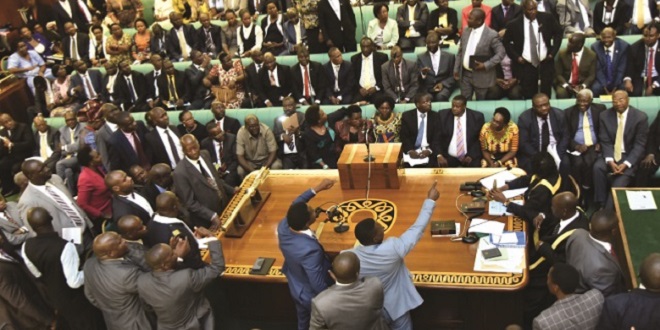
Members of Parliament across the political divide challenged the Inspectorate of Government (IG) over its record in combating corruption, while senior public service officials called for stronger oversight and reforms to improve service delivery. Paul Omara, the Otuke County member of parliament, questioned whether the IG was fully exercising its constitutional independence in tackling corruption.
He noted that previous reports by the former Inspectorate of Government, Betti Olive Kamya, estimated Uganda loses up to 10 trillion shillings annually through corruption, while successive Auditor General’s reports continue to expose cases of stolen public funds, shoddy works, incompetence and unexplained expenditure across government institutions.
Omara challenged the IGG to explain whether it had investigated and prosecuted senior public officials implicated in corruption, saying high-profile prosecutions would serve as a deterrent.
We haven’t seen anywhere… Can the IGG tell us whether they have investigated and prosecuted big names where public servants have stolen money, which would ordinarily act as a deterrent? Are you exercising your independence? Are you really doing your work?” he asked.
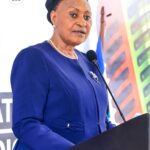
Responding to the concerns, Deputy Inspector General of Government (DIGG), Dr. Patricia Achan Okiria, defended the institution’s record, saying the IG works closely with the Office of the Auditor General and the Public Procurement and Disposal of Public Assets Authority (PPDA) to investigate cases arising from audit findings.
She said the Inspectorate has recovered billions of shillings lost through corruption, prosecuted numerous cases and initiated investigations on its own, rejecting suggestions that it only acts after receiving directives from the President. “We don’t only wait for His Excellency to bring matters to our attention. We take on cases even at our own initiative, and that is all evident in our reports,” she said.
She urged MPs to play a more active role in fighting corruption by reporting wrongdoing and supporting oversight institutions.
We all have a collective responsibility to fight corruption,” she said, noting that public participation remains essential in exposing abuse of office and misuse of public resources.
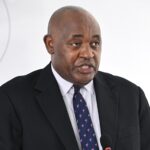
Former Attorney General Fred Ruhindi reinforced the call for stronger accountability, arguing that corruption should be viewed as theft from ordinary Ugandans rather than merely an ethical lapse.
And I’m going to say this, not because I’m holier than thou. No one here is holier than thou. We are guilty as charged, like our former Speaker, the late Honourable Olanya would say. But we must move on; we must work,” Ruhindi said.
He argued that a functioning democracy must guarantee service delivery, accountability and the rule of law, urging Parliament to strengthen institutions capable of checking abuse of public resources. “And by the way, corruption, why do we talk about corruption? Corruption is euphemism. Like in law, we talk about canal knowledge; that’s euphemism. Corruption is actually theft. It is robbery. Our people need services,” adding that corruption deprives citizens of critical public services and weakens democracy.