


Daniel Mugula
16/10/2026
Kampala, Uganda — Traders under the Kampala City Traders Association (KACITA) and other business groups have resolved to present their grievances to the Uganda Revenue Authority (URA) Commissioner General, demanding urgent intervention over delays in the movement of goods, rising operational costs and changes in tax clearance procedures that they say are threatening their businesses.
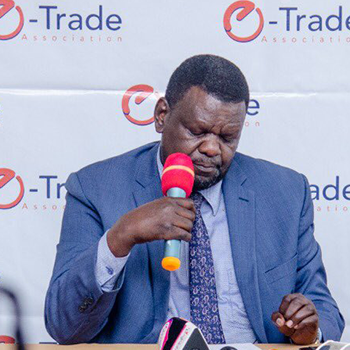
Issa Sekito- KACITA
The traders, led by KACITA Acting Chairperson Issa Sekito, want the Commissioner General to meet them at URA offices at 9am on Thursday to explain the challenges surrounding the current importation and tax clearance arrangements and provide solutions to the concerns affecting the business community.
Speaking at a press briefing at KACITA headquarters in Kampala, Sekito said the traders had agreed to combine their concerns in a formal communication to the Commissioner General, expressing dissatisfaction with the way the matter had been handled and calling for immediate action.
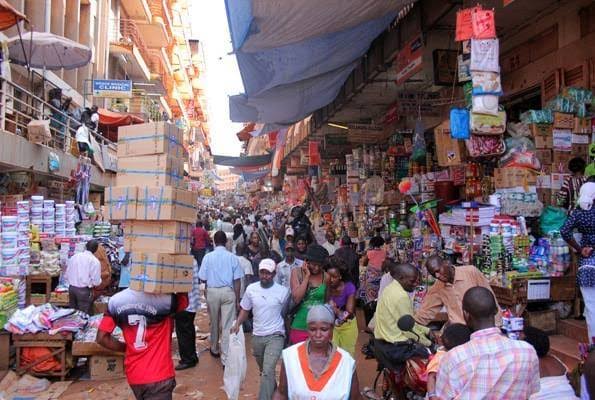
He said the association, as the convener of the meeting, stood with the affected traders and would ensure that their resolutions were communicated to the relevant authorities.
“We want the Commissioner General to hear directly from the aggrieved traders and the entire business community. Our letter will contain all the resolutions, and we expect the authority to listen to the people whose livelihoods are at stake,” Sekito said.
He warned that traders were losing capital as their goods remained stuck, with the delays threatening their ability to recover investments and prepare for the busy end-of-year trading season.
According to Sekito, transport operators in Nairobi can no longer load goods destined for Uganda under instructions from Ugandan authorities, further disrupting the movement of merchandise despite traders’ efforts to comply with the House Bill of Lading arrangements.
He said traders had expected the adoption of the House Bill of Lading to improve the clearance process, but concerns remained over whether the changes had delivered the promised benefits.
Sekito urged URA to address the challenges urgently, warning that prolonged delays and additional expenses could further weaken businesses already struggling with high operational costs.
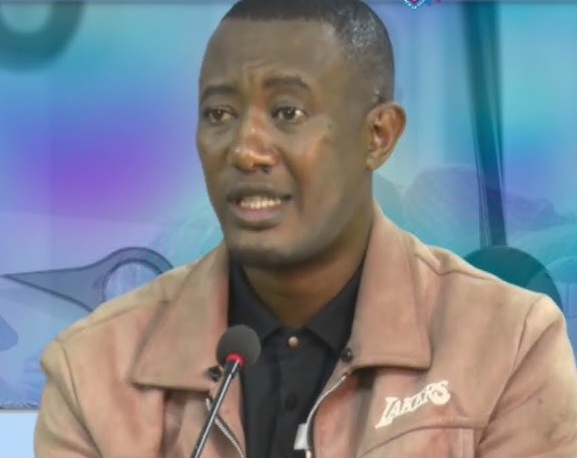
Edward Ntale-(UATEA )
Edward Ntale, chief executive officer of the United Arcaders Entrepreneurs Association (UATEA), also criticised the current arrangements, questioning whether regional economic integration was still delivering meaningful benefits to small-scale traders.
Ntale said traders had expected East African integration to make cross-border commerce easier, reduce barriers and expand business opportunities. Instead, he argued, many small traders were struggling with what they consider costly and burdensome procedures.
He called on URA and the Ministry of Finance to reconsider the changes and allow small-scale traders to continue using the tax payment system they had previously relied on.
Ntale argued that traders carrying small quantities of merchandise in sacks should not necessarily be subjected to the same arrangements as importers bringing in full containers, saying the difference in the scale of their operations should be taken into account.
“The small traders need an environment in which they can continue doing business normally. We are ready to pay taxes, and we have been paying, but our concerns are not being heard,” Ntale said.
He added that the strength of the US dollar, high transport costs and changes in the movement of goods between customs bond facilities were increasing the financial burden on traders.
Ntale also raised concerns about the relocation of goods from Nagawa to other customs bond facilities, saying the additional distance was contributing to higher transportation expenses at a time when businesses were already under pressure.
He said even traders importing containers from China were facing significant financial difficulties, with some having already committed substantial sums of money and taken out loans before encountering further complications in the clearance process.
Ntale questioned why traders who had already paid for their goods continued to face multiple enforcement interventions, arguing that the situation was creating uncertainty and discouraging some businesspeople from continuing with their trading activities.
He appealed to URA and the Ministry of Finance to review the measures, engage directly with traders and introduce arrangements that take into account the different categories and capacities of importers.
The planned meeting at URA is expected to provide traders with an opportunity to present their concerns collectively and seek clarification from the authority on the disputed procedures.
The traders say they remain willing to fulfil their tax obligations but want a system that allows them to operate sustainably without unnecessary delays and escalating costs.
Their appeal comes as businesses seek to protect their capital, maintain the flow of goods and position themselves for the end-of-year trading season, a period when many traders depend on increased commercial activity to recover investments and meet financial commitments.
The business leaders have urged all affected traders to attend the planned engagement, saying their objective is to secure a lasting solution through direct dialogue with the authorities.
URA had not provided a response in the account of the press briefing supplied for this report.