

By Skynewsug.com
20/10/2026
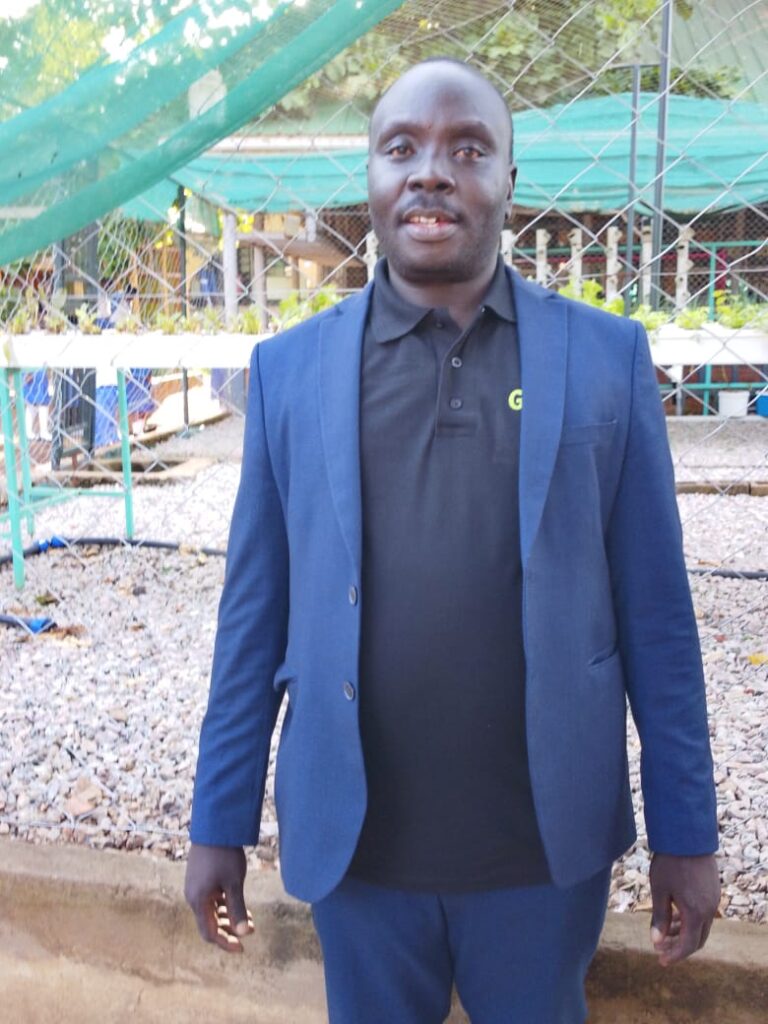
The headteacher of St Kizito High School Namugongo, Ezekiel Kazibwe, has urged the government to educate the public on how to turn waste into charcoal briquettes and organic manure as part of efforts to protect the environment and promote sustainable waste management.
Kazibwe said the school introduced a practical skills project in 2015 to teach students modern farming methods and how to transform waste into useful products, including alternative cooking briquettes.
He explained that the initiative aims to equip learners with practical skills while encouraging environmental conservation through proper waste management and recycling.
According to Kazibwe, the school produces briquettes from dried banana peelings and other organic waste. The waste is processed into a carbon-rich material that is used to manufacture the briquettes.
He called on the government to support public education programmes on waste recycling and value addition, saying the initiative could help communities turn waste into useful products while reducing environmental pollution. He added that the school was willing to train members of the public interested in learning how to produce briquettes.
Kazibwe also welcomed the government’s move to restrict charcoal produced from trees, saying alternative briquettes could help reduce pressure on forests. He revealed that the school uses the briquettes to prepare meals and tea for more than 1,500 students over three school terms, saving money that would otherwise be spent on conventional charcoal or firewood.
His remarks come amid public concern over restrictions on charcoal burning and transportation announced by police spokesperson Kituuma Rusoke during a press briefing at police headquarters in Naguru. The announcement sparked concern among some Ugandans who say alternative energy sources, including gas and electricity, remain too expensive for many households.
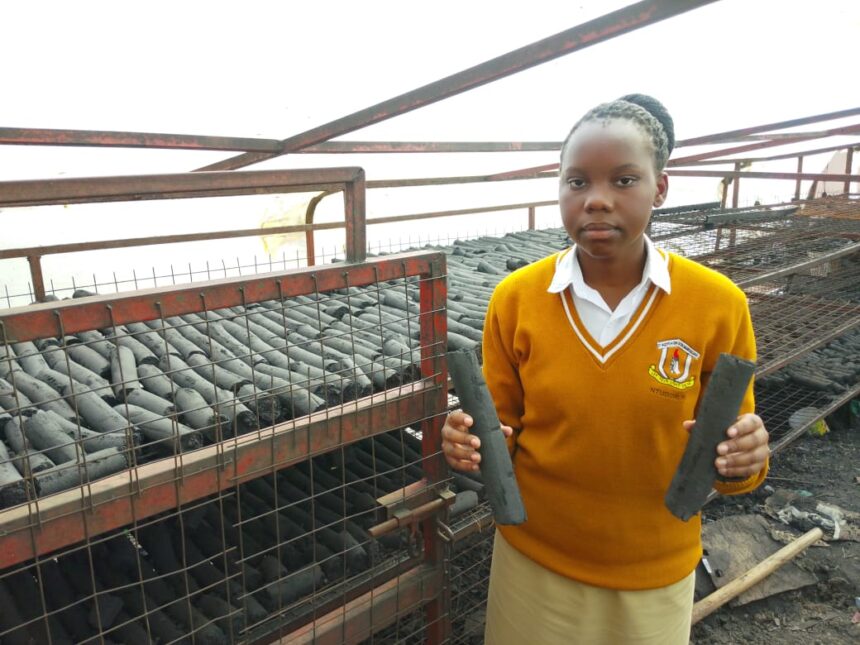
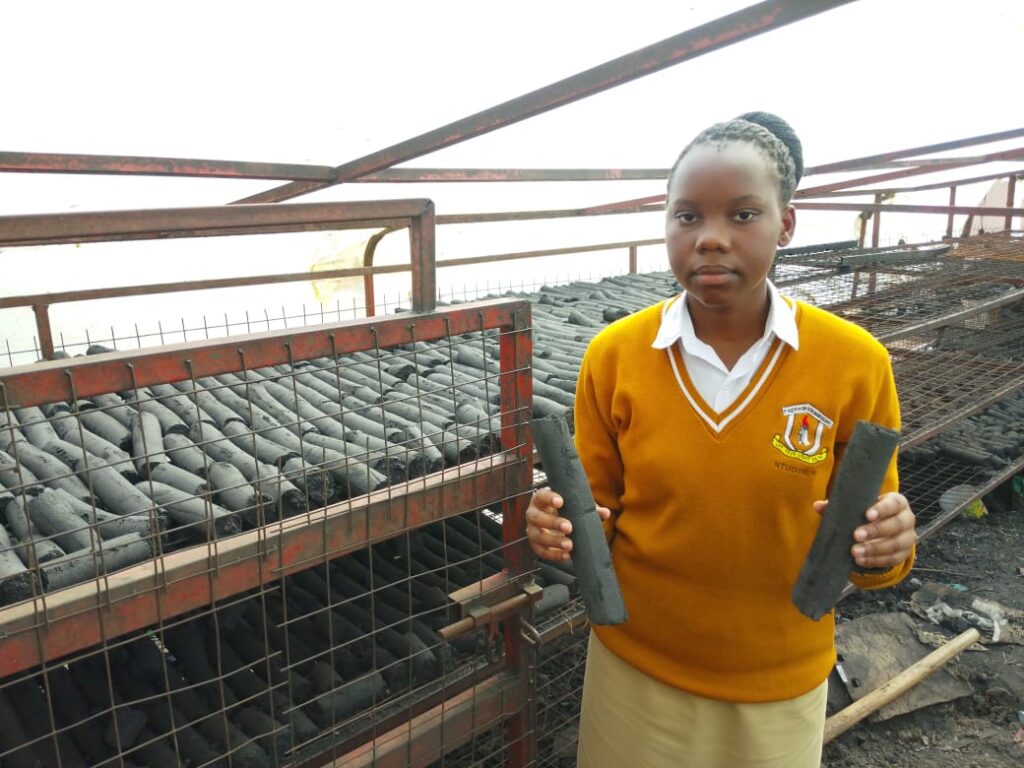
Barbara Ntudde, a Senior Six student at St Kizito High School who coordinates the students’ projects, explained the process through which the school converts waste into briquettes.
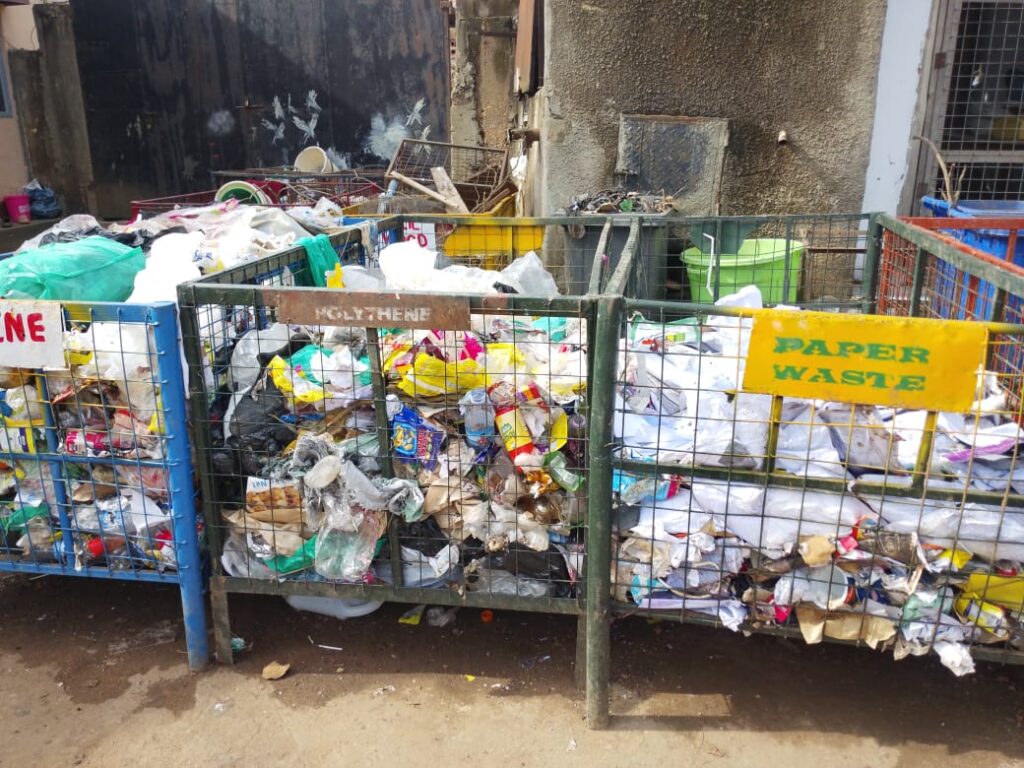
She said the school places waste in separate bins to ease sorting, with plastic bottles collected separately from food leftovers, banana peelings and other biodegradable materials.
The organic waste is then processed through a carbonisation process to produce charcoal-like material, which is taken to a briquette-making facility for further processing.
Ntudde said the school works with a factory where the material is compressed into briquettes using specialised machines operated by more than four workers, whose salaries are paid by the school.
She explained that briquettes can be made manually or using machines, depending on the available resources and production capacity.
After production, the briquettes are spread on raised drying racks made with metal frames and wire mesh and left to dry in the sun. The drying process takes about three days during sunny weather but can extend to two weeks during the rainy season.
Andrew Twinomugisha, one of the workers responsible for preparing meals for students, said the briquettes last longer than ordinary wood charcoal and can burn for about two hours without being exhausted, depending on the cooking conditions.
Twinomugisha, who said he had spent eight years cooking with the alternative fuel, described it as reliable and said it produces less smoke in the kitchen than conventional charcoal.
The school says its experience demonstrates how waste recycling can provide an alternative source of cooking fuel, reduce expenditure and contribute to environmental conservation. It is now calling for greater government support to help more communities adopt the technology.