

Daniel Mugula
28/102026
KAMPALA, Uganda — The State House Health Monitoring Unit (SH-HMU) has reported that medicines and other medical supplies worth UGX 4.64 billion issued to three Kampala Capital City Authority (KCCA) health facilities are not reflected in the facilities’ stock records, prompting an ongoing investigation into the discrepancies.
The preliminary findings cover Kisenyi Health Centre IV, Kawaala Health Centre IV and Komamboga Health Centre III, where supplies worth approximately UGX 6.63 billion were dispatched between July 2023 and October 2026. Of this amount, about 70 per cent, equivalent to UGX 4.64 billion, could not be accounted for in the receiving facilities’ records.
The Director of the State House Health Monitoring Unit, Dr Warren Naamara, said the investigation was still ongoing but that the discrepancies uncovered in the three facilities had raised serious concerns, prompting investigators to act before potentially relevant records could be interfered with.
“We haven’t finished this work, but what we’ve discovered is that there is so much unaccounted for that we could not wait,” Naamara said, adding that the team had so far examined only three of the eight facilities under review.
Kisenyi Health Centre IV recorded the largest discrepancy, with supplies worth UGX 3.18 billion not reflected in its stock records. Kawaala Health Centre IV accounted for UGX 1.04 billion, while Komamboga Health Centre III had UGX 417.5 million that could not be traced in the records examined.
Naamara said the review was based on KCCA store vouchers and stock documentation, including the electronic records used to track medicines and other medical consumables from the central stores to the health facilities.
According to the director, investigators compared the quantities of supplies dispatched with the records maintained at the receiving facilities and identified items, predominantly medicines, whose movement and receipt could not be adequately accounted for.
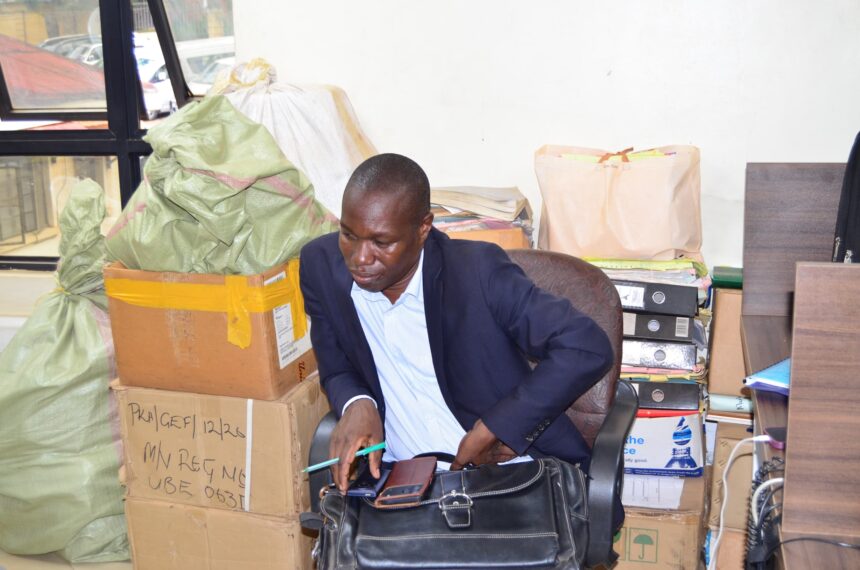
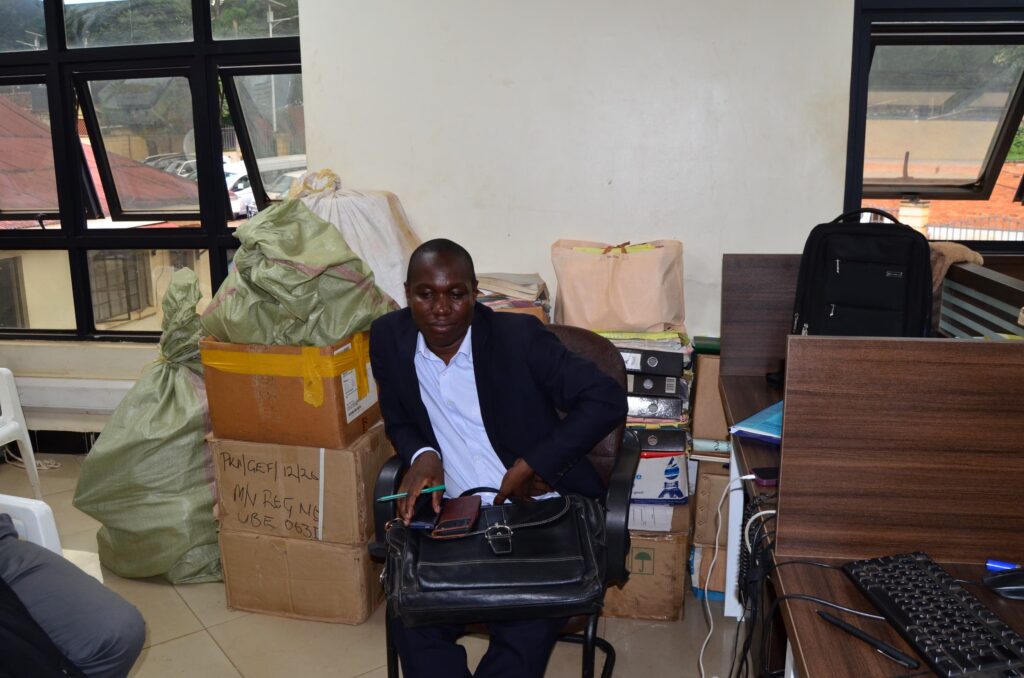
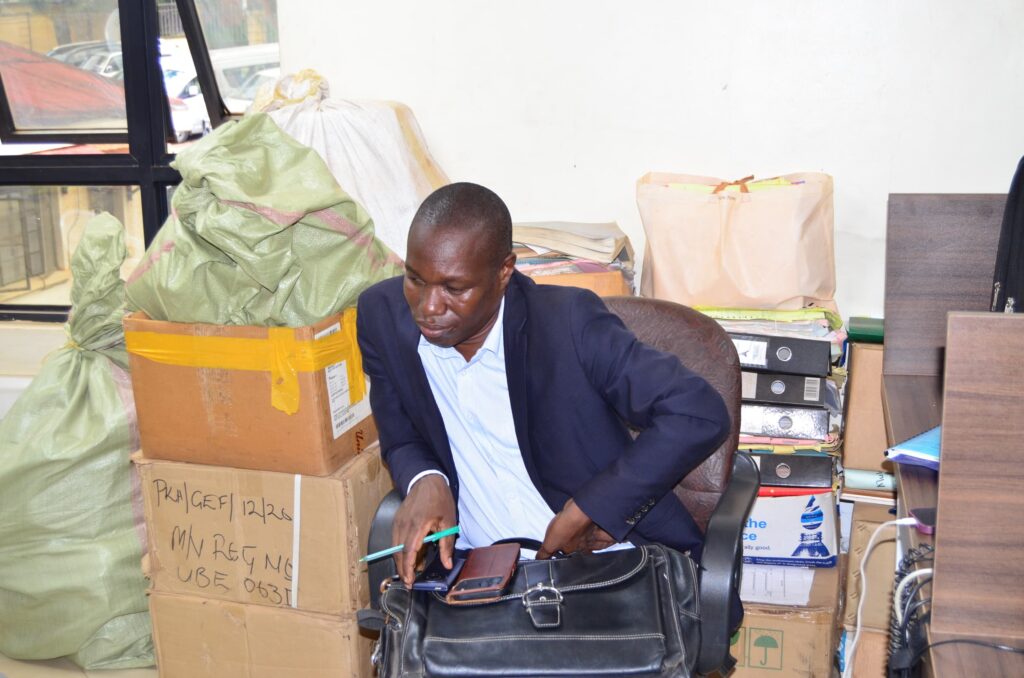
The investigation has also led to the arrest of two KCCA medical logistics officials, identified as Nicholas Kwanja, the Supervisor of Medical Logistics, and Peter Mulondo, a Medical Logistics Officer. Their names reportedly appear on supply vouchers examined by investigators.
The records indicate that Kwanja signed for supplies valued at UGX 2.71 billion, while Mulondo signed for supplies worth UGX 465.4 million as having been received on behalf of the health facilities.
Investigators are also examining concerns that the two officials may have contacted health facility staff to obtain information or interfered with records relevant to the inquiry. The allegations are yet to be fully examined, and the officers are expected to respond during the ongoing Criminal Investigations Directorate (CID) process.
Naamara emphasised that the investigation would follow the law and that the officers would have an opportunity to defend themselves.
He said investigators were continuing to obtain detailed statements as they traced the movement of the missing supplies and sought to establish individual responsibility.
The director also raised concerns about a possible chain involving the alleged diversion of medicines and their subsequent sale through outlets operating under licences. However, these allegations remain subject to investigation and have not been established as proven criminal conduct.
The review is expected to extend to five additional KCCA health facilities, bringing the total number under scrutiny to eight. Authorities say the amount of supplies that cannot be accounted for could change as investigators examine more records and follow up on the distribution of medicines.
The findings are preliminary and do not, by themselves, establish that the supplies were stolen or that any particular individual is criminally responsible. The investigation is ongoing, and any criminal liability will be determined through the relevant legal process.
The inquiry comes amid broader concerns about the management of public medicines and medical supplies, which are essential to the delivery of healthcare in government facilities. Establishing how the discrepancies arose will be critical to determining whether they resulted from record-keeping failures, weaknesses in supply management or criminal activity.